
Clinical Research
Message from Director
On 13 February 2023, Singapore returned to Dorscon (Disease Outbreak Response System Condition) green for Covid-19 pandemic, after three years of heightened alert. Research and innovation (e.g. antigen rapid test (ART) kits, messenger-RNA based vaccines, anti-viral therapy etc.) has played a pivotal role in helping mankind to recover from this global crisis. However, more can be done to take stock of the pandemic, so that we can derive helpful lessons that may inform our fight against other major health-challenges (e.g. metabolic disorders and ageing related ailments), which the Covid-19 pandemic may have momentarily distracted us from their growing impact. Hence, it is time that we refocus upon some of these challenges (e.g. our "war against diabetes", declared since year 2016).
Our era is unparallel in human history. Many of our forefathers would like to imagine a world that we are now living in - in which we have the capabilities (e.g. molecular medicine, multi-OMICS, digital health etc.) to understand human biology and diseases in such molecular details and to creatively design targeted and effective therapeutics. While celebrating these successes, we are also keenly aware of crucial opportunities that will be missed, unless we healthcare providers will fully embrace clinically relevant research as an integral part of our calling and missions. Importantly, we are an indispensable member of the research enterprise.
Our new Group CEO, Professor Joe Sim, has highlighted “deepening research culture in NHG” as one of our key strategic priorities. This is a call-to-action. To succeed, we will need to adopt a “whole of NHG approach”, in close collaboration with our academic partners - Lee Kong Chian School of Medicine and Nanyang Technological University.
Science is not magic. However, we do not have anything better, to respond decisively to any health challenges. Guided by good science, humility and wisdom, we can rise-up to the occasion, just like the Covid-19 pandemic.
We did it before, and we will do it again.
Talent Development and Research Grants
| Name | Department | Areas Of Interest | Talent Grant Awarded |
|---|---|---|---|
| A/Prof Lim Su Chi | Clinical Research Unit | Diabetes Mellitus, General Endocrinology, Insulin Pump Therapy | NMRC Clinician Scientist Award (2021) NMRC Clinician Scientist Award-Senior Investigator (2025) |
| Dr Allen Liu | General Medicine | Acute kidney injury, Diabetic kidney disease, Peritoneal dialysis | NMRC Clinician Innovator Award (2024) |
| Asst Prof Clement Chia | General Surgery | Medtech and Healthcare Innovations in Breast Surgery, Breast cancer in older women, Frailty, Innovations in Patient and Medical education | NMRC Research Training Fellowship (2024) Singapore Biodesign Innovation Fellowship Training Programme (2024) |
| Dr Jeremy Hoe | General Medicine | Diabetes Mellitus, Diabetic Foot Disorders, Lipid disorders, General Endocrinology | NHG Health-LKCMedicine CSPP (2018) NHG Health-LKCMedicine CSPP+ (2022) NMRC Research Training Fellowship (2025) NHG Health-LKCMedicine Clinician Scientist Fellowship (2025) |
| Dr Joshua DeCruz | Orthopaedic Surgery | Orthopaedic Surgery, Trauma Surgery, Spine Surgery | NHG Health-LKCMedicine CiPP (2022) |
| Dr Kong Yuan | General Surgery | Research on lower limb reconstruction for diabetic foot and trauma Innovation in treatment of scars and pigmentations Develop digital healthcare applications and personalized medical devices in Plastic Surgery related fields Integrate AI-driven solutions in healthcare industry | NHG Health-LKCMedicine CiPP (2025) |
| Dr Lin Zhimin | General Surgery | Women's health associated with Endocrine Surgical conditions Genetic, hereditary predispositions in endocrine conditions Post-operative adhesions | NHG Health-LKCMedicine CiPP (2025) |
| Dr Natalie Wee | Geriatric Medicine | Dementia, Community Geriatrics, Gerontechnology | NHG Health-LKCMedicine CSPP (2021) NMRC Research Training Fellowship (2025) NHG Health-LKCMedicine Clinician Scientist Fellowship (2025) |
| Dr Serena Low | Clinical Research Unit | Type 2 Diabetes, Diabetic Kidney Disease, Sarcopenia, Cognitive Impairment | NMRC Research Training Fellowship (2019) NHG Health-LKCMedicine Clinician Scientist Fellowship (2019) NMRC Clinician Scientist Career Scheme (2025) NMRC Transition Award (2025) |
| Dr Tan Hann Yee | Acute and Emergency Care | Diagnostic medicine, Quality improvement | NHG Health-LKCMedicine CSPP (2021) |
| Ms Annuradhaa Ravi | Rehab Services | Neuro rehabilitation, Post-Stroke Fatigue, Innovation and Technology for Neuro rehabilitation | NHG Health-LKCMedicine CSPP+ (2023) |
| Ms Wei Shan | Rehab Services | Neuro rehabilitation, Cognitive rehabilitation, Assistive technology, Transitional care | NHG Health-LKCMedicine CSPP (2023) |
| PI Name | Department | Project Title | Grant Name | Funding Organisation |
|---|---|---|---|---|
| 2025 | ||||
| Dr Kong Yuan | General Surgery | Monitoring surgical scar at home: An AI model for early intervention to prevent keloid formation | NHG Health CMTi Clinician Innovator Preparatory Programme (CiPP) | NHG Health Centre for MedTech & Innovations (CMTi) |
| Dr Clement Chia | General Surgery | Intra-operative Assessment of Breast Conserving Surgery Specimen Margins with Non-Linear Multi Spectral Imaging (NMSI) | Joint Medtech Grant | National Health Innovation Centre (NHIC) |
| Dr Clement Chia | General Surgery | Mesh-Integrated Skin Adhesive for Enhanced Surgical Wound Closure and Cosmetic Outcomes | Joint Medtech Grant | National Health Innovation Centre (NHIC) |
| Ms Lai Mun Wai | Rehab Services | Gamified Simulation-Based Training in Vestibular Rehabilitation for Physiotherapists | IAL-innovPlus Grant | Institute of Adult Learning (IAL) |
| Dr Deborah Ng Chieh Yih | General Surgery | Development of a Novel Endoscopic Device for Enhanced Blood Clot Extraction in Emergency Upper Gastrointestinal Bleeding | NHG Health CMTi Clinician Innovator Preparatory Programme (CiPP) | NHG Health Centre for MedTech & Innovations (CMTi) |
| 2024 | ||||
| Dr Lin Zhimin | General Surgery | PIEL- Concealing Scar prevention cream | NHG Health CMTi Clinician Innovator Preparatory Programme (CiPP) | NHG Health Centre for MedTech & Innovations (CMTi) |
| 2023 | ||||
| Ms Gladys Wong Hooi Chuan | Nutrition & Dietetics | 3D Food Printing Of Fresh Vegetables Using Food Hydrocolloids For Dysphagic Patients (2) | National Health Innovation Centre Innovation To Protect (I2P) Grant | National Health Innovation Centre (NHIC) |
| Dr Bin Wern Hsien | Anaesthesia | A Screening Device For The Early Detection Of Diabetic Peripheral Neuropathy (1) | National Health Innovation Centre Innovation To Protect (I2P) Grant | National Health Innovation Centre (NHIC) |
| A/Prof Surendra Kumar Mantoo | General Surgery | Surgical device, method of manufacturing, and method of using the surgical device | National Health Innovation Centre Innovation To Protect (I2P) Grant | National Health Innovation Centre (NHIC) |
| Asst Prof Clement Chia Luck Khng | General Surgery | Enhancing The Informed Consent Process For Complex Surgical Procedures | IAL-innovPlus Grant | Institute of Adult Learning (IAL) |
| PI Name | Department | Project Title | Award |
|---|---|---|---|
| 2025 | |||
| Dr Serena Low Kiat Mun | Clinical Research Unit | A study on the role of sarcopenic obesity on kidney ageing in patients with type 2 diabetes | STAR I |
| Dr Brian Chan Yuan-Lang | General Surgery | Outcomes of the OsteoplugTM polycaprolactone burrhole cover in patients with chronic subdural haematomas | STAR I |
| Ms Tan Si Hui | Renal Centre | Prediction, diagnosis and prognostication of catheter-related infection in peritoneal dialysis using image-based deep learning approach from mobile phone and infra-red camera | STAR I |
| Dr Kumari Neelam | Ophthalmology and Visual Sciences | A Prospective study of high myopic subjects with and without myopic macular degeneration | STAR I |
| Dr Angela Moh | Clinical Research Unit | Gaining insights into the contributing factors underlying the heterogeneity in glycemic control between two distinct type 2 diabetes subtypes with obesity | STAR II |
| Dr Liu Jian-Jun | Clinical Research Unit | Urine sphingolipids and the risk of progression to end stage kidney disease in patients with type 2 diabetes | STAR II |
| Dr Claude Renaud | General Medicine | Outcomes of a collaborative Pharmacist and Technology-driven Interventional care Model in an Ambulatory pre-dialysis chronic kidney disease Landscape (OPTIMAL study) | STAR II |
| Dr Sharon Pek Li Ting | Clinical Research Unit | Improving Familial Hypercholesterolemia Diagnosis with Long Read Sequencing, transcriptomics and functional assays | STAR II |
| 2024 | |||
| Dr Allen Liu Yan Lun | General Medicine | Sub-phenotyping of patients with diabetic kidney disease: insights from lipidomics and treatment response to SGLT2i and GLP-1A | STAR I |
| Ms Sylvia | Clinical Research Unit | Prediction of adverse cardio-renal events by methylglyoxal glycated albumin in patients with type 2 diabetes | STAR I |
| Dr Serena Low Kiat Mun | Clinical Research Unit | Understanding pathophysiology of frailty in older patients with type 2 diabetes – through the lens of cellular senescence and insulin resistance | STAR II |
| Ms Clara Tan | Clinical Research Unit | Deep phenotyping and risk stratification of young-onset type 2 diabetes for precision medicine and intervention – a pilot study for PREciSion DiabEtes aNd Metabolic HealTh (PRESENT) | STAR II |
| Dr Angela Moh Mei Chung | Clinical Research Unit | Factors associated with very low-calorie diet-induced diabetes remission in obese multi-ethnic Asians with moderate duration (7-10 years) of type 2 diabetes | STAR II |
| Dr Sharon Pek Li Ting | Clinical Research Unit | Vascular Intermediate Phenotype (VIP) and ATP Binding Cassette transporters in Familial Hypercholesterolemia (FHCARE-VIP study) | STAR II |
| Dr Resham Lal Gurung | Clinical Research Unit | Plasma metabolomics and proteomics profiling for the discovery of novel biomarkers for diet-induced weight loss and metabolic health benefits | STAR II |
| 2023 | |||
| Dr Angela Moh Mei Chung | Clinical Research Unit | Evaluation of short-term calorie restriction for type 2 diabetes remission among non-obese individuals – A pilot study | STAR I |
| Dr Resham Lal Gurung | Clinical Research Unit | Metabolic signature of healthy lifestyle index and its relation with risk of kidney disease in patients with type 2 diabetes | STAR I |
| Dr Kabilan Chokkappan | Diagnostic Radiology | Embedding AI in detecting and classifying artifacts in CT for initial check of quality and adequacy of scans | STAR I |
| Dr Resham Lal Gurung | Clinical Research Unit | Diet-induced weight loss impact on biological ageing and benefits in patients with early T2D - A pilot study | STAR I |
| Dr Liu Jianjun | Clinical Research Unit | Risk Stratification by Phenotype and Endotype in Patients with Type 2 Diabetes: The Pathway Towards Precision Diabetic Medicine | STAR II |
| Dr Serena Low Kiat Mun | Clinical Research Unit | Study on the longitudinal association between body composition and cognitive decline in type 2 diabetes with exploration of the underlying inflammatory pathway | STAR II |
| Dr Angela Moh Mei Chung | Clinical Research Unit | Identification of blood-based immune cellular and proteomic signatures associated with diabetes remission after metabolic surgery | STAR II |
| Dr Grace Tan Feng Ling | General Medicine | Artificial intelligence guided nurse and dietician-led fluid assessment and management in peritoneal dialysis patients | STAR II |
| PI Name | Department | Year of Award |
|---|---|---|
| – | – | FY2025 |
| Dr Kumari Neelam | Ophthalmology and Visual Sciences | FY2024 |
| Dr Desmond Mao Renhao | Acute & Emergency Care | FY2023 |
| PI Name | Department | Project Title |
|---|---|---|
| 2025 | ||
| Dr Daniel Lee Jin Keat | General Surgery | Easy to use, but is it useful? Using Heart Rate Variability to Assess Response to prehabilitation in patients undergoing elective colorectal surgery |
| Mr Kee Kai Xiang | Clinical Research Unit | Prevalence and Metabolic Risk Factors of Sarcopenia in Young-onset Diabetes |
| Mr Chen Hoe Meng | Clinical Research Unit | Evaluation of Thrombospondin 4 as a cardiovascular risk marker in patients with Familial Hypercholesterolemia |
| 2024 | ||
| Ms Tan Si Hui Evangeline | Ward B96 | Effectiveness of Continuous Glucose Monitoring in the Detection of Hypoglycemia Among Renal Dialysis Patients with Diabetes Mellitus: A Pilot Study |
| Ms Tan Si Hua Clara | Clinical Research Unit | Adoptability of clinical variable-based subclustering of type 2 diabetes in the clinics – validation in the Diabetic Kidney Disease Onset and Progression RISk Factors (DORIS) cohort: a pilot study for PREciSion DiabEtes aNd Metabolic HealTh (PRESENT) |
| Dr Mathew David | Anaesthesia | Plethysmography Variability Index (PVI) versus Pulse Pressure Variation (PPV) as a measure of fluid responsiveness as measured by end-expiratory occlusion test in patients undergoing major surgery |
| Mr Kee Kai Xiang | Clinical Research Unit | Reclassification and Long-term Disease Progression of Novel Subgroups of Type 2 Diabetes in the SMART2D Cohort – A 5-year Follow-up Study |
| Ms Bhuvaneswari Pandian | Clinical Research Unit | Comparisons between liver steatosis/fibrosis scoring systems and quantitative ultrasound imaging to establish optimal cut-off values for fatty liver disease |
| Dr Tan Hann Yee | Acute and Emergency | Factors influencing outcomes in patients presenting with Diabetic Ketoacidosis (DKA) in an urban Emergency Department |
| Dr Desmond Mao Renhao | Acute and Emergency | Emergency Services Providers' Perceptions of Challenges with Alcohol-Related Frequent Users of Acute and Emergency Care Department at Khoo Teck Puat Hospital: A Qualitative Study |
| Ms Kwan Tsz Kiu | Clinical Research Unit | The association of diet, SCFAs and CVD risk in Singapore's T2D population |
| 2023 | ||
| Dr Francesca Th'ng Chun Sau | Acute and Emergency Care | Changes in Mental Health Among Frontline Emergency Department Healthcare Workers Through the Three Waves of the COVID-19 Pandemic |
| Mr Janus Lee Wei Lun | Clinical Research Unit | Study on the association of plasma N-formylmethionine with mitochondrial haplogroups and its relationship with diabetic kidney disease |
| Ms Bhuvaneswari Pandian | Clinical Research Unit | Evaluation of circulating Thrombospondin-2 protein as a biomarker for non-alcoholic fatty liver disease in type 2 diabetes |
| Ms Giang Thuy Anh | Rehabilitation Services | Evaluating Implementation Outcomes of Mobile Horticultural Therapy Programme in Acute Care Hospital |
| Dr Kumari Neelam | Ophthalmology & Visual Sciences | Novel Biomarkers for resolution of inflammation in patients with Diabetic Macular Edema |
| Dr Benjamin Liang Zhiren | Orthopaedic Surgery | Prophylactic screws in the femoral neck – how much protection do they confer? |
| Dr Benjamin Liang Zhiren | Orthopaedic Surgery | Screw direction in compression plating – does it affect strain at the far cortex? |
| PI Name | PI Department | Project Title |
|---|---|---|
| 2025 | ||
| Dr Allen Liu Yan Lun | Renal Medicine | Development of 3D-Printed AVF Models for Simulation-Based Ultrasound Cannulation Training |
| Dr Vaikunthan Rajaratnam | Orthopaedic Surgery | Personalised Augmented Training Hub (P.A.T.H.) – An AR & AI driven Learning Companion for Surgical Trainees |
| 2024 | ||
| Dr Usama Farghaly Abdelhamid Omar | Orthopaedic Surgery | Developing AI Chatbot to diagnose Carpel Tunnel Syndrome |
Research Highlights
The Diabetic Nephropathy (DN) cohort at Khoo Teck Puat Hospital (KTPH) (Alexandra Health Pte Ltd) has been initiated since 2002. It includes ~ 5,499 multi-ethnic patients with type 2 diabetes (age 58.3 ± 11.7 years old, duration of diabetes 12.0 ± 8.7 years, Chinese 67.5%, Malays 19.1%, Asian Indians 13.3% and others 0.2%). Blood and urine samples collected at baseline visit have been cryo-preserved. In collaboration with local and overseas institutions, we aim to study biomarkers (both genetic and non-genetic) associated with the development and progression of DN in multi-ethnic Asians with diabetes.
The cohort is enriched by subjects with renal impairment in accordance with the aim of the study (MDRD eGFR 67.8 ± 37.7 ml/min/1.73m2, CKD stage 1- 28.1%, stage 2-31.3%, stage 3-20.8%, stage 4- 9.0% and stage 5-10.7%). Approximately 30.0% of the subjects are classified as having microalbuminuria (urinary albumin-to-creatinine ratio, .i.e. ACR 30 to 299 mg/g) and 27.7% of them are classified as having macroalbuminuria (ACR >= 300 mg/g). The longitudinal trajectory of eGFR and ACR has also been recorded in a large proportion of the subjects.
The median follow-up duration of this cohort is 5.7 years. Incident diabetes related outcomes can be ascertained by linkage of cohort database with Singapore National Disease registries (Renal Registry, Myocardial Infarct Registry, Death/birth Registry, Stroke Registry and Cancer Registry).
Publications:
Genetic markers for urine haptoglobin is associated with decline in renal function in type 2 diabetes in East Asians. Gurung RL, Dorajoo R, Liu S, M Y, Liu JJ, Wang L, Guo L, Yu X, Liu JJ, Lim SC. Sci Rep. 2018 Mar 23;8(1):5109. doi: 10.1038/s41598-018-23407-1
Ong YH, Koh WCA, Ng ML, Tam ZY, Lim SC, Boehm BO; Adult-Onset Autoimmune Diabetes Mellitus Consortium (ADAMS). Glutamic acid decarboxylase and islet antigen 2 antibody profiles in people with adult-onset diabetes mellitus: a comparison between mixed ethnic populations in Singapore and Germany. Diabet Med. 2017 Aug;34(8):1145-1153. doi: 10.1111/dme.13358.
Liu JJ, Ghosh S, Kovalik JP, Ching J, Choi HW, Tavintharan S, Ong CN, Sum CF, Summers SA, Tai ES, Lim SC. Profiling of Plasma Metabolites Suggests Altered Mitochondrial Fuel Usage and Remodeling of Sphingolipid Metabolism in Individuals With Type 2 Diabetes and Kidney Disease. Kidney International Reports. 2017 May 31;2(3):470-80.
Low S, Lim SC, Yeoh LY, Liu YL, Liu JJ, Fun S, Su C, Zhang X, Subramaniam T, SUM CF. The effect of long term glycemic variability on estimated glomerular filtration rate decline among patients with type 2 diabetes mellitus–insights from the Diabetic Nephropathy Cohort in Singapore. Journal of Diabetes. 2016 Dec 1.
Low S, Lim SC, Zhang X, Zhou S, Yeoh LY, Liu YL, Tavintharan S, Sum CF. Development and validation of a predictive model for Chronic Kidney Disease progression in Type 2 Diabetes Mellitus based on a 13-year study in Singapore. Diabetes Research & Clinical Practice 2016; 123:49-54
Liu JJ*, Liu S*, Wong MDS, Gurung RL and Lim SC. Urinary haptoglobin predicts rapid renal function decline in Asians with type 2 diabetes and early kidney disease. J Clin Endo Metab 2016; 101(10):3794-3802 (* equal contributors)
SC Lim*, R Dorajoo*, X Zhang, L Wang, SF Ang, C Tan, Yeoh LY, XW Ng, Na Li, Chang Su, S Liu, M Wong, S Low, AY Ou, Jeevith B, S Fun, SY Zhou, Simon BM Lee, WE Tang, Subramaniam T, CF Sum, JJ Liu. Genetic variants in the receptor for advanced glycation end products (RAGE) gene were associated with circulating soluble RAGE level (sRAGE), but not with renal function among Asians with type 2 diabetes: a genome-wide association study. Neph Dial Transplant 2016; Jul 21. pii: gfw263. [Epub ahead of print]
Liu JJ, Lim SC, Yeoh LY, Su C, Tai BC, Low S, Fun S, Tavintharan S, Chia KS, Tai ES and Sum CF. Ethnic disparities in risk of cardiovascular disease, end stage renal disease and all-cause mortality- a prospective study among South East Asians with type 2 diabetes. Diabetic Medicine 2016; 33(3):332-9
Low S, Lim SC, Yeoh LY, Su C, Zhang X, Subramaniam T, Sum CF. Long-term diabetes outcomes in multi-ethnic Asians living in Singapore. Diabetes Res Clin Pract 2016; 111: 83-92.
Low S, Tai ES, Yeoh LY, Liu YL, Liu JJ, Tan KH, Fun S, Su C, Zhang X, Subramaniam T, Sum CF, Lim SC. Onset and progression of kidney disease in type 2 diabetes among multi-ethnic Asian population. J Diabetes Complications 2016; 30(7): 1248-54.
Liu JJ, Liu S, Morgenthaler NG, Wong MDS, Tavintharan S, Sum CF, Lim SC. Association of soluble α-klotho with endothelin-1 in type 2 Diabetes. Atherosclerosis 2014;233(2):415-418
Lim SC*, Liu JJ*, Tavintharan S and Sum CF. Elevated circulating alpha-klotho by angiotensin II receptor blocker losartan is associated with reduction of albuminuria in type 2 diabetic patients. Journal of renin-angiotensin-aldosterone system. 2014;15(4):487-90
Liu JJ, Liu S, Wong MDS, Tan CS, Tavintharan S, Sum CF and Lim SC. Relationship between circulating irisin, renal function and body composition in type 2 diabetes. J Diabetes Complications 2013;28(2):208-213
Liu JJ, Wong MDS, Toy WC, Tan CSH, Liu S, Ng XW, Tavintharan S, Sum CF and Lim SC. Lower circulating irisin is associated with type 2 diabetes mellitus. J Diabetes Complications (with editorial comments) 2013;27(4):365-369
JJ Liu, WC Toy, Melvin DS Wong, Clara SH Tan, Subramaniam T; MS Wong, CF Sum and SC Lim. Elevated undercarboxylated and reduced carboxylated osteocalcin are associated with metabolic syndrome in middle age Asian females. Exp Clin Endocrinol Diabetes. 2013;121:329-33. doi: 10.1055/s-0033-1334883.
Lim SC, Phua E J, Sharon F Nne, Amizah B Asrap, Wong DS Melvin, Tan SH Clara, Liu J Jun, Toy W Ching, Ng X Wei, Lau PX Dawn, Pek LT Sharon, Woon Kaing, Lin LF Bernice, S Tavintharan, Sum C Fang. Modifiable risk factors associated with arterial stiffness in diabetic nephropathy in an Asian Population Cohort. Journal of ASEAN Federal Endocrine Societies (JAFES) 2011; 26:163-167
SC Lim, Dollyn Quek L, WC Toy, Melvin Wong DS, Lee Ying Yeoh, C Tan MF, D Lau, C Tan, T Subramaniam, C F Sum. Adipocytokine zinc alpha-2 glycoprotein (ZAG) as novel urinary biomarker for normo-albuminuric diabetic nephropathy. Diabetic Medicine 2012;29:1-5
Toy W C, Liu JJ, Anton Cheng KS, C Tan, D Lau, M Wong, T Subramaniam, Sum C F, Lim SC. Adiponectin Gene Polymorphisms and Type 2 Diabetes among Singaporean Chinese Adults. J Diabetes Metab 2011, 2:8
S.C. Lim, J. J. Liu, H. Q. Low, N. G. Morgenthaler, Y. Li, L. Y. Yeoh, Y. S. Wu, S.K. Goh, C. Y. Chionh, S. H. Tan, Y. C. Kon, P. C. Soon, Y. M. Bee, T. Subramaniam, C. F. Sum, K. S. Chia. Microarray analysis of multiple candidate genes and associated plasma proteins for nephropathy secondary to type 2 diabetes among Chinese. Diabetologia 2009 52:1343-51
Lim, Su-Chi; Morgenthaler, Nils; Subramaniam, Tavintharan; Wu, Yew-Seng; Goh, Siew-Kheng; Sum, Chee-Fang. The relationship between adrenomedullin, metabolic factors and vascular function in individuals with type 2 diabetes mellitus. Diabetes Care 2007;30:1513-1519
SC Lim, H H Tan, SK Goh, T Subramaniam, CF Sum, I K Tan, B L Lee, C N Ong. Oxidative Burden in Pre-diabetic and Diabetic Individuals: Evidence from Plasma Coenzyme Q10. Diabetic Med 2006 23: 1344-1349
SC Lim, T Goh, YR Lai, WW Tee, Angela Koh, XH Xu, YS Wu, Eric Yap, T Subramaniam, C F Sum. Relationship between common functional polymorphisms of the p22phox gene (-930A>G & +242 C>T) and nephropathy due to type 2 diabetes among Chinese. Diabetic Medicine 2006 23:1037-1041
DORIS (Diabetic Kidney Disease – Onset and Progression Risk Factors Cohort)
Introduction
In November 2017, we set up a new cohort to better understand the natural history of diabetic kidney disease (DKD) in multi-ethnic Singaporeans with type 2 diabetes (T2DM). We aim (1) to collect and archive DNA, plasma blood and urine samples for study of novel risk factors, biomarkers, and pathophysiological pathways associated with DKD development and progression in the future; (2) to understand the scope of the problem of poor diabetes self-care, poor medication adherence and poor appointment keeping in patients with T2DM; and (3) to examine the relationship between poor diabetes self-care, poor medication adherence and poor appointment keeping, and risk of chronic kidney disease (CKD) outcomes in T2DM. We aim to recruit 1,920 subjects into this study.
Hypothesis
Progression of DKD in individuals with T2DM is determined by a network of risk factors interweaving dynamically and temporally on the background of hyperglycemia. Management of DKD should be guided by individualized risk profiles and underlying pathophysiology.
Poor self-care behaviour, poor medication adherence and poor appointment keeping are independently associated with CKD progression.
Study Procedures
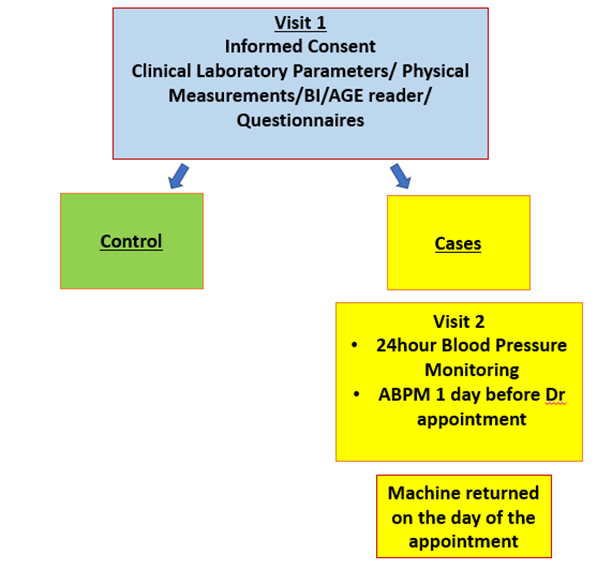
In this study, we are collecting demographic and anthropometric data, smoking history, social economic status, history of cardiovascular disease, and medication use. We also collect blood and urine for the measurement of a panel of markers that are relevant to DKD. We measure body composition, assess dietary frequency and physical activity, and for those who are classified as cases (i.e. albumin-to-creatitine >300mg/g and/or CKD-epi eGFR <60ml/min/1.73m2), we invite them for 24-hr ambulatory blood pressure monitoring. An overview is provided as follows:
Progress
As of May 2023, we have recruited 1,600 participants (917 male, 683 female). Of the 1600 participants, we have obtained consents from 21 of them but have yet to perform any study procedures with them. Furthermore, there are 19 participants who have withdrawn from the study. These 40 participants are considered as those who were enrolled but not yet completed the study. In summary, a total of 1560 participants have completed the study and we anticipate that we will be able to achieve our target recruitment of of 1,920 by March 2024.
Output (purely from DORIS)
We submitted an abstract to Singapore Health & Biomedical Congress (SHBC) in 2019, which was shortlisted for a poster presentation. The subsequent poster presentation won SHBC Best Poster Award (Allied Health) (Silver). The poster and award can be found in the Appendix 1 (PDF, 692KB).
Using the data of participants recruited from November 2017 to December 2020, we demonstrated that more frequent self-monitoring of blood glucose (SMBG), as an aspect of self-care, is associated with lower odds of chronic kidney disease (CKD) (Ann Acad Med Singap 2022;52:52-4) Appendix 2 (PDF, 146KB).
In a study based on the cohort data and follow-up data from the participants' electronic medical records, we showed that elevated neutrophil/lymphocyte ratio (NLR) is associated with increased prevalence of CKD or albuminuria. Additionally, baseline NLR independently predicted progressive kidney function decline and, to a lesser extent, albuminuria progression. This work was published in Diabetes Research and Clinical Practice in March 2023 (https://doi.org/10.1016/j.diabres.2023.110634).
What is Familial Hypercholesterolemia (FH)?
Aims to raise awareness of this genetic condition that puts one at risk for early heart disease, its diagnosis and treatment options
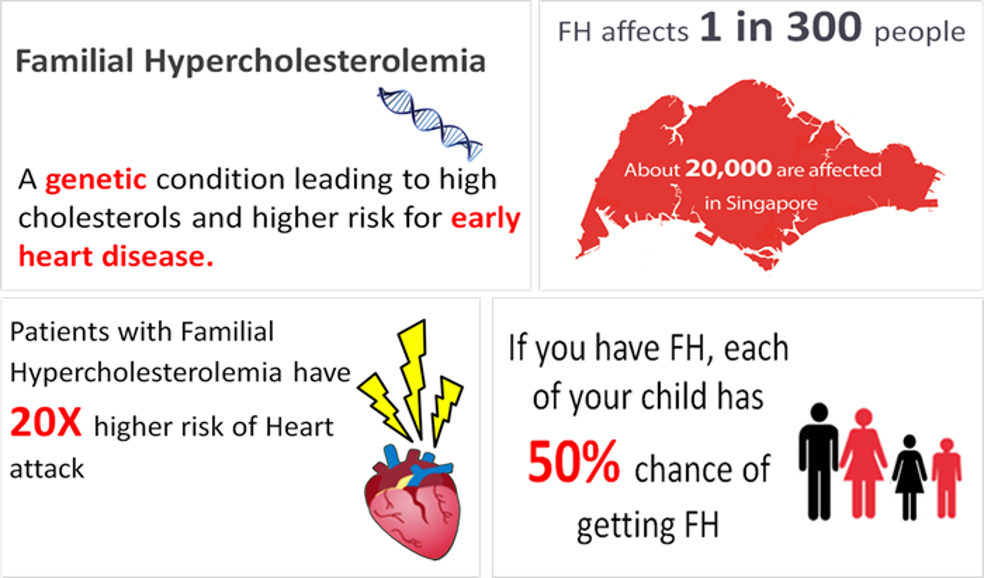
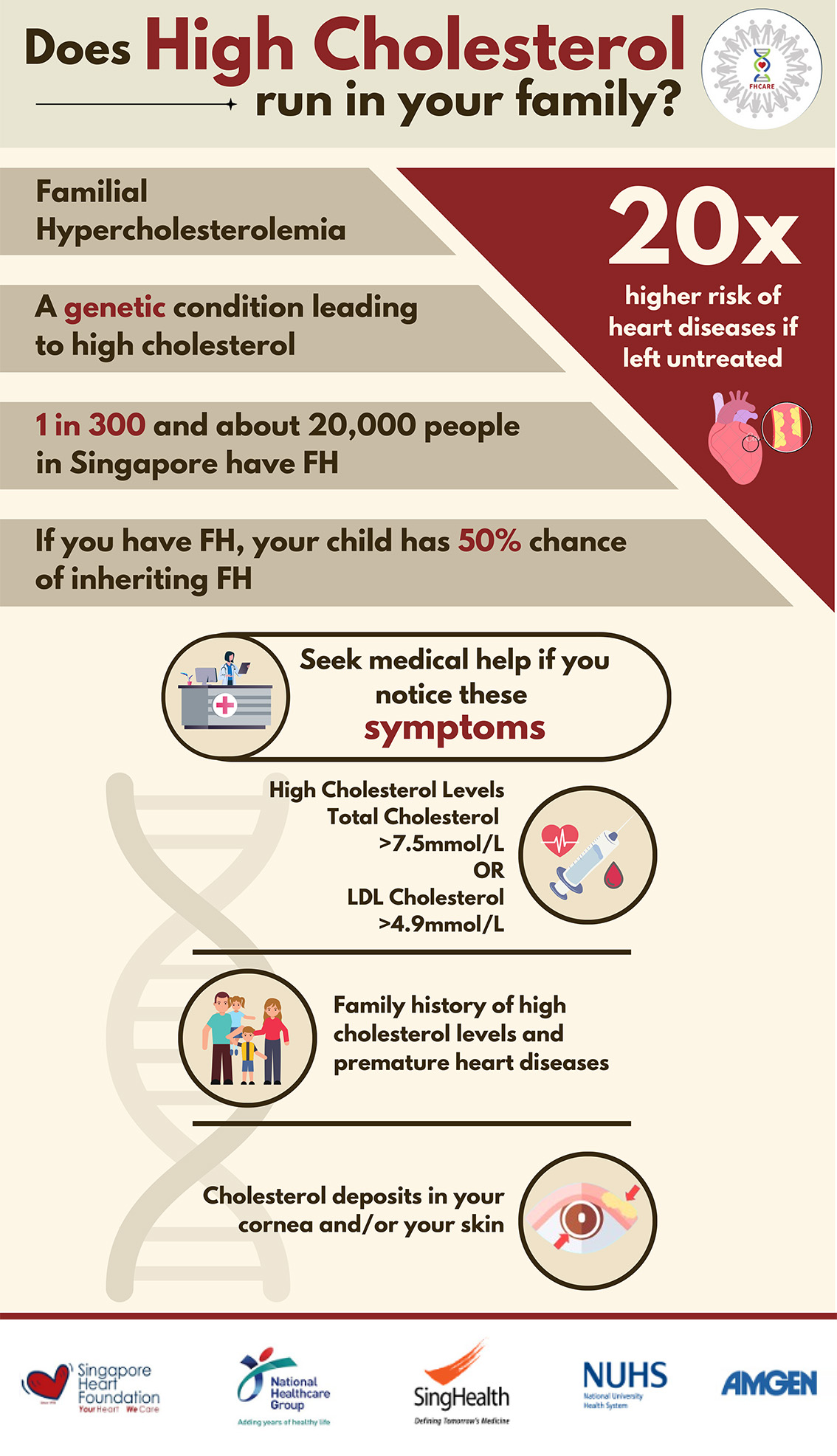
Based on global statistics, Familial Hypercholesterolemia (FH) affects approximately 20,000 patients in Singapore but more than 90% are unaware of this condition and remain undiagnosed! Early diagnosis can allow affected individuals and their family members to start treatment early and ultimately reduce the risk of getting early heart attack.
FH leads to early heart disease, the #1 killer in the world.
Men with FH have 50% risk of having heart disease by age of 50.
Women with FH have 30% risk of having heart disease by age of 60.
Diagnosis & Treatment
You may have FH if you have any of the following symptoms/signs
High blood cholesterol
Total Cholesterol > 7.5mmol/l or 290mg/dl
LDL Cholesterol > 4.9mmol/l or 189mg/dlFamily history of
High cholesterol
or Early heart attack
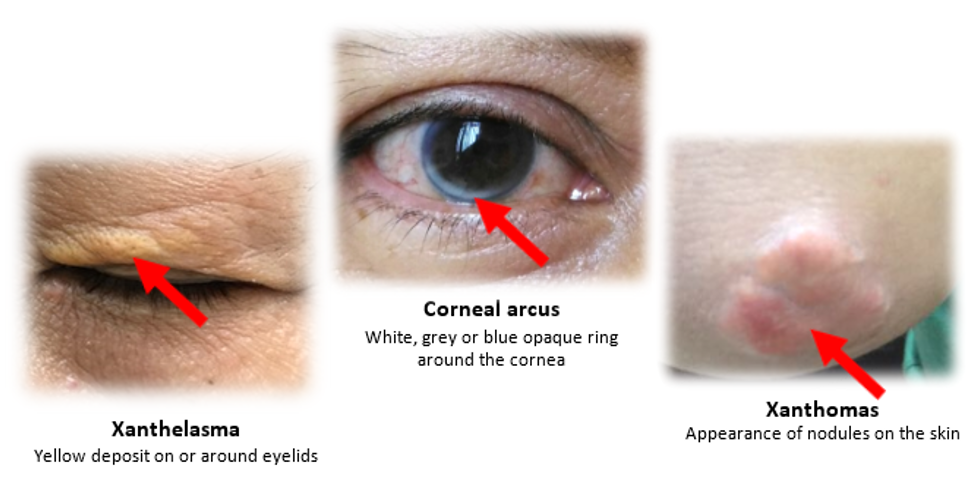
or Cholesterol deposits around eyes or under skin
Mutation test (clinical research)
Where can I check my cholesterol levels?
You can get your cholesterol levels checked at any public or private clinic. If you suspect you may have one of the above conditions, discuss with your doctor.
Family screening & early treatment
If you have high cholesterol and test positive for mutation, higher dosage of medication may be required. Lifestyle changes such as healthy diet, exercise and medication can help to reduce the risk of heart attack. Early diagnosis and treatment are available. Take action now and seek medical advice.
.png?sc_lang=en)
If you do a mutation test and discover the mutations, your doctor will share the findings with you and advise your immediate family members to come for testing. Patients with FH mutation have a 50% chance of passing it to their children. Early detection will allow you and your affected family members to start medication early and reduce the risk of premature heart attack.
Awareness Activities
In collaboration with Singapore Heart Foundation, the FHCARE team has set up a yearly booth on National Heart Week / World Heart Day (virtually and physicially) to help raise FH awareness to the public. This event is celebrated annually by Singapore Heart Foundation (SHF) provides a platform to motivate fellow Singaporeans to lead a positive and active lifestyle.
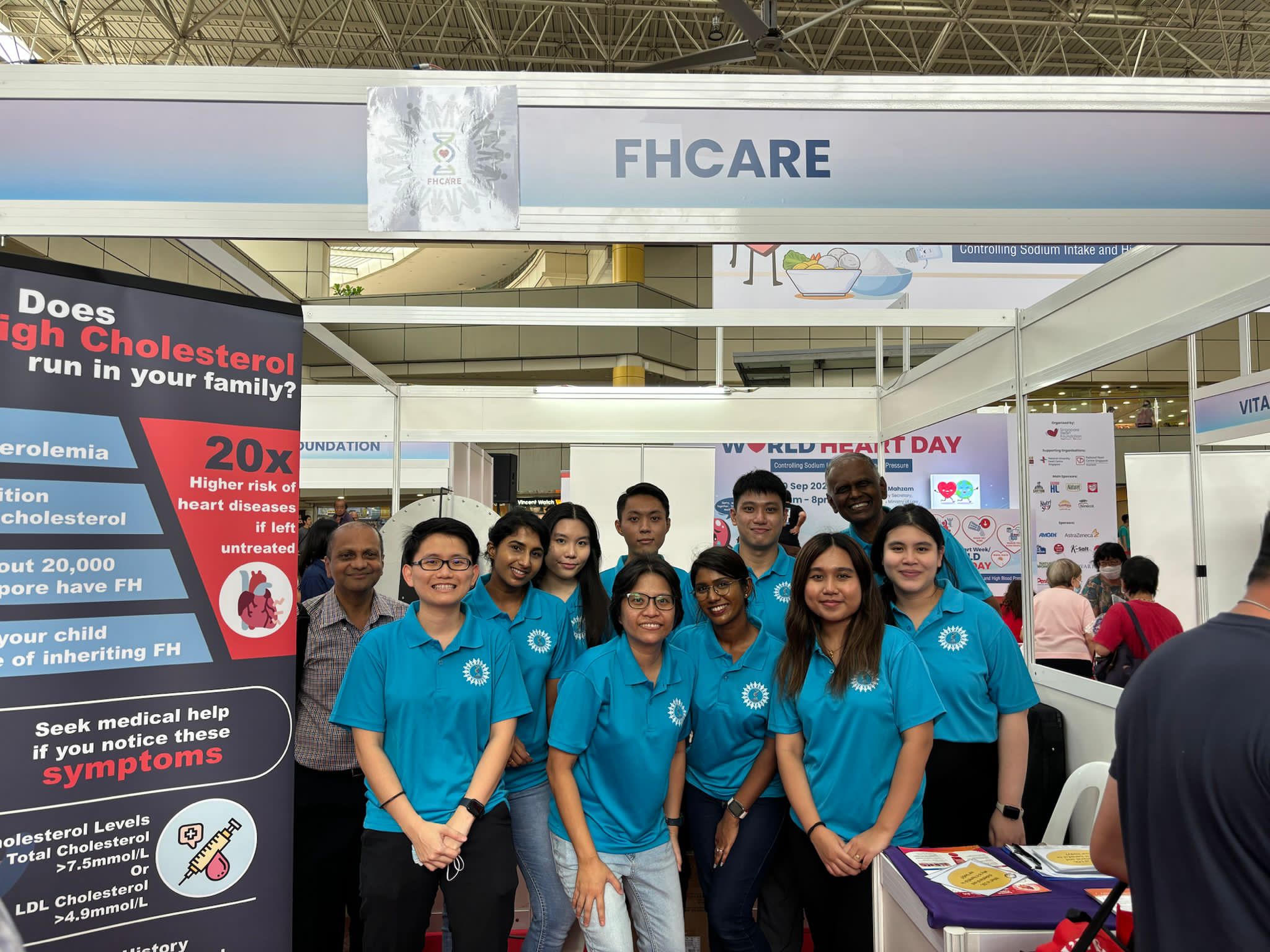 | 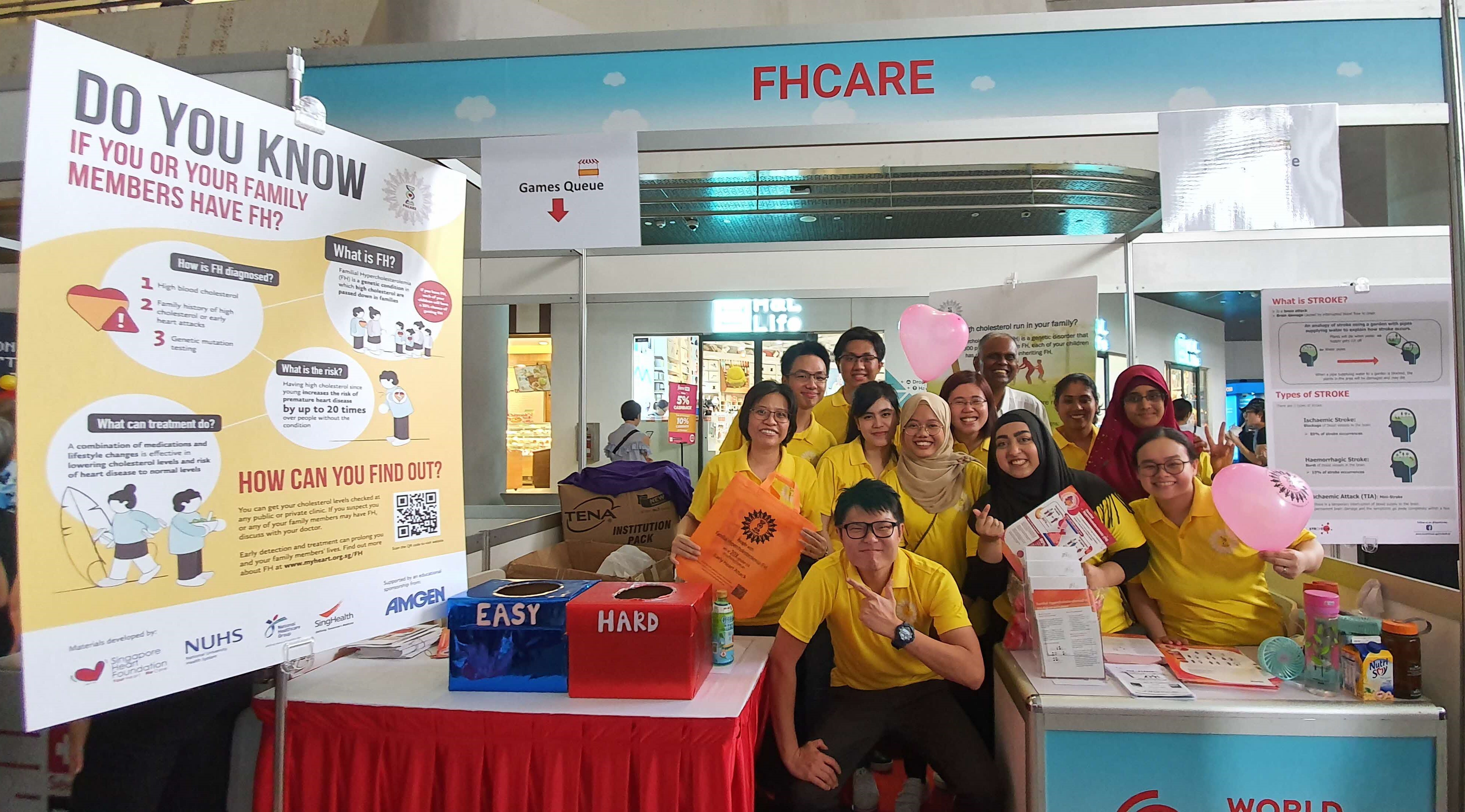 |
The FHCARE team participates in various sharing sessions such as at FH Symposium, Singapore Prevention and Cardiac Rehabilitation Symposium, FH Connect: A meaningful Gathering for the FH Community as well as regular education symposiums with Healthcare Professionals. The team also submits yearly abstracts to Singapore Health and Biomedical Congress and EAS Annual Congress.
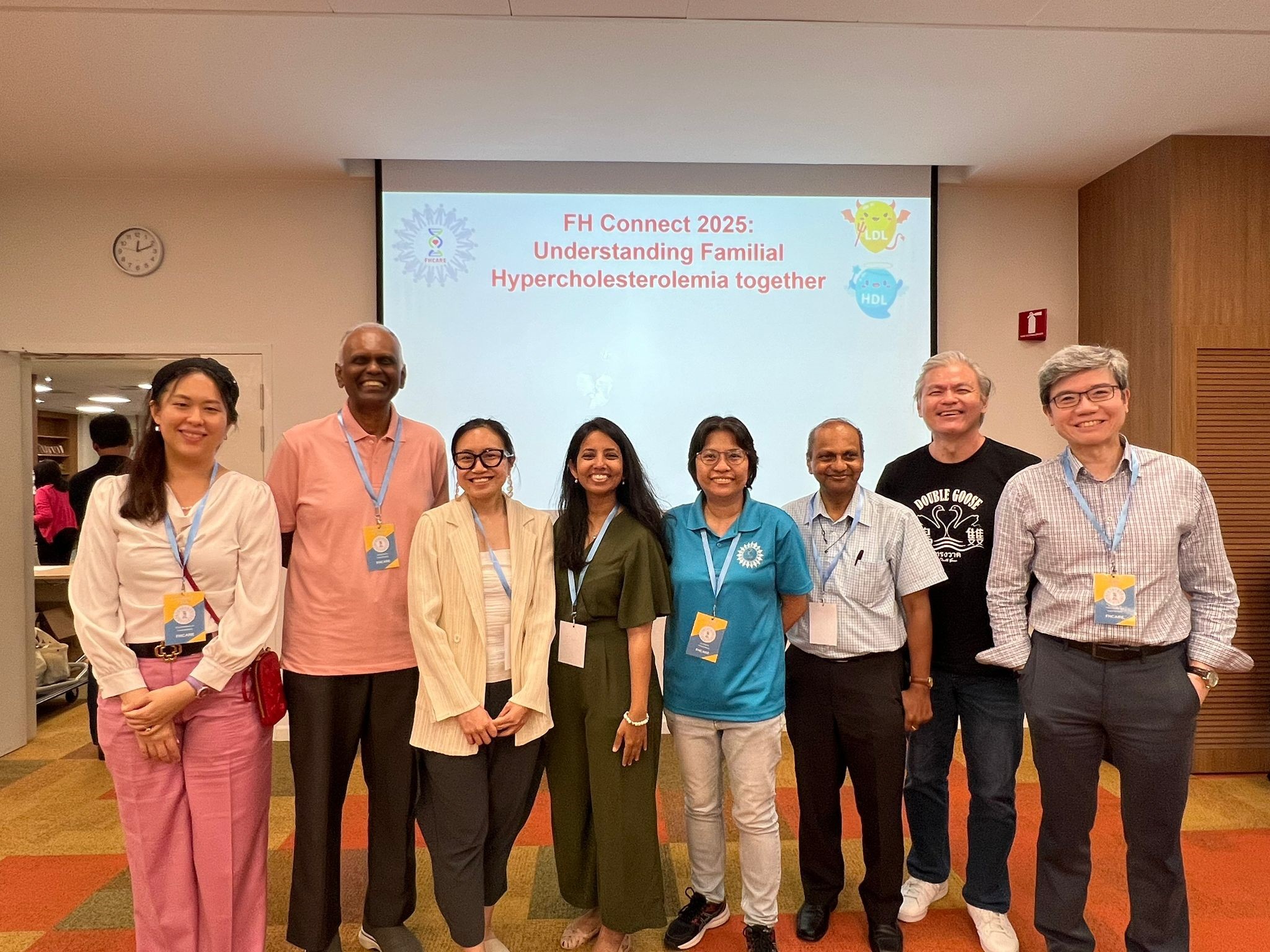 | 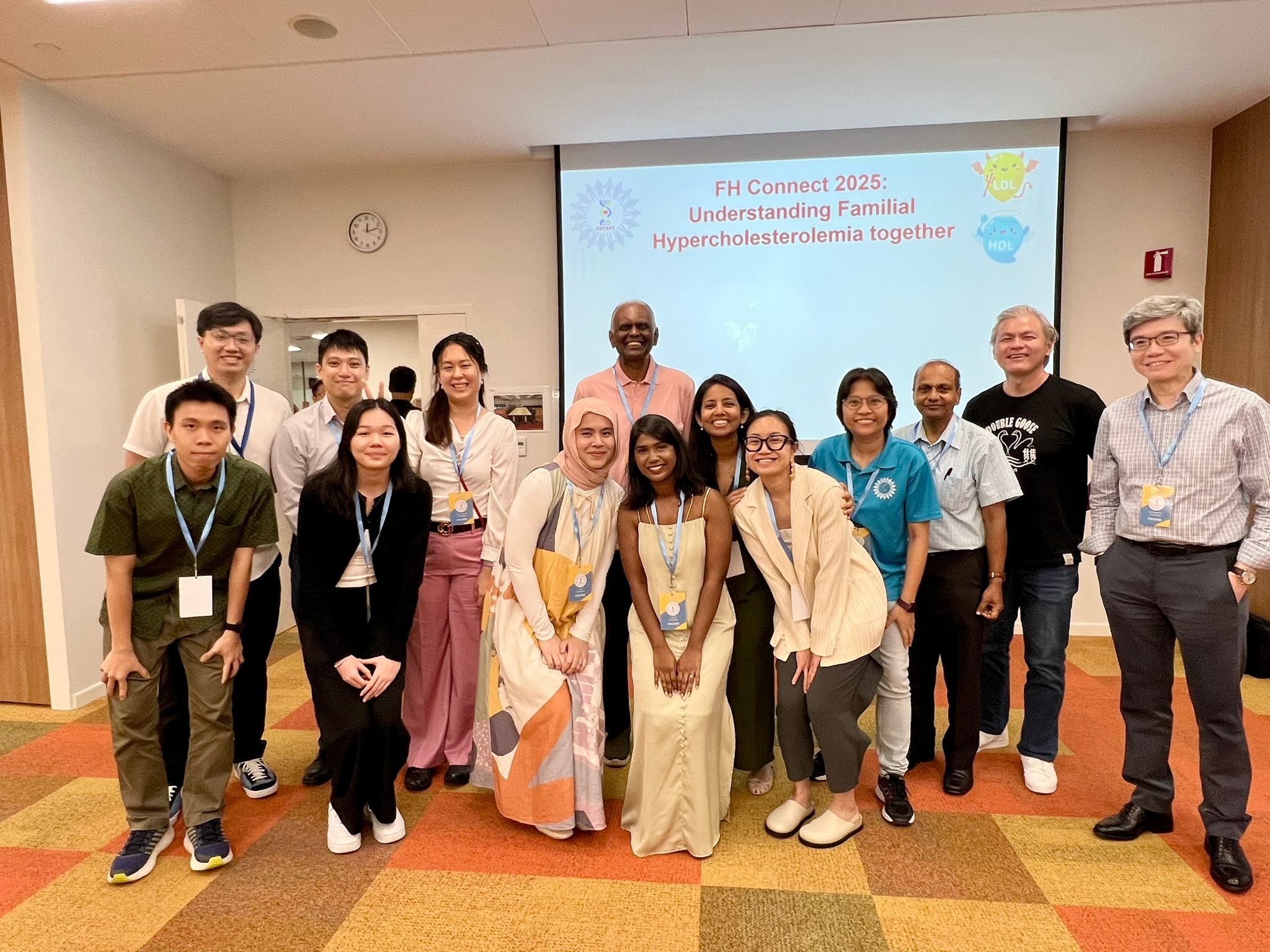 |
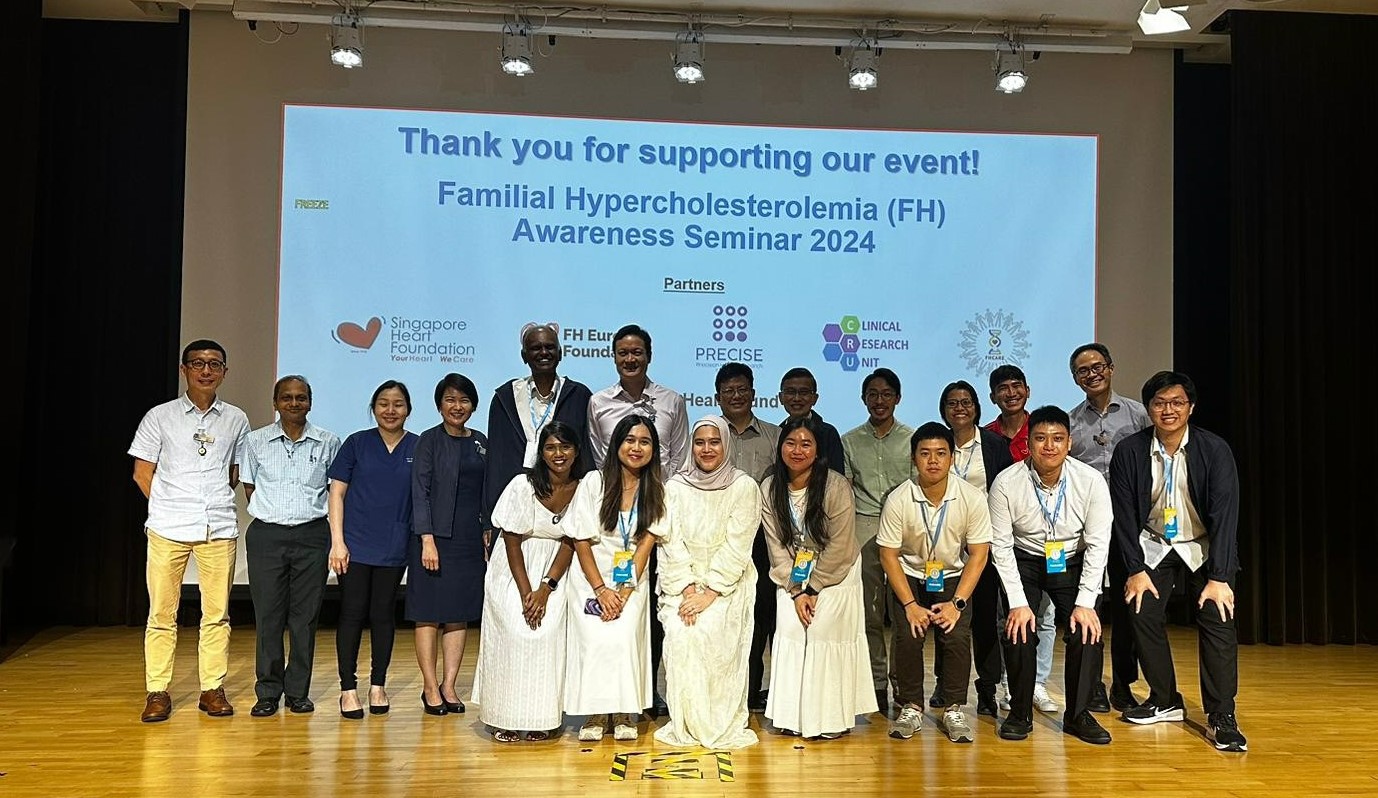 |
In an effort to raise awareness and encourage screening of family members, our team partnered with fellow study collaborators from various public hospitals to come up with a study newsletter to share with patients. Additionally, FHCARE has been working closely with FH Europe for joint knowledge sharing, learning more about precision medicine and its implications for Familial Hyperlipidemias as well as various strategies for increasing awareness and advocacy efforts.
Awards, Grants & Publications
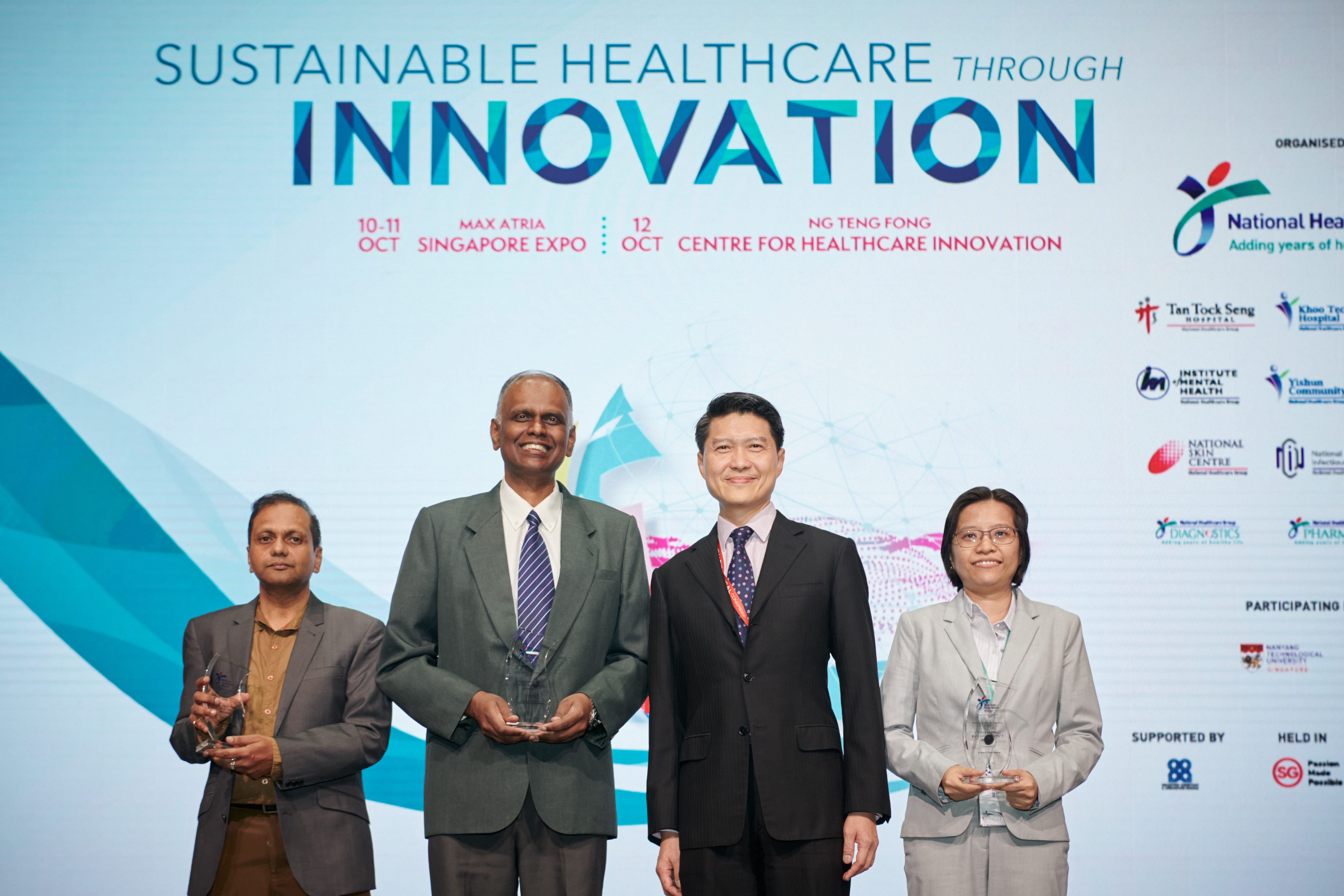
NHG Research Award: Outstanding Research Impact Category “Familial Hypercholesterolemia: Case Identification, Assessment and Reduction in Adverse Events (FHCARE)”
Publications
Pek, S. L. T., Yap, F., Sreedharan, A. V., Choo, J. T. L., & Tavintharan, S. (2021). Persistent hypercholesterolemia in child with homozygous autosomal recessive hypercholesterolemia: A decade of lipid management. Journal of Clinical Lipidology, 15(3), 441–446. https://doi.org/10.1016/j.jacl.2021.04.008
Khoo, C. M., Tan, M. L. S., Wu, Y., Wai, D. C. H., Subramaniam, T., Tai, E. S., & Lee, J. (2013). Prevalence and control of hypercholesterolaemia as defined by NCEP-ATPIII guidelines and predictors of LDL-C goal attainment in a multi-ethnic Asian population. Annals of the Academy of Medicine, Singapore, 42(8), 379–387. https://pubmed.ncbi.nlm.nih.gov/24045373/
Wei, J., Tee Joo Yeo, Doreen SY Tan, Siang, T., Khung Keong Yeo, Si, N., Subramaniam, T., Yew Seng Kwan, Chun, M., Lip Ping Low, & Huay Cheem Tan. (2024). Strategies to prevent cardiovascular disease in Singapore: A call to action from Singapore Heart Foundation, Singapore Cardiac Society and Chapter of Cardiologists of the Academy of Medicine, Singapore. Annals, Academy of Medicine, Singapore/Annals of the Academy of Medicine, Singapore, 53(1), 23–33. https://doi.org/10.47102/annals-acadmedsg.2023141
Vallejo-Vaz, A. J., Stevens, C. A. T., Lyons, A. R. M., Dharmayat, K. I., Freiberger, T., Hovingh, G. K., Mata, P., Raal, F. J., Santos, R. D., Soran, H., Watts, G. F., Abifadel, M., Aguilar-Salinas, C. A., Alhabib, K. F., Alkhnifsawi, M., Almahmeed, W., Alnouri, F., Alonso, R., Al-Rasadi, K., & Al-Sarraf, A. (2021). Global perspective of familial hypercholesterolaemia: a cross-sectional study from the EAS Familial Hypercholesterolaemia Studies Collaboration (FHSC). The Lancet. https://doi.org/10.1016/s0140-6736%2821%2901122-3
Kanika Inamdar Dharmayat, Vallejo-Vaz, A. J., Christophe A.T. Stevens, Brandts, J. M., Alexander R.M. Lyons, Urh Groselj, Abifadel, M., Aguilar-Salinas, C. A., Khalid Alhabib, Mutaz Alkhnifsawi, Wael Almahmeed, Fahad Alnouri, Alonso, R., Khalid Al-Rasadi, Ashavaid, T. F., Banach, M., Béliard, S., Binder, C., Bourbon, M., & Krzysztof Chlebus. (2024). Familial hypercholesterolaemia in children and adolescents from 48 countries: a cross-sectional study. Lancet, 403(10421), 55–66. https://doi.org/10.1016/s0140-6736%2823%2901842-1
Amany Elshorbagy, Vallejo-Vaz, A. J., Barkas, F., Lyons, A. R. M., Stevens, C. A. T., Dharmayat, K. I., Catapano, A. L., Freiberger, T., G Kees Hovingh, Mata, P., Raal, F. J., Santos, R. D., Soran, H., Watts, G. F., Abifadel, M., Aguilar-Salinas, C. A., Alhabib, K. F., Mutaz Alkhnifsawi, Wael Almahmeed, & Fahad Alnouri. (2025). Overweight, obesity, and cardiovascular disease in heterozygous familial hypercholesterolaemia: the EAS FH Studies Collaboration registry. European Heart Journal. https://doi.org/10.1093/eurheartj/ehae791
Lenin, C., Lim, P. X. H., Nastar, A., Subramaniam, T., Pek, S., Daccord, M., Evans, E., Print, E., Chan, F. H. F., & Griva, K. (2025). Facilitators and Barriers to Uptake of Genetic and Cascade Testing in Familial Hypercholesterolemia: a Systematic Review. International Journal of Behavioral Medicine.https://doi.org/10.1007/s12529-025-10357-y
Sreedharan. A.V, Pek SLT, Tan TH, Tavintharan S, Yap F. Successful pharmacological management of a child with compound heterozygous familial hypercholesterolemia and review of the recent literature. Journal of Clinical Lipidology 2020; In press.
Vallejo-Vaz AJ, De Marco M, et al. Overview of the current status of familial hypercholesterolaemia care in over 60 countries - The EAS Familial Hypercholesterolaemia Studies Collaboration (FHSC). Atherosclerosis. 2018;277:234-255. doi:10.1016/j.atherosclerosis.2018.08.051
Pek SLT, Sanjaya Dissanayake, Fong JCW, Lin MX, Chan EZL, Tang JIS, Lee CW, Ong HY, Sum CF, Lim SC,Tavintharan S. Spectrum of mutations in index patients with familial hypercholesterolemia in Singapore: Single Center Study. Atherosclerosis 2018; 269:106-116
Grants
NHG Enhanced Population Health Grant (ICRP) The FH FAMILY Programme: A Holistic approach of care for people with suspected familial hypercholesterolemia
AHPL STAR24205 Vascular Intermediate Phenotype (VIP) and ATP Binding Cassette transporters in Familial Hypercholesterolemia (FHCARE-VIP study)
AHPL STAR22205 A longitudinal cohort study to evaluate the association of patient activation measures with clinical and patient related outcomes in patients with Familial Hypercholesterolemia
Singapore Heart Foundation: Improving awareness and identification of Familial Hypercholesterolemia in Singapore among healthcare professionals and patients
AHPL STAR18202 Prospective observational study of potential genetic and biochemical predictors to response to cholesterol-lowering therapy in patients with Familial Hypercholesterolemia
Amgen: To support the establishment of a national Familial Hypercholestrolemia (FH) registry in Singapore.
AHPL STAR16104 Combination of molecular genetic testing and clinical diagnosis for familial hypercholesterolemia (FH) / Autosomal Dominant Hypercholesterolemia (ADH)
AHPL AHEG1503 Combination of molecular genetic testing and clinical diagnosis for familial hypercholesterolaemia and familial combined hypercholesterolaemia: Pilot study
Grants under Precision Medicine
Addressing the challenges in Case identification, Cascade Screening, Genetic testing and Treatment in Familial Hypercholesterolemia – a cross-cluster clinical implementation program by FHCARE [FH CIP]
Bot Terms Up - personalised tools to support genetic risk services
Whole genome genotyping and next generation sequencing technologies for precision medicine in the clinic (NGS)
Valuing Personalized Medicine: Willingness to Pay for Genetic Testing for Familial Hypercholesterolemia [FH]
FH CIP Top up 2 – Analysing non-classical lipid-related genes in patients presented with Familial Hypercholesterolemia
Establishing a structured genetic education model amongst healthcare professionals
What is MODY?
A type of diabetes caused by a single gene abnormality, often misdiagnosed as the common Type 1 or Type 2 diabetes
Registry set up to identify individuals with MODY and provide a genetic diagnosis so that they can receive the best treatment
MODY stands for Maturity-Onset Diabetes of the Young. It is a type of diabetes that is caused by a single gene abnormality (mutation) and is also known as monogenic diabetes. MODY can often be misdiagnosed as the common Type 1 or Type 2 diabetes as they share similar features. Determining the gene mutation in MODY is important to confirm the diagnosis.
Mutation in more than 20 genes have been shown to cause MODY. The most common ones include HNF4A, GCK and HNF1A (MODY-1,-2 and -3) as well as KCNJ11 and ABCC8 (can cause diabetes as young as 1 year old or less, i.e. neonatal diabetes). These genes directly affect the ability of the insulin-producing cells in the pancreas to sense, produce and release insulin, which is required to control sugar levels in our body.
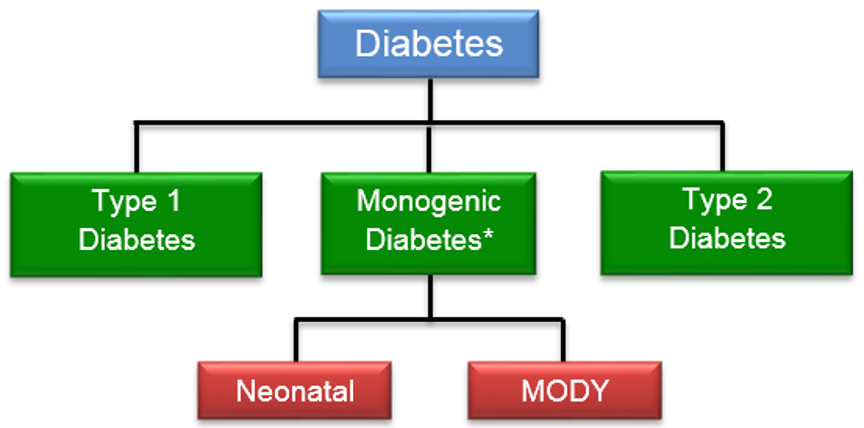
The KTPH-NHG MODY Registry is set up as part of our research study to identify individuals with MODY and to provide a genetic diagnosis for this group of individuals. A genetic diagnosis of MODY may aid doctors in providing the best treatment for these individuals (e.g. switching from insulin to tablets).
News Feature
Patient with rare diabetes tracked with new registry (The Sunday Times, 15/10/2017)
Related Publication
A preliminary study to evaluate the strategy of combining clinical criteria and next generation sequencing (NGS) for the identification of monogenic diabetes among multi-ethnic Asians
Cessation of Multiple Daily Insulin Injections in a Person with Twenty-Nine Years of "Type 1 Diabetes"
PAX4 R192H is associated with younger onset of Type 2 diabetes in East Asians in Singapore
Precision medicine for a man presented with diabetes at 2-month old
Response to multiple glucose-lowering agents in a sib-pair with a novel HNF1α (MODY3) variant
Clinical experience from a regional monogenic diabetes referral centre in Singapore
MODY Registry
Targeting primarily the population-catchment of NHG-Yishun campus, the KTPH-NHG MODY registry is set up with the following primary aims:
To identify individuals with MODY and to perform genetic testing for these group of individuals.
To facilitate optimization of treatment by their care-provider for individuals with confirmed genetic diagnoses (e.g. switching from insulin to oral anti-diabetic medications like sulphonylureas).
To provide MODY-related counselling to affected individuals and their family members.
To provide a platform for gathering longitudinal information to better understand and treat monogenic diabetes.

Your participation will help us understand the genetic basis of monogenic diabetes, and also answer questions such as the number of people who are affected in our local population, the typeof treatment that is best for each different genetic type, and other medical problems that might arise due to the presence of such gene mutations. These information will help doctors understand the genetic basis of the disease and offer suitable treatment to the patients.
Do I have MODY?
You may have MODY if you have any of the following features:
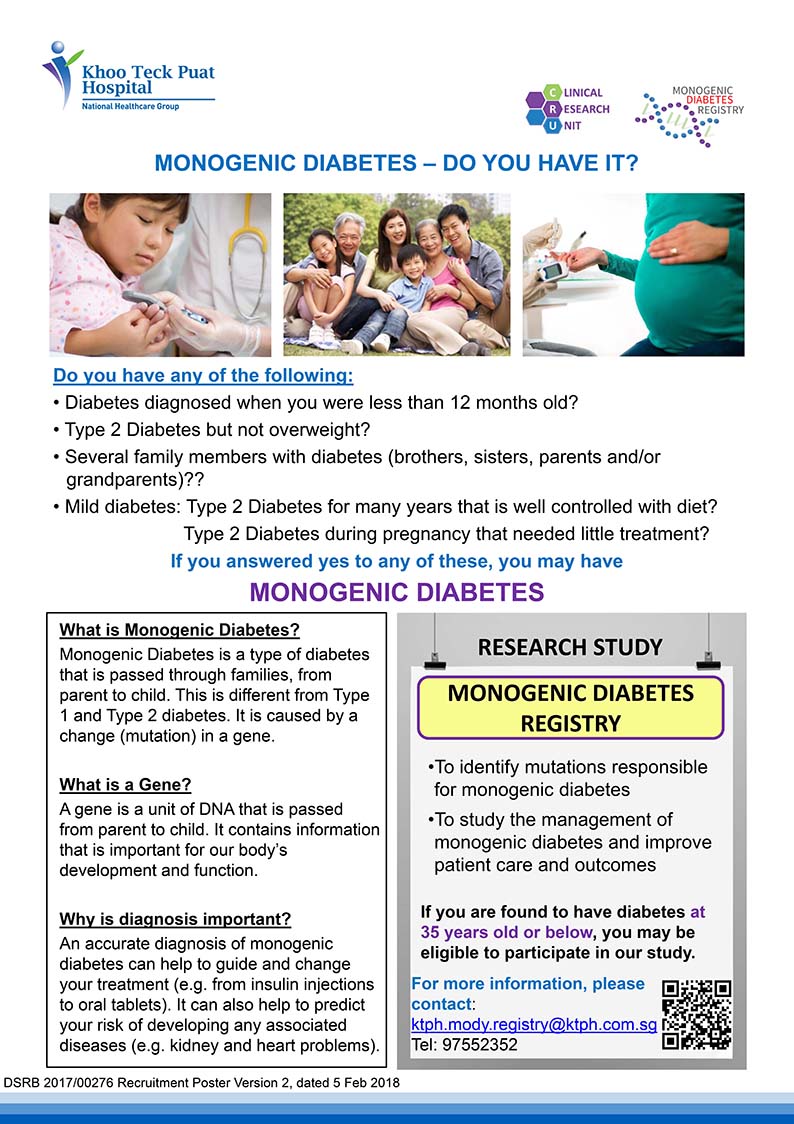
Diabetes diagnosed when you were less than 35 years old. We strongly recommend people with diabetes-onset below 1 year old to receive genetic testing.
Type 2 Diabetes (T2D) but not overweight
Longstanding T2D that is well controlled with diet alone
Strong family history of diabetes (more than 2 generations)
Contact Us
Interested to find out more and participate in our study?
If you think you have MODY and would like to participate in our study, kindly email the following details to ktph.mody.registry@nhghealth.com.sg.
Salutation (Mr/Ms/Mdm)
Full name
Contact number
Email address
By sending us the above information, you are deemed to have consented for our study team to contact and invite you to participate in our clinical trials/research. Collection, use and disclosure of your personal data shall be in accordance with our privacy policy.
Are you a physician looking to refer your patient(s)?
More information on our study inclusion & exclusion criteria can be found here. If you would like to refer your patient, please email the following details to ktph.mody.registry@nhghealth.com.sg.
Patient Details
Salutation (Mr/Ms/Mdm)
Full name
Contact number
Email Address
Physician Details
Physician name
MCR number
Clinic/Hospital
Address
Contact number
Email Address
Please ensure that patient consent for the collection, use and disclosure of his/her information has been obtained and documented, according to PDPA requirement. Our study team will contact you/patient via the provided contact details. All personal information provided will be kept confidential.
Other enquiries?
Please contact us at ktph.mody.registry@nhghealth.com.sg.
Participation in the KTPH-NHG Monogenic Diabetes Registry is voluntary and there is no charge to participate. Genetic testing for MODY is performed on a research basis and will be provided at no cost for individuals who are eligible and have given consent for the study.
This study is approved by the NHG Domain Specific Review Board (DSRB 2017/00276) and the research team follows all DSRB guidelines to protect personal health information.
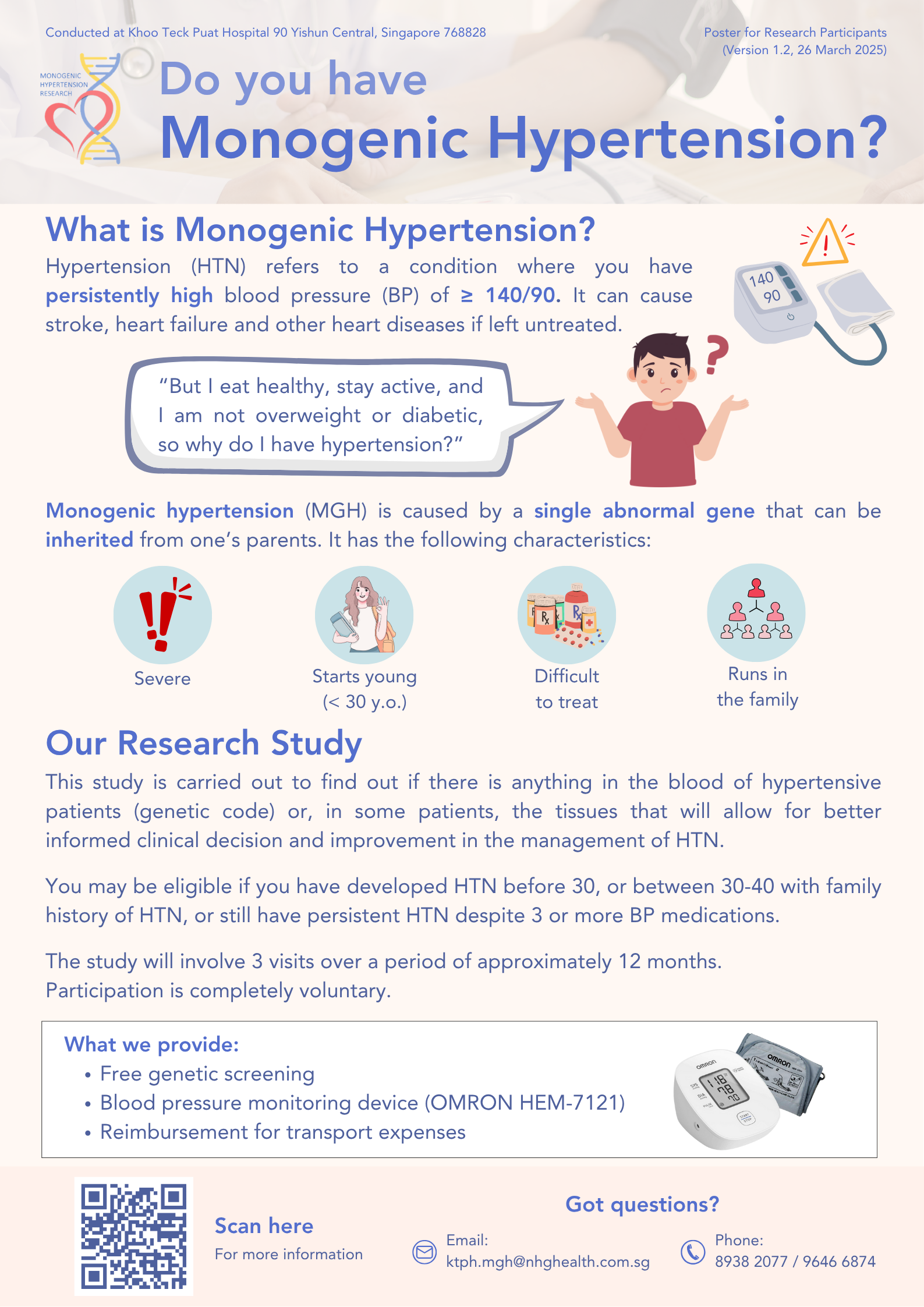
About Monogenic Hypertension (MGH):
Hypertension is common. The vast majority of hypertension have unknown underlying causes, and nearly all treatment for this group is guided by the signs and symptoms of the patients.
In contrast, Monogenic Hypertension is when there is high blood pressure caused by a single abnormal gene.
Characteristics:  Severe Runs in Family Starts young Difficult to treat
Purpose of research study:
This study is carried out to find out if there is anything in the blood of patients (genetic code) or, in some patients, anything in the tissues to allow:
-
Accurate diagnosis - you and your doctor will be helped in knowing
-
Reduce "diagnostic odyssey" - save time and cost spent on testing
-
May help avoid ineffective treatments
-
Helps identify at-risk family members for testing
-
Distinguish between different patterns of inheritance - symptoms varies according to different mode
-
Inform family planning

What the study involves:
-
Initial Enrolment (~1 hour)
-
One questionnaire
-
Blood sample taking
-
-
Two Follow-up Visits every 6 months (~ 30 mins)
-
Return of home blood pressure readings
-
Join us if you have ANY ONE or more of the following:
-
High blood pressure before 30 years old
-
High blood pressure between 30-40 years old and family history of hypertension
-
Uncontrolled high blood pressure despite taking 3 or more blood pressure lowering medications
-
Your doctor suspects that you may have Monogenic Hypertension (eg Familial Hyperaldosteronism or Pheochromocytoma for which genetic testing is recommended)
Additional requirements will be discussed with a study representative.
Participants will receive:
|  |
What else should I know about being enrolled in this study?
MGH Educational Video
-
Will be required to take blood pressure (morning and evening for the first week, and subsequently weekly, for 1 year after the enrolment into the study)
-
Take note of the number of clinical visits and expenses incurred as standard care for hypertension (only if you have enrolled in this study as proband)
Poster 2 version VI (28/09/2022)
This study is funded by Alexandra Health Pte Ltd (Science Translation Applied Research Grants 20105, 2206)
For more information, contact MGH team:
Ms Diana 8938 2077
Ms Umairah 9646 6874
Email: ktph.mgh@nhghealth.com.sg
Conference Abstract
-
Comprehensive analysis of pathogenic variants in 27 hypertension linked genes in Singapore: Applications to Monogenic Hypertension. Yiamunaa M, Charmaine Koh, Troy Puar Hai Kiat, Lim Su Chi, Resham Lal Gurung, for Monogenic Hypertension study group. Singapore Health & Biomedical Congress, 2022
-
Genetic features of patients suspected of monogenic hypertension: A Pilot Study. Resham L Gurung, Yiamunaa M, Diana Yong, SK Tan, Daphne Lee, Sanjaya Dissanayake, Allen Liu, Su Chi Lim. Singapore Health & Biomedical Congress, 2021
The SALIENCE Programme: A Singapore ALliance towards an Integrated rEsearch platform for NeuroCognitive DisEases
Led by the KTPH Geriatric Dept and supported by the Clinical Research Unit, the SALIENCE Programme is a consortium comprising 5 institutions i.e. NNI, KTPH, IMH, NUH, and SGH, to evaluate the pathobiology of Mild Cognitive Impairment (MCI) and to develop the infrastructure which will enable a comprehensive biomarker characterization of the MCI pathobiology. It has four objectives:
1. Harmonized Platform for Cognitive-Behavioral-Physical Phenotyping of Mild Cognitive Impairment
Specific Aim 1: To develop a harmonised platform for the standardized and efficient evaluation of cognitive and behavioral functions (global and specific cognitive domains, mild behavioral impairment, depression) so that researchers across the centers can use this structured research platform to study specific MCI phenotypes and the risk of progression to dementia.
Specific Aim 2: To develop a common platform that integrates physical parameters (gait speed, stride length, bio-impedance) measured using wearables to study the role of physical frailty in the development and progression of MCI.
2. Harmonized Platform for Neuroimaging and Cardiovascular Biomarkers of Mild Cognitive Impairment
Specific Aim 1: To develop a harmonized platform for neuroimaging parameters (structural MRI, functional MRI, arterial spin labelling) to enable multi-center research into brain structures, functional connectivity and blood flow changes due to MCI in Singapore.
Specific Aim 2: To develop a harmonized platform for evaluation of cardiovascular risk factors to enable research into the link between heart and brain in the pathobiology of MCI.
3. Harmonized Platform for Blood based Biomarkers for Mild Cognitive Impairment
Specific Aim 1: To develop a harmonized platform for blood-based biomarkers (amyloid-tau, cerebrovascular, neuroinflammation, metabolic, genetics) for characterization of MCI pathobiology.
Specific Aim 2: To pool the blood-based biomarker data from NNI, KTPH and IMH to enable in-depth understanding of the major pathobiology of MCI in Singapore comprising of cerebrovascular, amyloid-tau, metabolic and neuroinflammation pathologies.
4. Platform for Research into Epidemiology and Social Risk factors in Mild Cognitive Impairment
Specific Aim 1: To study the social risk factors that contribute to quality of life and progression from MCI to dementia to inform strategies that will improve quality of life.
Specific Aim 2: To study the factors that influence caregiver burden in MCI so as inform strategies that will reduce caregiver burden.
The contribution of KTPH to the SALIENCE programme has been to recruit MCI patients visiting KTPH Geriatric Medicine (GRM) memory clinic, with one baseline visit and two follow-up visits, encompassing neuropsychological assessment, physical tests, blood and urine collection, as well as MRI brain imaging.
Multi-disciplinary research in fields such as epidemiology, genetics, metabolomics, lifestyle and nutrition to gain insights into functional changes related to obesity among multi-ethnic Asians in Singapore
Obesity is a complex multifaceted disease arising from interactions of biological, behavioural and environmental factors, and contributes to many comorbid conditions e.g. Type 2 diabetes (T2DM). Bariatric Surgery (also known as Gastrointestinal Surgery, or Bariatric and Metabolic Surgery) is highly effective in inducing weight loss among morbidly obese individuals thereby ameliorating adverse metabolic consequences.
The OMICS project is co-initiated by Dr Anton Cheng (Deputy Director of Weight Management Programme at our Health For Life Centre) and Dr Lim Su Chi (Clinical Director, Clinical Research Unit) to provide resources for conducting multidisciplinary research in fields such as epidemiology, genetics, metabolomics, lifestyle and nutrition to elucidate obesity pathophysiology among multi-ethnic Asians in Singapore.
Constituting the core of OMICS is a prospective-cohort founded since 2007. To date, it has ~400 severely obese (mean BMI~40 kg/m2) individuals who underwent bariatric surgery. About one-third of them has T2DM, whom we have performed pre- and post-bariatric surgery multiple time-point OGTT. Additionally, we have established a rich bio-repository of bio-banked blood and urine samples, cryopreserved human primary adipocytes (both subcutaneous and visceral), skeletal myocytes and longitudinal clinical data collected from the research participants.
The goals of the OMICS project are:
To understand the best practice for candidate-selection to derive benefit from bariatric surgery
To unveil the mechanisms elicited by bariatric surgery so as to facilitate the development of powerful non-invasive interventions for improving obesity and/or T2DM
To identify biomarkers to better risk-stratify obesity/T2DM patients i.e. personalized medicine
Publications
Pek SL, Sum CF, Lin MX, Cheng AK, Wong MT, Lim SC, Tavintharan S. Circulating and visceral adipose miR-100 is down-regulated in patients with obesity and Type 2 diabetes. Mol Cell Endocrinol. 2016;427:112-23.
Toy WC, Liu JJ, Cheng AKS, Tan CSH, Lau DP, Wong MDS, Tavintharan S, Sum CF, Lim SC. Adiponectin gene polymorphisms and type 2 diabetes among Singaporean Chinese adults. J Diabetes Metab. 2011;2(8): 1000152.
Kiong KL, Ganesh R, Cheng AKS, Lekshiminarayanan R, Lim SC. Early improvement in type 2 diabetes mellitus post Roux-en-Y gastric bypass in Asian patients. Singapore Med J 2010; 51(12) 937.
Ngiam KY, Lee WJ, Lee YC, Cheng A. Efficacy of metabolic surgery on HbA1c decrease in type 2 diabetes mellitus patients with BMI < 35 kg/m2--a review. Obes Surg. 2014 Jan; 24(1):148-58.
Conference Abstracts
Moh MC, Lian M, Ang SF, Wong MDS, Zhang X, Lim SC. Whole exome sequencing on a large cohort of severely-obese individuals to investigate pancreatic β-cell function related protein-coding variants potentially protective against type 2 diabetes in the metabolically healthy non-diabetic group. AFES 2017, Yangon, Myanmar.
Moh MC, Lim SC, Lim BK, Tavintharan S, Sum CF, Cheng AKS. Evaluation on the early effects of bariatric surgery on the outcome of type 2 diabetes in obese patients. ICO 2014, 12th International Congress on Obesity, Malaysia, Kuala Lumpur.
Moh MC, Cheng AKS, Pek SLT, Lim BK, Wong MDS, Lim SC. Alteration of the plasma amino acid profile predicts glucose tolerance after gastro-intestinal metabolic surgery in obese patients with type 2 diabetes. Singapore Health and Biomedical Congress 2015, Singapore.
Wong MDS, Moh MC, Cheng AKS, Tan LT, Lim BK, Pek SLT, Sum CF, Tavintharan S, Lim SC. Elevation of plasma long-chain acylcarnitines in obese patients with non-remission of type 2 diabetes after bariatric surgery. Singapore Health and Biomedical Congress 2015, Singapore.
Toy WC, Liu JJ, Cheng AKS, Wong MDS, Sylvia, Tan CSH, Sum CF, Lim SC. TNF-α induce fractalkine expression via activation of NF-kB in human adipocytes. Singapore Health and Biomedical Congress 2012, Singapore.
Toy WC, Cheng AKS, Tan TJ, Lau DP, Rajmohan L, Tan CSH, Wong MDS, Tavintharan S, Sum CF, Lim SC. The effect of PPARï?§ Rosiglitazone on the gene expression profile of subcutaneous vs visceral adipocytes. Alexandra Health Research Forum 2011, Singapore.
Lau DP, Toy WC, Cheng AKS, Tan CSH, Wong MDS, Narayanan R, Sum CF, Tavintharan S, Lim SC. Differential gene expression of inflammatory cytokines and receptors between human visceral and subcutaneous adipose tissue. Alexandra Health Research Forum 2011, Singapore.
Toy WC, Tan JJ, Lau DP, Tan CSH, Wong MDS, Tavintharan S, Sum CF, Lim SC, Cheng AKS. The miRNA profiling on the effect of Rosiglitazone on subcutaneous vs visceral adipocytes. Asia-Pacific Metabolic and Bariatric Surgery Society. 21st Oct 2010. Singapore.
Conference Papers
Lap adj Gastric Band for morbid Obesity Results at 5 years. Free paper. Aaron Poh, A Cheng. APMBSS Congress Singapore Oct 2010
Early improvement in Type 2 DM post RYGB in Asian patients. G Xu, A Cheng. APMBSS Congress Singapore Oct 2010
Laparoscopic Adjustable gastric Banding our 5 years experience in AH/KTPH. Ganesh R, A Cheng. ELSA Congress Singapore August 2011
Biliopanceatic diversion as a revision bariatric procedure our case series. Ganesh R, A Cheng. ELSA Congress Singapore August 2011
Single incision sleeve gastrectomy. Ganesh R, A Cheng. ELSA Congress Singapore August 2011
Single incision sleeve gastrectomy video presentation. HS Ho, WD Lau, Desmond Ooi, A Cheng. ELSA Congress Singapore August 2011
Laparoscopic Biliopancreatic Diversion, video presentation. Lau WD, Cheng A. ELSA Congress Singapore August 2011
Lengthening of BP limb post BPD due to severe malnutrition. Video presentation. Tan CC, Cheng A. ELSA Congress Singapore August 2011
Endoscopic stenting of GJ anastomotic leak after RYGB. Desmond Ooi, Ho HS, Lau WD, AKS Cheng. ELSA Congress Singapore August 2011
Reasons for loss to follow up in our Bariatric Surgical Center. Lucy Kong, Ganesh R, A Cheng. ELSA Congress Singapore August 2011
Laparoscopic Adjustable Gastric Banding 10 years experience, IFSO congress New Delhi, Oct 2012
Glycaemic Control after Gastric Bypass Surgery in Morbidly Obese Patients with Diabetes Mellitus: An Asian Experience, IFSO congress New Delhi, Oct 2012
Media Reports
Singapore Study of Macro-angiopathy and Microvascular Reactivity in Type 2 Diabetes (SMART2D Cohort Study)

Introduction
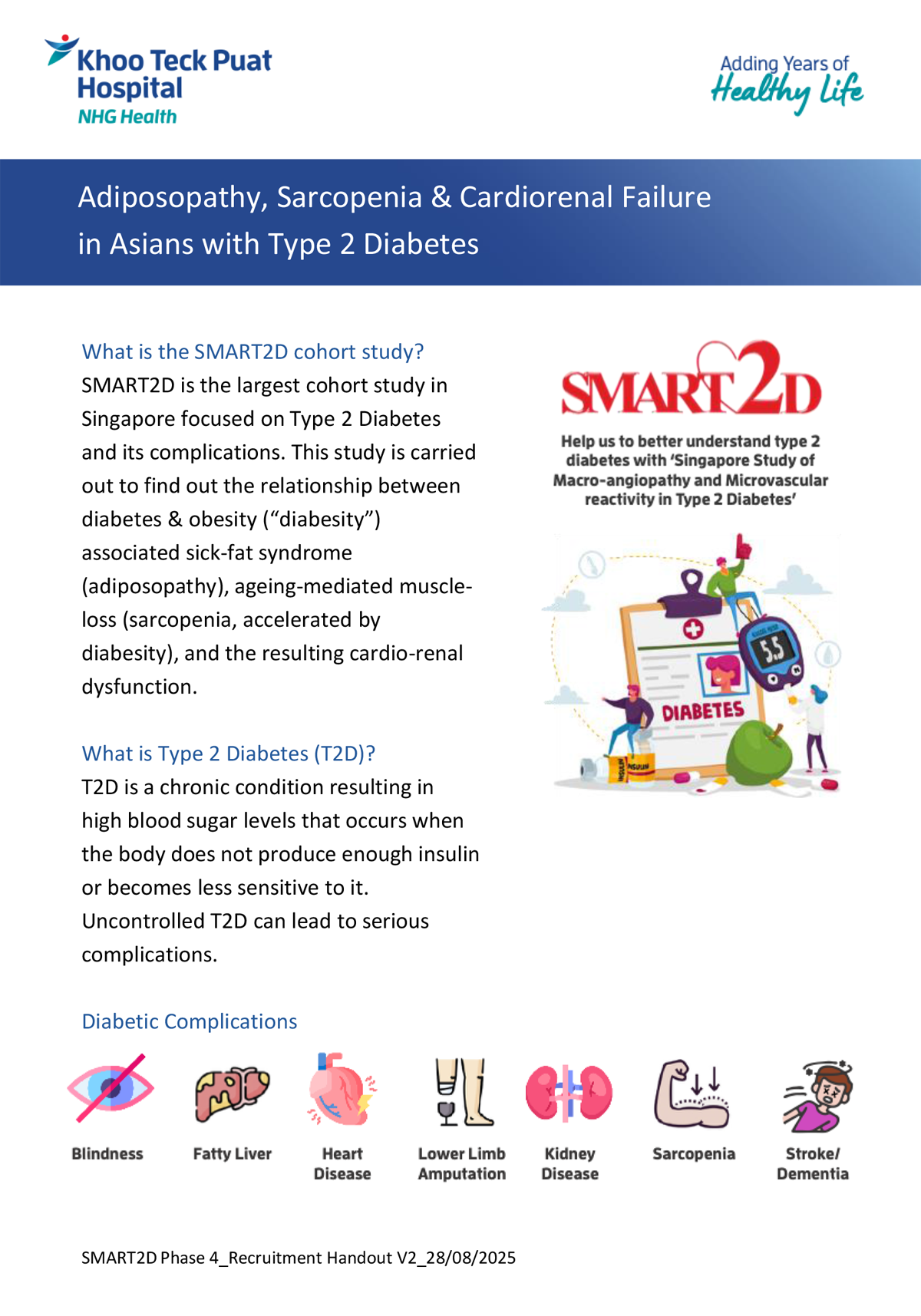
The SMART2D cohort was started in 2011, to study the impact of diabetes related metabolic risk factors (RFs) on blood vessel function & common diabetic complications (e.g. diabetic kidney disease, diabetic foot syndrome & cognitive function).
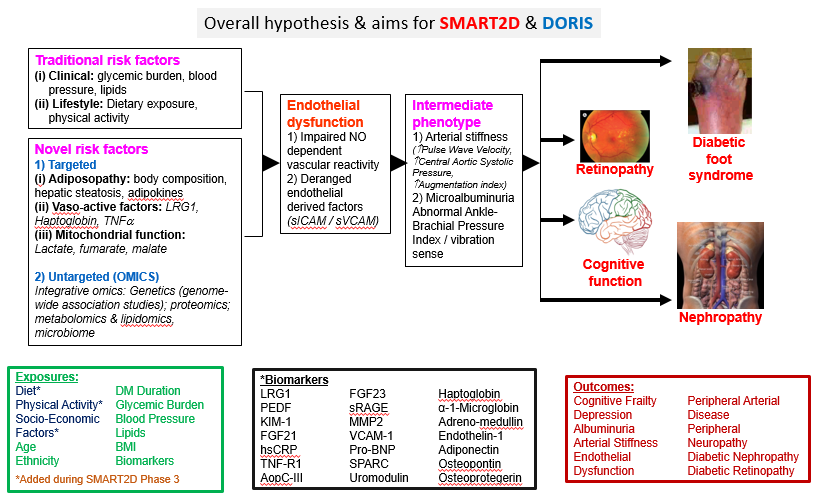
The aims of the study, along with the exposures, biomarkers and outcomes explored in the study.
(DORIS: Diabetic nephropathy – Onset & Risk factors study, is a sister-cohort of SMART2D https://www.nhghealth.com.sg/ktph/for-health-professionals/clinical-research#Research%20Highlights )
The SMART2D cohort
Is a key member of a nationwide, multi-institution consortium to study diabetic kidney disease & retinopathy.
Receives a total of nearly S$5 million (FY2012 to FY2021) in funding by the National Medical Research Council (NMRC).
Aims to recall all of our past participants to study the RFs (with emphasis on lifestyle factors) & disease progression. In the next phase (year 2024 onwards), we will organize the serial collection of bio-specimens, along with follow-up data on RFs & diabetic complications.
Has generated over 70 papers in high-impact, international peer-reviewed scientific journals and shared our findings at numerous national and international conferences.
The SMART2D Cohort Study was first launched in 2011 by Drs Lim Su Chi, Tavintharan Subramaniam, Yeoh Lee Ying and Sum Chee Fang, funded by the highly competitive National Medical Research Council's (NMRC) Program Project Grant (PPG). Since then, Dr Lim Su Chi has been awarded two additional NMRC Clinical Scientist Individual Research Grants (CS-IRG) to recall all the participants for re-evaluation to study changes in RF and disease-progression.
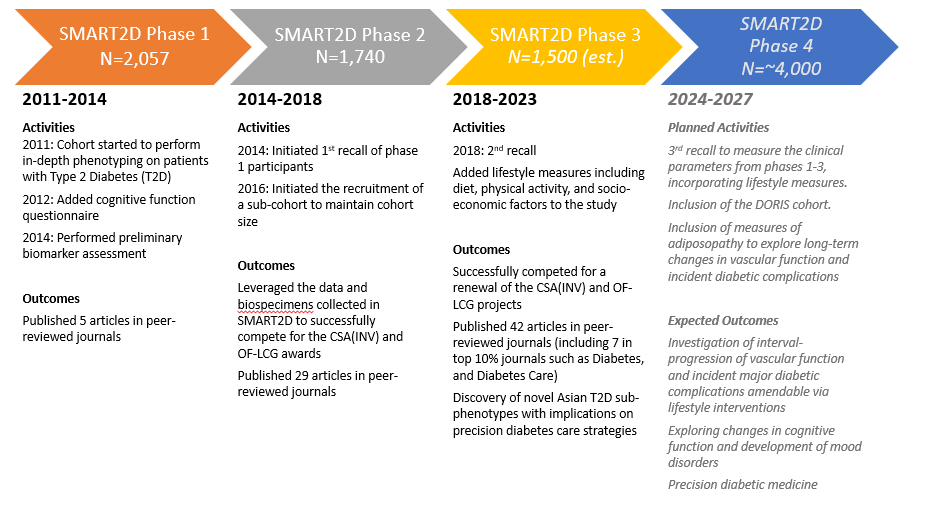
By exploiting the synergy between clinical and molecular epidemiology, SMART2D will continue as a longitudinal study that investigates the relationship between risk factors (genetic and non-genetic), vascular function (i.e. intermediate phenotype - endothelial reactivity and arterial stiffness) and final phenotypes (diabetic foot syndrome, nephropathy, retinopathy & cognitive dysfunction).
The SMART2D study collaborates with prestigious institutions such as the Genome Institute of Singapore (GIS), National University of Singapore (NUS), National Healthcare Group Polyclinics (NHGP) and the Wellcome Trust Centre for Human Genetics at Oxford, UK. In addition, the cohort is part of a nation-wide, multi-institution consortium (DYNAMO: Diabetes studY in Nephropathy And other Microvascular cOmplications) devoted to studying diabetic kidney disease and retinopathy.
Recent highlights
We use clinical variables to perform cluster analysis in the SMART2D cohort, allowing us to identify novel subgroups with distinct genetic signatures, lipidomic patterns, and cardio-renal risks in Asian patients with recent-onset type 2 diabetes which may serve as a starting point to stratify the diverse diabetic population into subgroups for precision medicine in our Asian population for better health outcomes. Our work has been covered in the media by the Singapore national newspapers, Berita Harian ("Kajian KTPH buka jalan bagi rawatan penyakit kencing manis lebih tepat", 15 November 2022) and 联合早报 ("糖尿病患者分类型 护理治疗更精准", 28 February 2023).
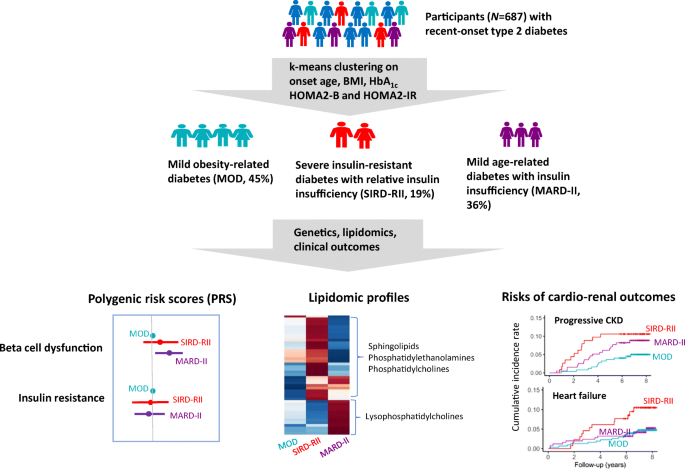
Diabetologia. 2022 Dec; 65(12):2176. doi: https://doi.org/10.1007/s00125-022-05741-2
To enhance the sample-size, we are recruiting new volunteers for our prospective study. Various health assessment tests, including blood and urine tests, foot screening, body composition analysis and questionnaires to investigate diet, physical activity and cognition may be conducted. The results obtained from these tests can be used to inform the volunteers (and their doctors) of any changes in their health status and blood vessel function. If you are interested in learning more about the study or would like to join us as a study volunteer, please contact our lead study coordinator Ms Qi Xiaoge at 8798 3468 or our project manager Dr Keven Ang at 6602 2343. Alternatively, you may also email the study team at ktph.smart2d@nhghealth.com.sg. Collection, use and disclosure of your personal data shall be in accordance with our institution's privacy policy.
Highlighted Publications
Liu, J. J., Liu, S., Wang, J., Pek, S. L. T., Lee, J., Gurung, R. L., Ang, K., Shao, Y. M., Tavintharan, S., Tang, W. E., Sum, C. F., & Lim, S. C. (2023). Urine Leucine-Rich α-2 Glycoprotein 1 (LRG1) Predicts the Risk of Progression to End-Stage Kidney Disease in Patients With Type 2 Diabetes. Diabetes care, 46(2), 408–415. https://doi.org/10.2337/dc22-1611
Wang, J., Liu, J. J., Gurung, R. L., Liu, S., Lee, J., M, Y., Ang, K., Shao, Y. M., Tang, J. I., Benke, P. I., Torta, F., Wenk, M. R., Tavintharan, S., Tang, W. E., Sum, C. F., & Lim, S. C. (2022). Clinical variable-based cluster analysis identifies novel subgroups with a distinct genetic signature, lipidomic pattern and cardio-renal risks in Asian patients with recent-onset type 2 diabetes. Diabetologia, 65(12), 2146–2156. https://doi.org/10.1007/s00125-022-05741-2
Liu, J. J., Pek, S. L. T., Wang, J., Liu, S., Ang, K., Shao, Y. M., Tang, J. I., Gurung, R. L., Tavintharan, S., Tang, W. E., Sum, C. F., & Lim, S. C. (2021). Association of Plasma Leucine-Rich α-2 Glycoprotein 1, a Modulator of Transforming Growth Factor-β Signaling Pathway, With Incident Heart Failure in Individuals With Type 2 Diabetes. Diabetes care, 44(2), 571–577. https://doi.org/10.2337/dc20-2065
Liu, J. J., Pek, S. L. T., Liu, S., Wang, J., Lee, J., Ang, K., Shao, Y. M., Gurung, R. L., Tavintharan, S., Tang, W. E., Sum, C. F., & Lim, S. C. (2021). Association of Plasma Leucine-Rich Alpha-2 Glycoprotein 1 (LRG1) with All-Cause and Cause-Specific Mortality in Individuals with Type 2 Diabetes. Clinical chemistry, 67(12), 1640–1649. https://doi.org/10.1093/clinchem/hvab172
Low, S., Goh, K. S., Ng, T. P., Ang, S. F., Moh, A., Wang, J., Ang, K., Subramaniam, T., Sum, C. F., & Lim, S. C. (2020). The prevalence of sarcopenic obesity and its association with cognitive performance in type 2 diabetes in Singapore. Clinical nutrition, 39(7), 2274–2281. https://doi.org/10.1016/j.clnu.2019.10.019
Liu, C., Teo, M. H. Y., Pek, S. L. T., Wu, X., Leong, M. L., Tay, H. M., Hou, H. W., Ruedl, C., Moss, S. E., Greenwood, J., Tavintharan, S., Hong, W., & Wang, X. (2020). A Multifunctional Role of Leucine-Rich α-2-Glycoprotein 1 in Cutaneous Wound Healing Under Normal and Diabetic Conditions. Diabetes, 69(11), 2467–2480. https://doi.org/10.2337/db20-0585
Liu, J. J., Liu, S., Gurung, R. L., Ang, K., Ee Tang, W., Sum, C. F., Tavintharan, S., Hadjadj, S., & Lim, S. C. (2019). Arterial Stiffness Modulates the Association of Resting Heart Rate With Rapid Renal Function Decline in Individuals With Type 2 Diabetes Mellitus. Arteriosclerosis, thrombosis, and vascular biology, 39(11), 2437–2444. https://doi.org/10.1161/ATVBAHA.119.313163
Gurung, R. L., Yiamunaa, M., Liu, S., Liu, J. J., Chan, C., Choo, R. W. M., Ang, K., Sum, C. F., Tavintharan, S., & Lim, S. C. (2019). Association of haptoglobin phenotype with incident acute myocardial infarction in Chinese patients with type 2 diabetes. Cardiovascular diabetology, 18(1), 65. https://doi.org/10.1186/s12933-019-0867-4
Dorajoo, R., Chang, X., Gurung, R. L., Li, Z., Wang, L., Wang, R., Beckman, K. B., Adams-Haduch, J., M, Y., Liu, S., Meah, W. Y., Sim, K. S., Lim, S. C., Friedlander, Y., Liu, J., van Dam, R. M., Yuan, J. M., Koh, W. P., Khor, C. C., & Heng, C. K. (2019). Loci for human leukocyte telomere length in the Singaporean Chinese population and trans-ethnic genetic studies. Nature communications 10 (1), 2491. https://doi.org/10.1038/s41467-019-10443-2
For other SMART2D Publications, click here.
The Yishun Study is a normative database describing the physical and cognitive profiles of 500 healthy Singaporean adults aged 21 to 85+. Participants underwent a comprehensive assessment battery covering motor function, cognitive performance, body composition, and fall risk. Key measures include gait analysis, hand-grip strength, the Timed Up and Go (TUG) test, the Physiological Profile Assessment (PPA), body composition scanning, and the Repeatable Battery for the Assessment of Neuropsychological Status (RBANS).
Below is a complete list of variables collected in the Yishun Study, including units and coding conventions.
Click here
To request access to the Yishun Study database, please complete this form according to the instructions and email the completed form to ktph.yishunstudy@nhghealth.com.sg.
Clinical Research Scientists
.png%3Fh%3D567%26iar%3D0%26w%3D456&w=3840&q=85)
Dr Serena Low Kiat Mun
Consultant, Clinical Research Unit, KTPH

Dr Sharon Pek Li Ting
Principal Research Officer, Clinical Research Unit, KTPH

Dr Angela Moh Mei Chung
Principal Research Officer, Clinical Research Unit, KTPH

Adjunct Assistant Professor Resham Lal Gurung
Principal Research Officer, Clinical Research Unit
Adjunct Assistant Professor, Duke-NUS Medical School

Ms Clara Tan Si Hua
Senior Research Office, Clinical Research Unit, KTPH

Dr Liu Jian-jun
Principal Research Officer, Clinical Research Unit, KTPH
Past Studies
Our teams have undertaken a number of sponsored trials. For information on setting new clinical trials, please contact: ktph.cru.admin@nhghealth.com.sg and aow.johanan.sb@nhghealth.com.sg
Here are some examples of past studies:
VICTORIA Study Led by Dr Dinna Soon (Cardiology)
KTPH participated in the industry-sponsored clinical trial, VICTORIA, from 2016 to 2019. A total of 5050 chronic heart failure patients participated globally.
Results showed that subjects treated with Vericiguat in addition to standard of care had a 10% lower risk of cardiovascular death or first heart failure hospitalization. To date, no known therapies have been able to reduce the risk of hospitalization after a worsening event. Through this study, the novel Vericiguat could help bridge this gap.
FIDELIO-DKD Study Led by A/Prof Sum Chee Fang (Diabetes Centre)
From 2015 to 2019, KTPH participated in the largest industry-sponsored Phase III clinical trial program to date in Chronic Kidney Disease (CKD) and Type II diabetes (T2D); with more than 13,000 patients participating worldwide. CKD is a deadly complication of T2D that affects 4 in 10 patients with T2D.
Results from this study showed that patients given the investigational drug, Finerenone, in addition to their standard of care, had a significant reduction in the time to first occurrence of kidney failure or renal death. Furthermore, when evaluating the composite time to first occurrence, Finerenone was also found to reduce the risk of non-fatal stroke, non-fatal myocardial infarction, cardiovascular (CV) death or heart failure hospitalization.
PARADIGM-HF Led by Dr Ong Hean Yee (Cardiology)
PARADIGM-HF was an industry-sponsored clinical trial conducted in KTPH between 2009 and 2013. The trial tested a new heart failure medication that is now made available in Singapore after the clinical trial. With 29.9%* of deaths caused by Cardiovascular Diseases in 2014, the new medication is set to benefit many heart disease patients in the near future.
Spearheaded by Dr Ong Hean Yee in KTPH, the results of the trial which was published in 2014’s New England Journal of Medicine, demonstrated that patients who were given the new LCZ696 medication had a 20% and 21% reduced risk of death and hospitalization for heart failure respectively. The trial stopped 10 months earlier than intended because preliminary data showed overwhelming benefits the new medication could provide. Now available in the market, this is the first novel class of medication that is able to improve on mortality in heart failure since 1999.
KTPH’s participation in this trial was featured in numerous local newspapers such as The Straits Times, Berita Harian, The New Paper and My Paper in March and April 2016.
EMPA-REG OUTCOME Led by A/Prof Sum Chee Fang (Diabetes Centre)
In 2012, KTPH participated in EMPA-REG OUTCOME – an industry-sponsored trial conducted in 42 countries globally and involved a total of 7,028 diabetes patients between 2010 and 2013. Empagliflozin, the drug that was tested, was later described by The Straits Times to be ‘ a game-changer in the treatment of diabetes.
Results from the trial showed that type 2 diabetes patients had a lower rate of cardiovascular outcome when empagliflozin was prescribed in addition to the standard diabetes medication. The study was published in the New England Journal of Medicine. With strong evidence that empagliflozin can help with reducing cardiovascular risk, the new drug was submitted to the Health Sciences Authority (HAS) for registration, and has been approved for use in Singapore since December 2014.
ROCKET-AF (Atrial Fibrillation) & VTE Study Led by Dr Ong Hean Yee (Cardiology)">ROCKET-AF (Atrial Fibrillation) & VTE Study Led by Dr Ong Hean Yee (Cardiology)
Rivaroxaban has been used in Singapore to prevent blood clots from forming in the veins of adults undergoing total hip or knee replacement surgery. In December 2013, the drug was given the approval to be used as an oral blood thinner by the Health Sciences Authority (HSA).
The ROCKET-AF clinical trial was conducted to investigate how effective Rivaroxaban is in reducing the risk of ischemic stroke in patients with atrial fibrillation as compared to conventional anticoagulation medication (warfarin). The trial recruited and followed up a total of 14,264 patients with atrial fibrillation globally between 2006 and 2010, of which 44 patients were from Singapore. The data, published in the New England Journal of Medicine in 2011, concluded that Rivaroxaban worked as well as warfarin in preventing stroke or systemic embolism.
In conjunction with ROCKET-AF, Dr Ong also led a team to investigate the incidences of venous thromboembolism (VTE), i.e. blood clots that form in veins, and the prescription of thromboprophylaxis amongst Asians. The cross-sectional study collected data from 1,103 KTPH patients who had undergone major orthopaedic or abdominal 2.1%. The study also found that patients over 75 years old are at higher risk of VTE. The findings have allowed KTPH to manage the risk of VTE, and to prevent the development of this fatal condition on our post-operative patients.
The outcome of the VTE study was reported in Shin Min Daily News, The New Paper and Lianhe Wanbao in April 2014, as well as in The Straits Times in June 2014.
For information on setting new clinical trials, please contact:
ktph.cru.admin@nhghealth.com.sg & yee.grace.pc@nhghealth.com.sg
Our Research Collaborators
Local Collaborators
Overseas Collaborators
|
|
Why Participate in Clinical Research?
You will contribute to the wellbeing of society, and the advancement of medical research, bringing new hope for patients afflicted with different conditions and diseases. Future generations, your children or grandchildren included, will benefit from the research. It may also benefit you, as you can learn more about your illness or condition and the treatment options, and have access to new medications and procedures. Whatever your reasons, participation is voluntary. We invite you to join us in gaining better understanding of diseases and improving healthcare in Singapore.
Information
Eligibility:
High blood pressure before 30 years old
High blood pressure between 30 - 40 years old and family history of hypertension
Uncontrolled high blood pressure despite taking 3 or more blood pressure lowering medications
Your doctor suspects that you may have Monogenic Hypertension
Contact Number:
8938 2077 / 9646 6874
Email:
ktph.mgh@nhghealth.com.sg
Time:
Monday - Friday,
9am - 12pm or 1pm - 5pm
Collection, use and disclosure of your personal data shall be in accordance with our privacy policy
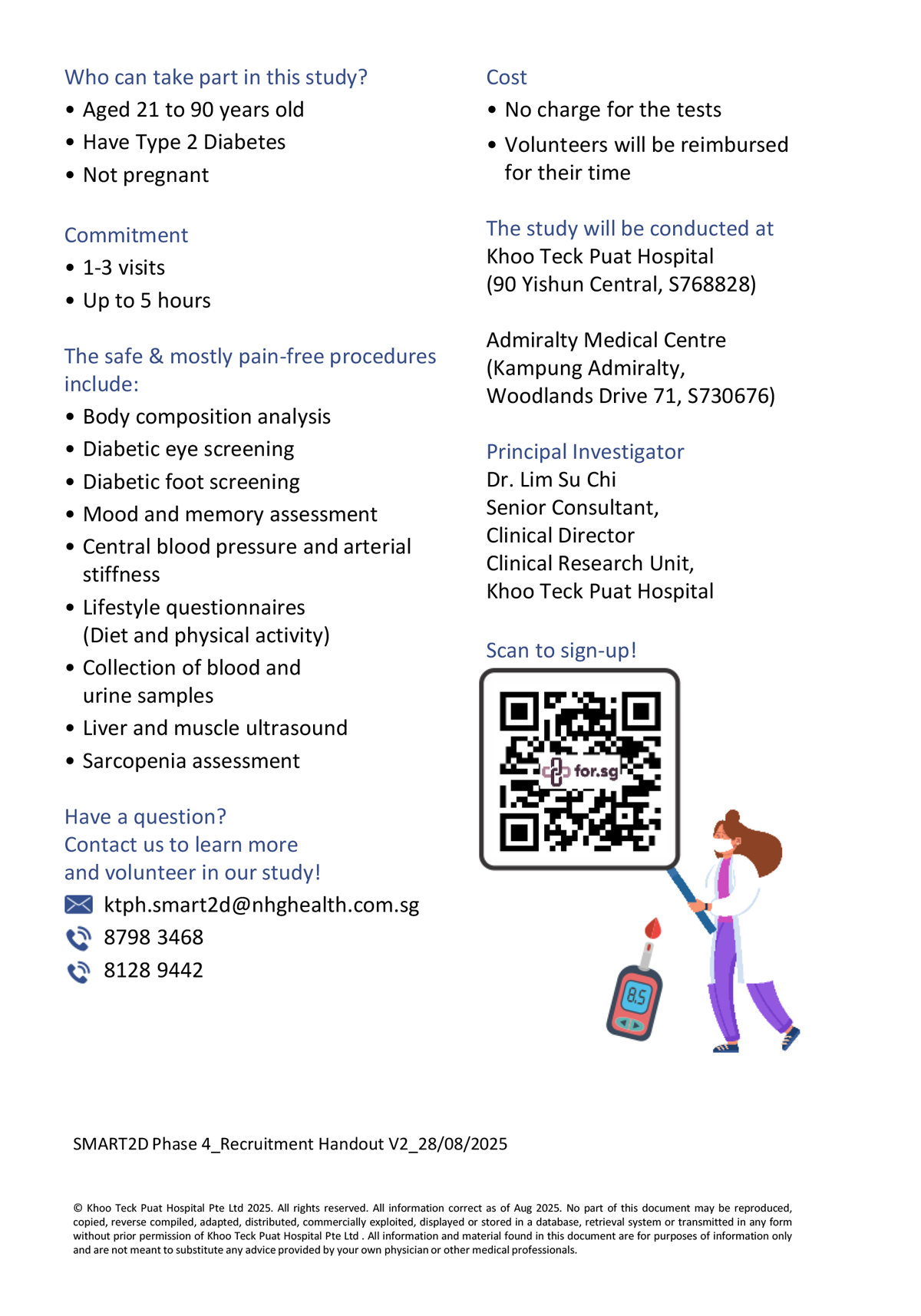
We are currently in the 4th phase of our study and are recalling past research volunteers of the SMART2D and DORIS studies who had taken part between 2011-2024 to participate in a follow-up study. Our main goal is to explore how diabetes, obesity, muscle loss, and heart or kidney problems are connected, especially in Asians with Type 2 Diabetes.
Information
Eligibility:
Aged 21 to 90 years old
Have Type 2 Diabetes
Not pregnant
Contact :
8798 3468
8128 9442
Email:
ktph.smart2d@nhghealth.com.sg
Time:
Monday - Friday,
2pm - 4.30pm
MODY (Maturity-Onset Diabetes of the Young) is a form of monogenic diabetes that is caused by a single gene abnormality (mutation). Our research study aims to identify potential MODY patients for genetic testing in order to determine the mutation which will help doctors better understand the disease and treat the patients. The MODY Registry provides a platform to gather information for further studies of monogenic diabetes that will serve the interests of patients and healthcare providers.
Information
Principal Investigator:
A/Prof Lim Su Chi
Senior Consultant, Diabetes Centre
Clinical Director, Clinical Research Unit, Khoo Teck Puat Hospital
Recruitment Period:
Until 2 September 2026
Eligibility:
Age 0-99 years
Diabetes diagnosed at 35 years old or less
Additional criteria applies (eligibility to be confirmed by study team)
Cost:
For eligible and consented participants:
No charge for tests performed as part of the study
One-time transport reimbursement provided
Contact:
9839 9844 (Lovynn)
9755 2352 (Yuzhen)
Email:
ktph.mody.registry@nhghealth.com.sg
Time:
Monday - Friday,
9am - 12pm or 2pm - 4.30pm
Collection, use and disclosure of your personal data shall be in accordance with our privacy policy
Information
| Study Title | The Achilles in Familial Hypercholesterolemia | FHCARE Collaborative Database for Genotype-Phenotype FH | AI for Enhanced Screening and Management of Familial Hypercholesterolemia |
| Recruitment Period | Until 20 March 2027 | Until 31 March 2030 | Until 31 March 2030 |
| Inclusion Criteria | 1) Singaporean/ Permanent Resident. 2) Age 21 - 70 y/o. 3) Fulfil at least one of the following (LDL-C reading of within 1 year for verification): (a) Healthy participants with LDL-C ≤ 3.3mmol/L or Total Cholesterol ≤ 5.2mmol/L. (b) *Participants with hyperlipidemia, LDL-C ≥ 4.1mmol/L with a confirmed positive/ negative genetic diagnosis of Familial Hypercholesterolemia. | 1) Singaporean/ Permanent Resident. 2) Age 1 - 99 y/o. 3) Fulfil at least one of the following: (a) A confirmed genetic test diagnosis of LDLR, ApoB, PCSK9 or LDLRAP1 (b) A Dutch Lipid Clinical Network score (DLCN) of at least 3/ Possible FH (c) LDL-C of ≥ 4.9 mmol/L for above 40 y/o, or LDL-C of ≥3.5mmol/L for children below 12 y/o (d) Clinical FH diagnosis by referring physician. 4) Participants from Genetic Assessment Centre (GAC) and FH FAMILY Programme. | 1) Singaporean/ Permanent Resident. 2) Age > 21 y/o. 3) Fulfil at least one of the following: (a) LDL-C > 4.9 mmol/L (b) A Dutch Lipid Clinical Network score (DLCN) of at least 3/ Possible FH (c) Clinically suspect for FH 4) Participants from Genetic Assessment Centre (GAC) and FH FAMILY Programme. |
| *One of the ways to obtain an FH genetic report is through a referral to the GAC and FH FAMILY Programme. For any queries, please email: ktph.nhg.gac@nhghealth.com.sg . | |||
| Exclusion Criteria | 1) Pregnant women. 2) Patients without sufficient mental capacity to consent (dementia, mental illness, neurological conditions etc.). | 1) Pregnant women. 2) Patients without sufficient mental capacity to consent (dementia, mental illness, neurological conditions etc.). | 1) Pregnant women. 2) Patients without sufficient mental capacity to consent (dementia, mental illness, neurological conditions etc.). 3) Patients with underlying malignancy. 4) Nephrotic syndrome (urine protein >3g/day). 5) Hypothyroidism (TSH>5mIU/L). 6) Primary biliary cirrhosis. 7) Participants who have had prior genetic tests for FH. |
| Procedures involved in the study | 1) Data collection. 2) Vernier callipers to measure external Achilles tendon width. 3) Ultrasound machine to measure external Achilles tendon width. 4) Pulse Wave Analysis (PWA) and Pulse Wave Velocity (PWV) measurements (Only for participants with HLD). 5) Blood collection for in depth analysis, including genetic testing (Only for participants with HLD). 6) Body mass composition measurement (Only for participants with HLD). | 1) Data collection. 2) Left over blood from GAC or FH FAMILY Programme for future research. 3) Additional blood collection for future research (Optional). 4) Photo taking of physical signs associated with FH or high cholesterol (Optional). | 1) Data collection. |
| Read more from the brochure | The Achilles in Familial Hypercholesterolemia Research Study | FHCARE Collaborative Database Research Study | Nil |
We are only recruiting participants who meet the eligibility criteria to be part of our registry (data collection).
All research studies will require an informed consent form to be signed and data to be collected. Contact us if you are keen to join a research study.
Email:
ktph.cholesterol.info@nhghealth.com.sg
Time:
Monday - Friday,
9am - 12pm or 2pm - 5pm
Collection, use and disclosure of your personal data shall be in accordance with our privacy policy.
You may contact the study teams for specific studies as listed in the recruitment posters above.
Alternatively, you may click here to register your interest to be part of our research volunteers database. We will contact you when there is a suitable study.
Participant Information & Rights
Association for the Accreditation of Human Research Protection Programs
For our efforts in achieving a high standard for ethics, quality and protection of people in research, KTPH is one of the few institutions in Singapore to be awarded the Full Accreditation by the Association for the Accreditation of Human Research Protection Programs (AAHRPP).
AAHRPP is a non-profit organisation that accredits institutions conducting research for achieving high quality of research work and protection of participants.
To attain the accreditation, KTPH has to submit report on its Human Research Protection Programs and undergo stringent on-site review by a team of experts from AAHRPP at scheduled intervals. For more information, please visit AAHRPP website.
ICH E6(R2) Good Clinical Practice (ICH E6 GCP) Guidelines
At KTPH, the wellbeing and safety of research participants take precedence above all our activities. To ensure the protection of our participants in clinical trial and reliability of clinical trial results, KTPH adheres to the guideline provided by the International Council for Harmonisation of Technical Requirements for Pharmaceuticals for Human Use (ICH). For more information and copy of the guidelines, please visit the ICH website.
All clinical research or clinical trials require ethics approval prior to commencement.
Frequently Asked Questions
Clinical research refers to the entire process whereby a drug is incepted in the lab and eventually introduced to the consumer market. Promising drug candidate identified in lab is subjected to pre-clinical studies and animal studies for safety and toxicity tests before permission from regulatory authorities is obtained to initiate trials on human subjects.
There are four phases of clinical trials, each having a different aim.
Phase I – Phase I studies are the first stage of testing in human subjects to test for the safety, tolerability and the general mechanism of action of the drug in humans. The drug is administered to a small number of healthy volunteers to determine the dose tolerability in human subjects. Currently, KTPH does not conduct Phase I studies.
Phase II – Phase II studies determine the efficacy of the drug or device with volunteers with a specific disease.
Phase III - Phase III studies determine the safety and efficacy of the investigational drug or device in different clinical settings. The outcome of the trial would be used for the basis of labeling in the market.
Phase IV – Phase IV studies determine long term safety and new indications to the label after it is cleared by regulatory authorities for marketing.
All clinical trials have guidelines on participants of clinical trials called the inclusion/exclusion criteria. These criteria are based on factors like age, gender, the type and stage of a disease, previous treatment history and other medical conditions. It is important to note that inclusion and exclusion criteria are not used to reject people personally. Instead, they are used to identify appropriate participants to ensure their safety and well-being. The criteria also help to ensure that researchers will be able to answer the questions they plan to study.
Benefits:
Well-designed and well-executed clinical trials are the best approach for eligible participants to:
Play an active role in their healthcare by speeding up potentially more effective new treatments
Contribute to research efforts that can lead to potentially better health treatment for themselves and their future generation
Gain access to new and potentially more effective treatment before they are widely available
Receive expert medical care at leading health facilities during the trial
Risks:
Clinical research, like medical treatments, always involve risks.
There may be unpleasant, serious or even life-threatening side effects resulting from the treatment.
The new treatment may not be as effective as currently available treatments.
All clinical trials are regulated by the Medicines Act 1975 and the Medicines (Clinical Trials) (Amendment) Regulations 1998. In addition, research studies conducted in KTPH must seek ethics approval from an independent ethics committee called the Domain Specific Review Boards (DSRB). The committee includes medical doctors, paramedical staff, statisticians and volunteers from the public who collectively review all research proposals. The rights, safety and wellbeing of trial participants are the most important considerations and prevail over interests of science and society.
Before a trial is initiated, a detailed research proposal is to be submitted for ethical review to the DSRB. As a clinical trial progresses, study status reports will be submitted periodically to DSRB and if necessary, random audits will be conducted to ensure protocol compliance. Individual participants’ names will not be reported to protect participants'confidentiality.
Before participating in a trial, potential participants should know as much as possible about the trial. He or she should feel comfortable raising questions and concerns pertaining to the trial to the study team. Below is a list of some questions that can help in understanding a trial before participating:
What is the purpose of the study?
Why do researchers believe the new treatment being studied may be effective, or more effective than standard treatment? Has it been tested before?
What kinds of tests and treatments are involved?
Were there any serious side effects in pre-clinical studies?
How do the possible risks, side effects and benefits in the study compare with my current treatment?
What minor side effects should I be aware of?
How might this trial affect my daily life?
How long will the trial last?
How will I know that the treatment is effective? - Will results of the trials be provided to me?
Will I be informed of updates in any new available treatment?
Will hospitalization be required?
Who will pay for the treatment?
Will I be reimbursed for expenses?
Can I withdraw from the trial after it has begun?
Will I be denied medical care if I withdraw from trial?

