
Smoking and Vaping
Take the First Step
If you or someone you know is struggling with smoking and vaping, take the first step towards a healthier life.
Contact NAMS today to schedule a consultation to learn more about our cessation program.
Smoking tobacco and vaping nicotine products are common forms of addiction with serious health consequences. Nicotine, a highly addictive substance found in cigarettes and electronic vaporisers (also known as e-cigarettes (e-cigs), e-vaporisers or vapes), affects both the brain and body. Frequent use of nicotine products can lead to dependency and withdrawal symptoms when one attempts to quit.
Recognising these signs and symptoms is crucial for understanding smoking addiction. If you or someone you know exhibits these signs and wants to quit smoking, get support early.
Common Signs and Symptoms:
Craving and dependence
- Intense urge or persistent craving to smoke regularly throughout the day, often in secret or away from adults.
- Developing a dependence on smoking to feel normal or to cope with stress, emotions, or other mental health concerns.
Physical dependence
- Experiencing withdrawal symptoms such as irritability, anxiety, poor concentration, restlessness, increased appetite, and insomnia when attempting to quit or reduce nicotine use.
Tolerance
- Developing a need to smoke more over time to achieve the desired effect.
Behavioural symptoms
- Spending a significant amount of time smoking, thinking about it, or recovering from its effects.
- Continuing to smoke despite knowing the health risks and wanting to quit.
- Giving up on social or recreational activities to smoke.
- Prioritising smoking over other activities, such as schoolwork, work, hobbies, home responsibilities, or socialising.
- Feeling a strong need to smoke to feel calm or relieve stress.
Health effects
- Persistent cough, shortness of breath or difficulty breathing.
- Reduced stamina and overall physical fitness.
- Bad breath and yellowing of teeth and fingernails.
- Increased heart rate and blood pressure.
Social and peer influence
- Associating with peers who smoke or feeling pressure to smoke to fit in.
- Using smoking as a way to gain acceptance or cope with peer pressure.
Vaping devices, commonly known as e-cigarettes, have gained widespread popularity among youth and adults. These devices contain e-liquids (or e-juice) that combine flavourings, toxic chemicals, and dangerous heavy metals. Despite marketing claims positioning them as a 'safer' alternative to traditional cigarettes, vaping products pose significant health risks, particularly for individuals who develop dependency on the nicotine commonly present in e-liquids.
How Vaping Works
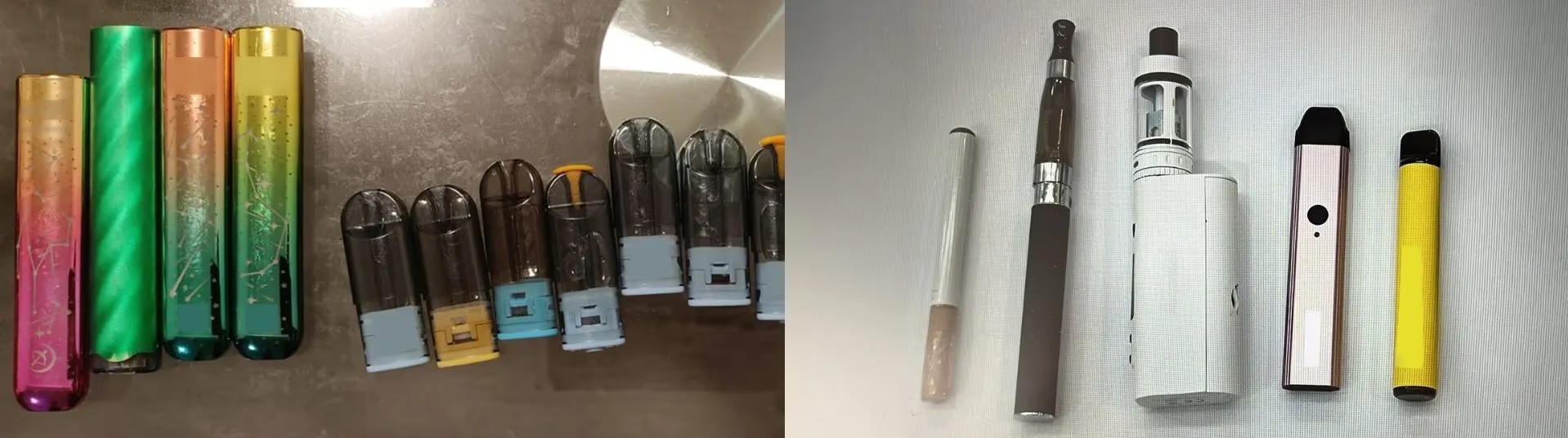
Vaping involves inhaling and exhaling vapour produced by electronic devices. These devices heat e-liquid to generate vapour, which users then inhale through the mouthpiece.
Types of Vaping Devices:
- E-cigs
- Vape pens
- Vape mods
- Pod systems (e.g., Juul)
- Vape tanks
At NAMS, we are committed to providing support and resources for individuals looking to understand and address their smoking and vaping habits:
- Assessment and consultation: Our clinicians conduct assessments to understand the extent of addiction and develop personalised treatment plans.
- Nicotine Replacement Therapy (NRT): We offer evidence-based therapies like nicotine patches or gum to reduce withdrawal symptoms and cravings.
- Counselling and therapy: Our counsellors work with users to address the psychological aspects of addiction, develop effective coping strategies and build resilience.
For more information on vaping, visit: www.gov.sg/stopvaping/
What Is Etomidate?
- Etomidate is an anaesthetic agent used to induce sedation.
- It is a controlled drug under the Poisons Act. This means it can only be used by licensed medical professionals.
- Under the Poisons Act, those caught possessing, using or trafficking pods containing etomidate face a maximum fine of $10,000 and a prison term of two years.
What Are Etomidate-Laced Vapes (Kpods)
Etomidate-laced vaping devices, commonly known as 'Kpods', are modified vape pods mixed with etomidate.
How to Identify Kpods
- Laboratory testing of the vape liquid is the only definitive way to detect etomidate.
- Because we don't know the harmful chemicals found in vapes, it is best to stop using vapes to avoid affecting your health.
- If you suspect that you might have inhaled etomidate, or if you experience symptoms such as sudden drowsiness, confusion, dizziness, poor coordination, tremors, or involuntary movements after vaping, see a doctor immediately as these could indicate exposure
What Are Signs That Someone Is Intoxicated On Kpod
Individuals who are intoxicated on Kpod may experience symptoms such as:
- Drowsiness
- Confusion
- Dizziness
- Loss of body coordination
- Tremors
- Involuntary movements
These symptoms may make users prone to falls. Research literature also showed that some individuals might experience psychiatric symptoms such as aggression and agitation, rapid shifts in moods and even suicidal ideation.
How Would I Know If My Child Is Using Kpod
You can watch out for signs or behaviours such as:
- They start losing interest in their favourite or regular activities in their life
- Change in their sleeping patterns whether it is sleeping too much or too little
- Change in their eating habits
- Request often or even demand for money from you
- They may hide in their room or avoid family functions or interact with their friends
- Sudden drop in work or school performance
- They become more and more isolated from friends and family
- They get easily agitated when family checks on them
- They may appear unsteady or sleepy or even have issues with motor coordination.
Other side effect of Kpod may also include nausea and vomitting, uncontrollable movement or spasm of muscles, changes to breathing and blood pressure, seizures and psychotic symptoms which may potentially endanger a person life.
For more information on vaping, visit: www.gov.sg/stopvaping/
When to Seek Treatment
- Vaping poses significant health risks, and we strongly encourage users to seek professional help promptly. Early intervention is crucial for better recovery outcomes.
- When stopping vaping, individuals may experience withdrawal symptoms including irritability, anxiety, restlessness, and strong cravings. There may be other potential medical complications. If the individual experiences such symptoms and feels unwell, please seek medical help at a general hospital.
Seeking Help
Early recognition of these warning signs is essential for addressing etomidate-laced vaping use and preventing serious health complications. If you or someone you know exhibits these symptoms or is struggling with Kpod use, immediate professional intervention is crucial.

The rise of vaping among youth and young adults has reached epidemic levels. Several factors contribute to this rise:
- Appealing flavours: Flavoured e-liquids, ranging from fruity to dessert flavours, are particularly attractive to younger demographics.
- Convenience and discreetness: Vaping devices are easy to conceal and allow for discreet use in various settings.
- Influence of social media: Advertisements on social media platforms normalise and popularise vaping.
Despite these factors, the signs and symptoms of vaping often mirror those of smoking addiction:
- Compulsive use: Persistent and frequent use of vape devices, sometimes inappropriately or in prohibited settings.
- Nicotine dependence: Having to vape regularly to achieve desired effects and maintain nicotine levels in the body.
- Withdrawal symptoms: Experiencing irritability, anxiety, restlessness, and strong cravings when unable to vape.
- Financial impact: Spending substantial amounts of money on vape devices, e-liquids, and accessories.
- Physical effects: Symptoms such as dry mouth, throat irritation, coughing, and shortness of breath, which may indicate the potential respiratory health issues from vaping.
- Difficulty quitting: Repeated unsuccessful attempts to cut down or quit vaping.
Do You Know?
Vaping, once believed to be safer than smoking, poses many significant health concerns:
- Nicotine dependency: Many vaping products contain nicotine, leading to cravings and dependence.
- Health risk: Chemicals in e-liquids may harm lungs and cardiovascular health, with long-term impact still largely unknown.
- Unknown chemical exposures: E-liquids contain various chemicals, including flavourings and additives, whose long-term health impact are not fully understood. Some flavourings may contain harmful substances.
- Substance contamination: Vapes may be laced with illegal substances such as etomidate and other synthetic drugs, putting users at risk of consuming unknown and potentially dangerous chemicals.
- Youth appeal: Nicotine exposure during adolescence can harm brain development and increase the risk of future addiction.
- Gateway to smoking: There is concern that vaping may serve as a gateway to traditional cigarette smoking or other substance abuse among youth who otherwise would not have initiated these behaviours.
Seeking Help
Recognising these signs early is crucial for addressing vaping addiction and promoting healthier behaviours among youth and young adults. If you or someone you know exhibits these signs and wants to quit vaping, getting support early is important.
Information and Advice for Clinicians
Addressing the health risks associated with vaping requires a concerted effort from healthcare professionals. By staying informed and employing evidence-based strategies, clinicians can effectively support patients in overcoming vaping addiction and promoting healthier lifestyles.
For detailed clinical guidance on caring for people who vape, please download the resource here.
It’s important to making health-conscious choices using evidence-based information. Let’s explore and clarify common misconceptions surrounding smoking and vaping.
Myth: Smoking occasionally is not harmful.
Fact: Any amount of smoking is harmful. Even occasional smoking can still damage blood vessels, impair lung function and increase the risk of cardiovascular disease.
Myth: Smoking and vaping helps manage stress.
Fact: Although smoking or vaping may offer temporary stress relief, they actually increase anxiety and stress levels in the long term. Withdrawal symptoms between uses can also heighten stress levels.
Myth: Vaping is harmless: I am only inhaling water vapor with a vape.
Fact: Vape juice is not just water. It contains chemicals including vegetable glycerine, propylene glycol, nicotine, flavourings and other heavy metals such as lead and arsenic, that can harm the lungs and cardiovascular system. What you see when vaping is actually an aerosol with these chemicals suspended in the air. Studies have found that vaping can expose users to more toxic metals than cigarettes.
Myth: Vaping is better than smoking and will help me quit smoking.
Fact: While some adults use e-cig to quit smoking, evidence on their effectiveness is mixed. E-cigs are currently not recognised by the World Health Organization as a legitimate cessation aid as there are not conclusive scientific evidence proving their safety and efficacy. Vaping can cause nicotine addiction in individuals who have never smoked traditional cigarettes and are more likely to pick up cigarettes smoking later in life.
Myth: The second-hand smoke is harmless and will not harm my family.
Fact: Second-hand vape aerosols from e-cigs, like second-hand smoke from cigarette, can be inhaled by your loved ones. These aerosols contain harmful substances, including nicotine as well as cancer-causing chemicals like formaldehyde and benzene. It is not safe for bystanders, especially children and pregnant women.
Myth: Vaping isn’t addictive; I can stop vaping anytime I choose to, with willpower alone.
Fact: Nicotine in e-cigs is highly addictive. Regular vaping can lead to nicotine dependence, withdrawal symptoms, and increased tolerance, similar to traditional smoking habits.
Myth: I will be reported to the authorities if I seek treatment for vaping.
Fact: The Ministry of Health stated in 2022 that individuals who wish to quit vaping will not be penalised when they come forward to seek professional help or participate in cessation programmes. There is currently no protocol to report individuals seeking help to authorities.
Myth: It’s too late to quit smoking.
Fact: It is never too late to quit smoking and start a healthy lifestyle. Quitting smoking at any age improves health and reduces the risk of smoking-related diseases.
Understanding the facts about smoking and vaping is crucial for making informed decisions about health. For support in quitting smoking or addressing vaping addiction, seek guidance from healthcare professionals.
Benefits of Quitting
Quitting smoking and vaping offers numerous health benefits, including:
- Improved respiratory health
- Cardiovascular benefits
- Enhanced overall well-being
