Overview
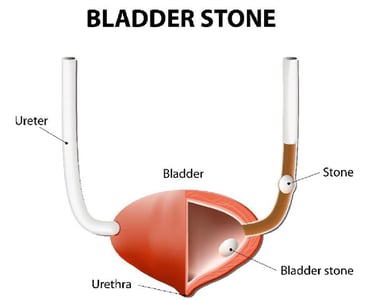
What are Urinary Stones?
The function of the kidneys is to filter waste chemical compounds from the body into the urine.
Under certain conditions, chemicals (such as calcium, oxalate, phosphate, uric acid and others) in the urine may crystallise and combine to form urinary stones.
Urinary stones may block urine flow and affect the function of the kidney.
Causes
The risk of urinary stone disease is increased when there is:
Diet
- Low intake of fluids
- High intake of foods rich in salt (sodium), purine and oxalate
Hereditary
- Family history of kidney stones
Medical
- Individuals with certain medical conditions are at increased risk of developing kidney stones.
- Hypercalcemia
- Gout
- Renal tubular acidosis
- Chronic diarrhoea
- Bowel disorders
Anatomical
- Structural abnormalities in the urinary system leading to obstruction of urine
Not all individuals with urinary stones will experience any symptoms. Common symptoms of a kidney stone include:
- Cramping pain which radiates from around the kidney to the lower abdomen
- Painful urinary urgency
- Blood in the urine (haematuria)
- Recurrent urinary tract infections
Prevention
Target fluid intake about 2 litres a day for those who are at risk of stone formation. A good way to gauge whether you are drinking enough is when your urine is colourless.
Depending on your condition, your doctor may request for you to reduce intake of particular types of food:
- Reduce salt intake
- Reduce High-Purine* Foods (e.g. Red meat, organ meats, shellfish)
- Reduce High-Oxalate^ Foods (e.g. Spinach, peanuts, chocolate, black tea, sweet potatoes)
- Reduce Medium-Oxalate^ Foods (e.g. Celery, green pepper, raspberries, strawberries, grapes, liver)
* A purine-rich diet can raise uric acid levels in the body, leading to conditions such as urinary stones.
^ Oxalate is naturally found in some foods and exits the body through urine. Too much oxalate can cause urinary stones.
Detection & Treatment
Diagnosis
Imaging of the urinary tract could be done via:
- X-ray
- Ultrasound
- Intravenous Urogram (IVU)
- Computerised Tomography (CT) scan
- Additional urine and blood tests may also be done.
Treatment may vary depending on the stone location, size, number and patient factors such as age and fitness. Some of the treatment options include:
- Observation and Medical Therapy (Dissolution/Medical Expulsion Therapy)
- Extracorporeal Shock Wave Lithotripsy: Involves focused shock waves that passes through the body to hit the stones, breaking the stones into smaller pieces.
- Ureteroscopic Lithotripsy and Retrograde Intrarenal Surgery: Both involve minimal invasive surgery to treat stones in the ureter.
- Percutaneous Nephrolithotomy: This is done under general anaesthesia with a small incision in the back for insertion of a tube into the kidney. Through the tube a scope can be inserted to fragment and remove the stone.
- Cystolitholapaxy
- Laparoscopic/Open Surgery
Specialties & Services

