Overview
What are Toe Deformities?
Poor diabetes control can damage the nerve supply to the feet and result in muscle imbalance. This leads to joint and toe deformities over time.
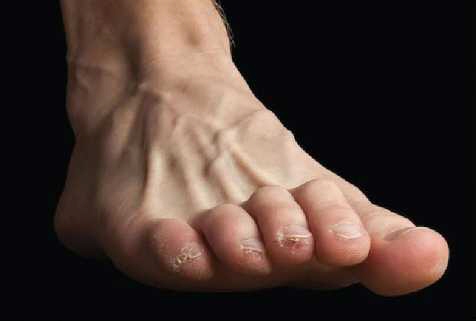
Claw toe is a toe deformity where the toe is bent or curled into a "claw" shape.
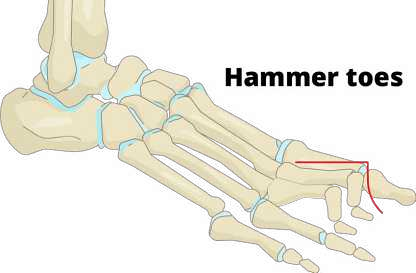
Hammer toe is another form of toe deformity with an abnormal bend in the middle joint of the toe, resembling a "hammer". It commonly affects the second or third toes.
Prevention
How can I prevent my toe deformities from worsening?
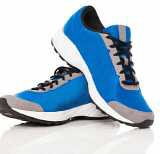
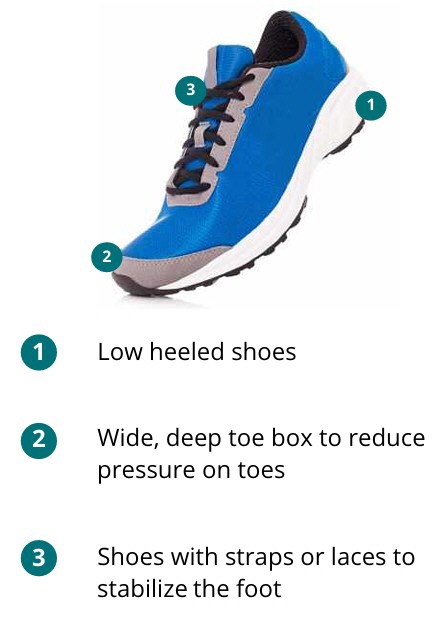
You can wear shoes that are supportive to avoid overworking your muscles. We recommend wide toe box, low heel and good arch support shoes.
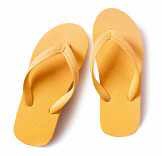
Footwear that do not provide sufficient support may force your toes to grip on the footwear, and may result in the changes in shape of toes (deformity) in the long run.
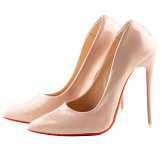
Avoid wearing narrow and high-heel shoes which can exert excessive pressure on the toes
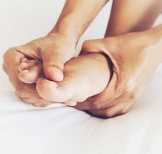
You can perform toe exercises to strengthen and stretch your toes. However, these exercises do not correct the deformities. They can potentially reduce the risk or slow down its progress.

Treat any underlying condition that can precipitate the development of toe deformities.
Detection & Treatment
Consult your healthcare professional or podiatrist
There are surgical options for correcting toe deformities depending on the severity. Do discuss with your healthcare provider who may refer you to an orthopaedic surgeon for further assessment and recommendation.
Care Management
What can I do?

It is important to have your footwear brought along during your regular foot checks for review of appropriateness.
Good footwear features:

Your healthcare professional or podiatrist may advise you on the need for shoe inserts (insoles) or pads to help address the uneven pressure and pain
When should I seek medical treatment?
Specialties & Services

