Overview
What is Systemic Lupus Erythematosus (SLE)?
SLE is an autoimmune disease that causes chronic inflammation to many different body systems. The symptoms vary according to the types of body systems affected. Frequently affected body parts include joints, skin, kidneys and blood cells. Less frequent affected body systems and parts are the nervous system, heart, lungs and intestines.
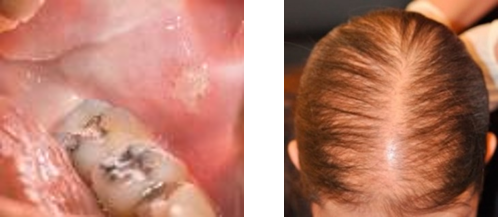
Left: Oral ulcer.
Photo retrieved from Lupus UK.
Right: Alopecia.
Photo retrieved from British Medical Journal.
Causes
What Causes SLE?
SLE occurs when the body's immune system starts producing antibodies that attack its own organs (known as auto-antibodies). The precise cause of SLE is unknown and is likely to be caused by a combination of factors that include genetics, abnormal immune systems and environment (e.g. exposure to sunlight).
Who Gets SLE?
- Nine times more common in women than in men
- Symptoms usually start appearing between the ages of 15 and 45, but young children and elderly can be affected too
- Asians and Afro-Americans are more prone to developing the disease than Caucasians and the disease is more severe in these populations
What are the Symptoms and Signs of SLE?
Symptoms and signs of SLE vary according to the body systems affected and may suddenly appear within weeks or develop slowly over months. Disease severity also varies between people.
Symptoms and signs include:
- Fever, fatigue and weight loss
- Joint pain, stiffness and swelling (usually hands and feet), muscle ache
- SLE rash (e.g. butterfly-shaped rash on the face that worsens on sun-exposure as seen in the cover photo), coin-shaped rash (discoid lupus)
- Hair loss, mouth ulcers and easy bruising
- Raynaud's phenomenon: fingers turning white or blue easily due to cold temperature and emotional stress
- Chest pain when breathing, shortness of breath
- Swelling around eyelids, feet and legs; bubbles in the urine
- Abdominal pain/cramps, change in bowel habits
- Headache, memory change, drowsiness, mental disorders, strokes, paralysis, fits, weakness
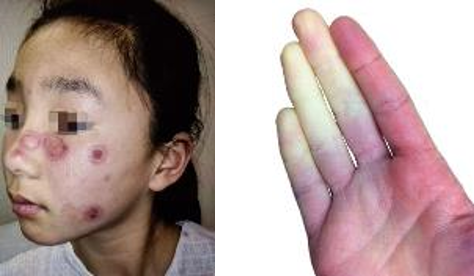
Left: Discoid lupus.
Photo retrieved from Longitudinal Observation of Paediatric Dermatology Patients.
Right: Alopecia.
Photo retrieved from Lupus UK.
Detection & Treatment
How is SLE Diagnosed?
Diagnosing SLE can be challenging and often require multiple visits to the doctor. Evaluation involves taking a detailed history, physical examination, and laboratory tests. Additional tests may be required depending on the type of body system affected. Common tests performed are:
- Full blood count, renal panel and liver function tests
- Inflammatory markers tests
- Urine tests
- Auto-antibodies tests (e.g. ANA, anti-dsDNA, anti-Sm)
- Electrocardiograms (ECG)
- Chest X-rays
Sometimes, further imaging (e.g. CT scan of lungs and abdomen), skin biopsy and kidney biopsy may be required. Patients with SLE are also at risk of developing other autoimmune diseases like Sjögren's syndrome and anti-phospholipid syndrome, which will require additional evaluation.
How is SLE Treated?
Effective treatment is available to control the disease and maintain remission. This comprises:
- Patient education
- Medication
- Lifestyle changes – quit smoking, sun avoidance, adequate rest
Medications
Higher doses of medications to control the immune system rapidly are usually used initially and tapered gradually when disease is quiescent. The dosages prescribed should be followed closely to prevent SLE flares.
- Corticosteroids: Often used at diagnosis in moderate to high doses to quickly control SLE (via oral ingestion or injection). Body creams can be used when skin is affected.
- Hydroxychloroquine: Useful to maintain control of SLE and in patients with mild disease (e.g. only skin and joint are affected).
- Immunosuppressants: Suppresses the immune system and replaces the need for long-term corticosteroids.
- Biologics: Medical products that are extracted or produced from biological sources. They are expensive and reserved for SLE that is not controlled by conventional therapy.
- Antibody injections [Intravenous immunoglobulins (IVIg)]: Used for treating SLE when the usual immunosuppressants should be avoided as advised by your doctor (e.g. if you have severe infections).
Lifestyle changes
- Get adequate rest and sleep
- Avoid sun-bathing, stay out of the sun completely between 9am – 5pm; use sunblock (at least SPF 50) and wear protective clothing
- Exercise regularly; don't overstrain your body
- Balanced diet; avoid raw/partially cooked food
- Do not smoke; avoid excessive alcohol intake
Care Management
What is the Outlook for SLE?
There are currently effective treatment available to control SLE and many people are leading a relatively meaningful and productive life. This includes having your own children.
Pregnancy and SLE
Pregnancy is generally safe in patients with mild SLE, but should be avoided for those with more severe SLE until it is well controlled. In addition, certain drugs may cause damage to the unborn child and should be avoided if pregnancy is planned. To ensure the safety of yourself and your unborn child, please work closely with your doctor on family planning.
Coping and Support for SLE
People with SLE often find the condition stressful to deal with and experience anxiety, depression and frustration. Coping strategies include
- Learning more about SLE
- Support from family, friends and employers
- Joining support groups to learn from others who have SLE, e.g. Lupus Association Singapore: http://lupus.sg/membership/

Scan here for more information on Lupus Association Singapore
Specialties & Services

