Overview
Stress is the feeling of pressure, strain or tension that comes from dealing with challenging situations. It is a part of life and it happens to everyone. However, whether a situation is considered stressful varies from person to person. Knowing what you personally find stressful can help you cope better in life.
Obsessive compulsive symptoms are also found in people diagnosed with other psychiatric and neurological disorders, such as Tourette's syndrome, Autistic Spectrum Disorder, epilepsy, head trauma and front ear lobe lesions. These signs and symptoms are distressing, time consuming and significantly interfere with a person's normal routine, work, or social activities and relationships.
Causes
Stress can come from every aspect of life.
Common sources include:

Personal life
- Going through a divorce
- Death of a loved one
- Suffering from an illness
- Financial problems
- Other major changes at home or in life

Environment
- Weather
- Traffic
- Overcrowding
- Noise

Work
- Meeting deadlines
- Conflicts with bosses or co-workers
- Handling multiple projects
Everyone reacts to stress differently. Being aware of the signs of stress can help you take steps to prevent it from getting worse. Here are some common manifestations of stress.

Physical signs
- Allergies
- Headaches
- Increased heart rate
- Back pain
- Digestion problems
- Stomachaches
- Restlessness

Emotional signs
- Irritability or easily angered
- Feeling anxious or fearful
- Moodiness
- Depression

Impact of stress on the individual
- Change in appetite
- Sleep problems
- Increased use of alcohol, other drugs or engaging in other addictive behaviours (such as gambling, sex or gaming) to avoid the stressful feelings
- Difficulty in concentrating
- Forgetfulness
- Increased negative thoughts
Prevention
Stress Management Strategies

Time management
- Find balance in your daily life by learning to manage time efficiently and prioritising tasks

Be realistic about what you can do
- Set realistic and achievable goals for yourself so that you do not become frustrated or discouraged
- Goal-setting is also a good way to get yourself started on organising and planning your time

Think positive
- Confront and lessen your stressful negative thinking such as unrealistic expectations, self-righteousness, a sense of entitlement, blaming, pessimism and doing things your own way
- Avoid being hard on yourself
- Identify some of your positive traits and be less critical of yourself
- Increase the amount of positive self-talk such as 'This is hard, but I can do it!'

Stay healthy
- Maintain a healthy lifestyle — eat well, get enough sleep, exercise regularly and avoid alcohol and drugs

Have a support system
- Develop a support system with friends, family members, peer support, or a spiritual group
- If necessary, seek professional help such as seeing a psychologist, counsellor or doctor
Detection & Treatment
Stress Reduction Techniques
Here are some useful techniques that you can practise to reduce stress. Choose those which best suit you and use them often for best results.
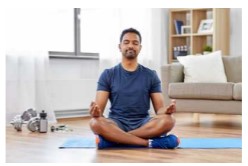
Relaxation exercises
- Learn to relax yourself through breathing and mental relaxation exercises such as visual imagery or meditation.

Physical exercises
- Engaging in exercises such as as jogging or playing sports not only strengthens your physical body but also reduces mental stress in a healthy and natural way.

Find a hobby
- Develop new and fun hobbies, such as taking up music lessons or cooking classes. These can take your mind off stressful events.

Make plans to manage stress
- Give yourself time to relax. Schedule meaningful and enjoyable activities and stick with it.

Maintain a sense of humour
- Instead of complaining about life's frustrations, try to laugh about them as laughing can relieve stress, pain tolerance and increase strengthen the immune system. The bottom line is that we are responsible for the way we feel, whether or not we feel stressed out and also how we choose to manage stress. Remember that we have the power to choose serenity over stress.

Get support
- It always helps to talk with someone who knows or cares about you. These include your family members, friends, co-workers and counsellors.

