Overview
What is Rhabdomyolysis?
Rhabdomyolysis is a condition in which damaged muscle releases its substances into the bloodstream.
This can lead to serious problems in the body, which include:
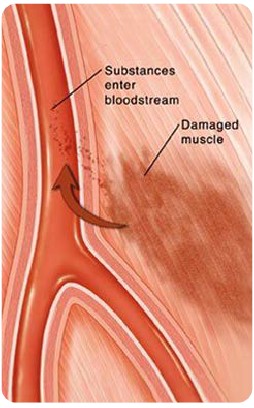
- Minerals imbalance in the blood as the body needs the correct amount of minerals to work properly.
- Kidney damage resulting form dangerous substances that are released during rhabdomyolysis.
Causes
Who is At Risk?:
More common in people who:

- Perform intense physical activities, especially in untrained individuals (non-athletes).
- Lie in the same position for long periods of time.
- Had direct muscle injury from trauma (external forces).
Less common but may occur in people who:

- Have different types of infections (e.g. bacteria, viral and fungal infections).
- Have muscle problems at birth.
- Consume certain drugs and toxins.
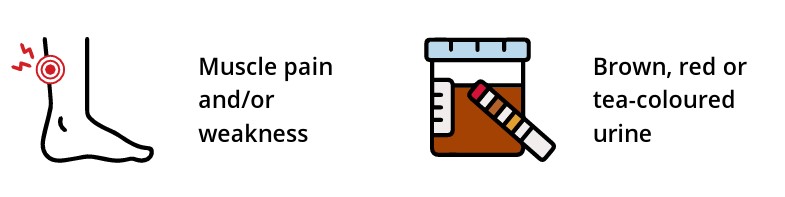
Some patients have no complaints, while other people may experience common symptoms that include:
Detection & Treatment
Is There a Test for Rhabdomyolysis?:
If rhabdomyolysis is suspected, your doctor may carry out blood, urine tests and check for any problems it has caused.
How can I be Treated?
Your doctor may provide treatments that include:

INTRAVENOUS HYDRATION:
This is done by delivering fluids into your veins via a thin tube, which helps to:
- Maintain sufficient urine production.
- Remove toxic substances from your body.
- Prevent kidney failure.

MEDICATIONS:
Medications can be given to control symptoms such as muscle aches.
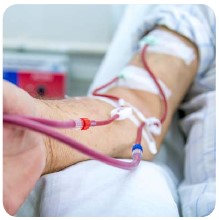
DIALYSIS:
This is a procedure which removes waste products and excess fluid from the blood when the kidneys stop working properly.
If supportive treatments as mentioned above are not enough to manage kidney damage, dialysis may be required.
Care Management
Home Care Advice:

Drink plenty of fluids to stay hydrated and avoid getting overheated.

Learn the signs and symptoms of rhabdomyolysis and ensure that you pass a good volume of urine (approximately one to two litres) each day.

Rest and AVOID physically intensive activities for a few weeks to a month (e.g. marathon running).
Specialties & Services

