Overview
Psychosis happens when a person loses touch with reality. It is not a specific illness, but rather a syndrome showing some degree of disturbance in perception and judgement. It is a distressing condition that affects a person's thoughts, feelings, communication, and behaviour.
Around 1 in 50 people experience a psychotic episode in their lifetime. When a person experiences psychosis, they may experience hallucinations where they hear voices or see things that do not exist, or disordered thinking or delusions which are false beliefs that they are going to be harmed or that people are talking about them.
Causes
Causes
The exact causation of psychosis is thought to be related to neurological and biochemical changes that occur in a person's brain during their teenage and early adulthood years. There are other factors such as genetics or the use of recreational drugs or a history of intermittent brief psychotic symptoms that may predispose someone to developing a psychotic disorder.
However, most people suffering from a psychotic disorder do not have these risk factors. If a person shows signs of psychosis and has these risk factors, it would be best to seek evaluation as soon as possible.
Some of these forms of disturbances show up as:

Perceptual disturbances such as feelings that things around have changed.

Mood disturbances such as anxiety, depression, mood swings, irritability, and anger.
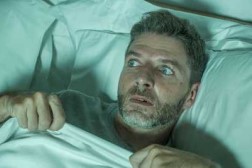
Cognitive disturbances such as poor attention and concentration, difficulties in thinking, suspiciousness, and unusual beliefs.

Behavioural disturbances such as change in sleep and appetite patterns, social withdrawal, loss of interest in things, deterioration in occupation and academic functioning.
Detection & Treatment
People can recover fully from psychosis as the condition is highly treatable. The sooner the treatment, the better the outcome of recovery.
There are also new and effective medicines, as well as improved treatment programmes now that optimize a person's recovery.
Besides medication, counselling, and psychotherapy, practical assistance such as getting help with school or work and arranging accommodation are other important aspects of treatment.
Care Management
Specialties & Services
News & Stories

