Overview
What is PAD?
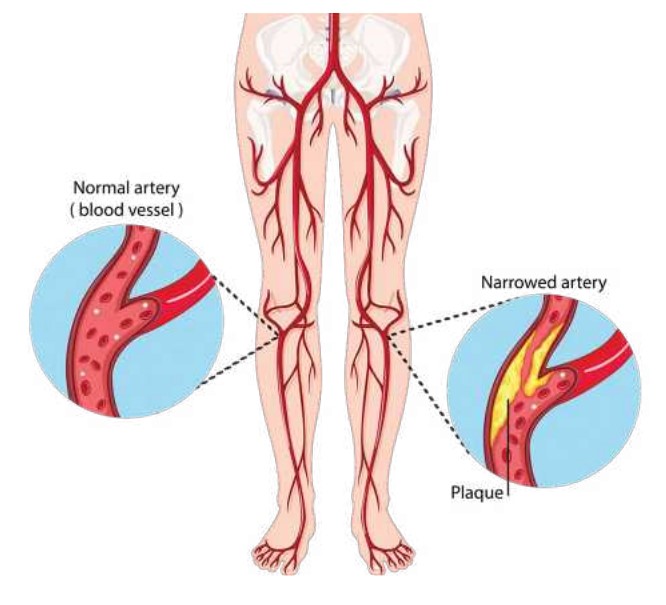
Peripheral artery disease (PAD) is a condition where there is narrowing of the blood vessels supplying the legs.
PAD reduces blood flow to the feet, weakens the skin, increases the risk of foot ulcer formation, and impairs wound healing.
It may cause pain, tiredness, cramp or aches in the calf when walking
Causes
What are the Risk Factors?:
- Chronic kidney disease
- Diabetes
- High cholesterol
- Hypertension
- Older age
- Smoking
Many people with peripheral artery disease may have little or no symptoms.
Symptoms may include the following:
- Pain, tiredness, cramp or aches in the legs or calves begins on walking and improves with rest. Sometimes people may describe it as tightness. Other sites that can be affected are thigh and buttock.
- Pain over feet at rest or lying down but relieves with hanging legs over edge of bed.
- Skin over foot/leg that is pale and cold to touch compared to the other side.
- Foot or leg wound or ulcer that is non-healing or slow in healing.
- Thin, shiny skin or skin without hair over the legs.
- Discolouration of toes or foot ranging from purplish to black.

Detection & Treatment
Is there a test for PAD?:
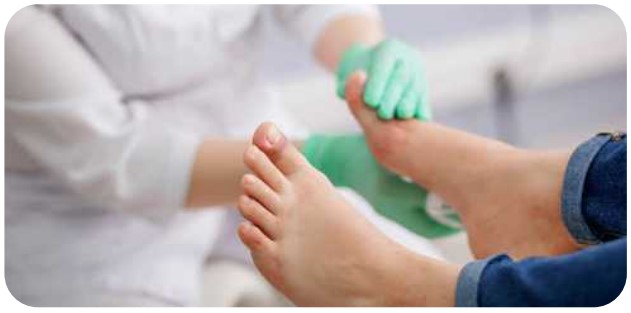
You are encouraged to have your diabetes foot screening at least once a year.
During the diabetes foot screening, blood circulation to your feet/legs will be assessed:
- Your pulses in your feet will be checked
- Blood pressure in your arm and big toe or ankle may also be taken
- Depending on the findings, your doctor may give you medications to improve your blood cholesterol level, thin your blood and relieve your pain
- Referral to specialist for blood vessel may be needed if you are experiencing pain on walking or at rest, or if you have a wound on your foot
What other treatments might I have?:
Along with exercising and getting medical conditions under control, most people are managed with medications to treat the risk factors of PAD (high cholesterol, diabetes and blood pressure).
Your doctor may also discuss with you on starting a blood thinner.
These treatments reduce your risk of getting a stroke and heart attack.
- The medicines used to treat PAD can reduce symptoms, increase blood flow to the legs, and help people walk further without pain.
- If you develop a foot wound, it is strongly recommended that you seek specialist help as soon as possible. You may require wound care, footwear review and/or therapies to improve blood supply to the foot (via ballooning (angioplasty), stenting, or bypass surgery) or atherectomy (a procedure to remove build up plaque blockages).
- If you develop severe PAD that causes significant pain and limits your activities, your vascular surgeon may also discuss with you therapies to improve blood supply.
Care Management
What can I do?:
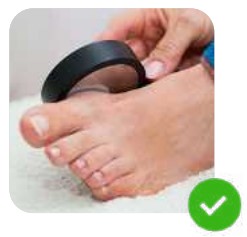
Check feet daily for skin discoloration, a break in the skin or a painful area. A mirror is helpful for seeing the soles of your feet.
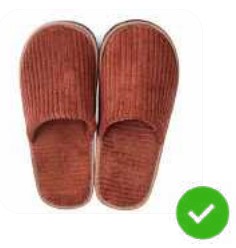
Protect your feet with well-fitting covered shoes and socks. Home sandals are recommended.
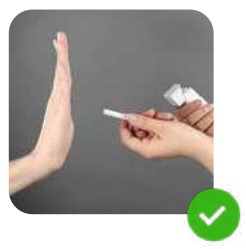
Stop smoking.

Get your diabetes, high blood pressure and high cholesterol under control through diet, exercise, medications and regular follow-up with your diabetes care doctor and team.
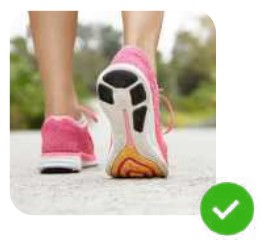
Continue an active lifestyle with regular exercise (e.g. walks). Consult your doctor, nurse, physiotherapist or podiatrist on which type of exercise is right for you.
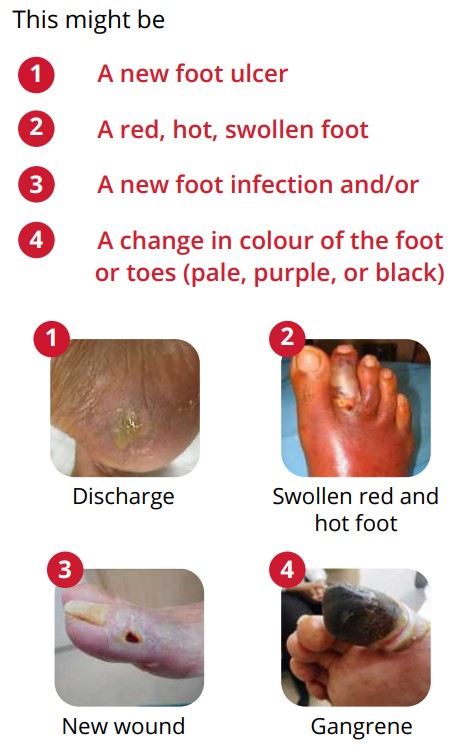
Seek immediate Medical Treatment when experiencing a "Foot Attack"!
A serious worsening of foot condition in a person with diabetes which you need to see a doctor immediately.
Specialties & Services

