Overview
Patellofemoral pain syndrome involves pain at the front of your knee, around your kneecap (patella). When the kneecap is not properly aligned, this can cause damage to the surroundings tissues.
Causes
Possible causes include:
- Overuse of knee
- Over-pronation of the foot (Flat feet)
- Larger than normal femoral angle
- Knee pain, especially when sitting with bent knees, squatting and going up and down stairs
- 'Popping' or grinding sensation when you move your knee
- Occasional knee buckling, in which the knee suddenly gives way
Prevention
- Stretch and strengthen your thigh muscles. This helps to keep the knee balanced and in proper alignment during activity.
- Wear shoes that fit well and have proper arch support. Ensure that your shoes provide good shock absorption.
- Increase the intensity and volume of your exercises gradually.
- Avoid sudden changes in the intensity of workouts.
Detection & Treatment
Treatment Available
- Anti-inflammatory medication
- Tapping
- Physiotherapy
- Orthotics (supportive braces/devices)
Care Management
Rehabilitation Exercises
-
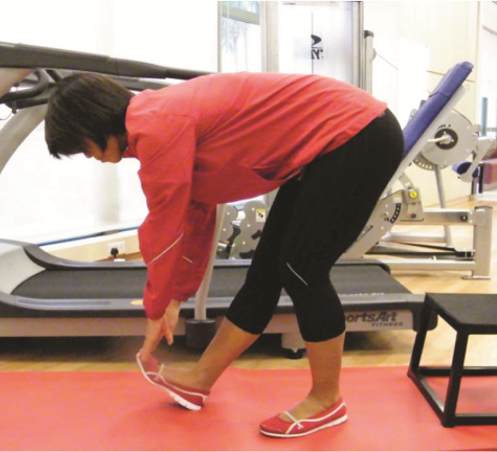
Standing Hamstring Stretch
Keeping your knees straight, lean forward and bend at the hips until you feel a stretch at the back of your thigh.
-
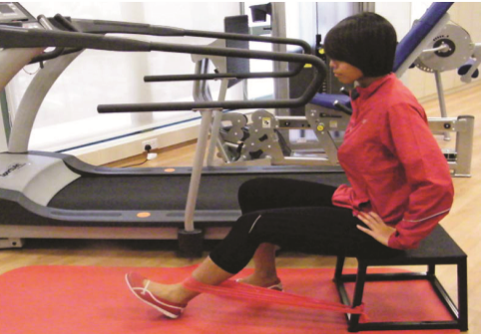
Knee Extension
Sit on a chair and place the resistance band around your ankle. Push your leg slowly upwards (by straightening it) and keep your thigh muscles tight.
-
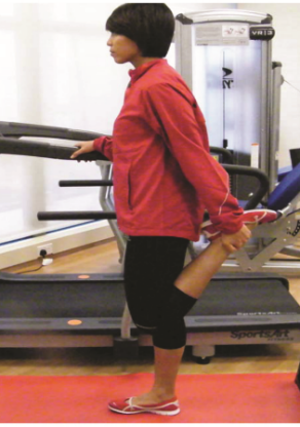
Quadriceps Stretch
With one hand, grasp your ankle and pull the heel toward your buttocks. Keep your knees close together.
-
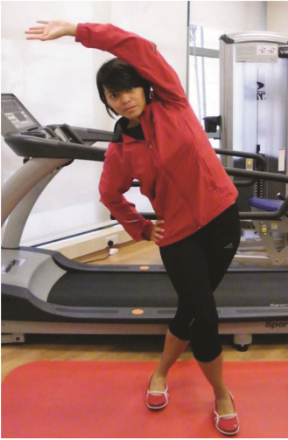
Iliotibial Band Stretch
Cross one leg in front of the other and lean in the opposite direction from the front leg
-
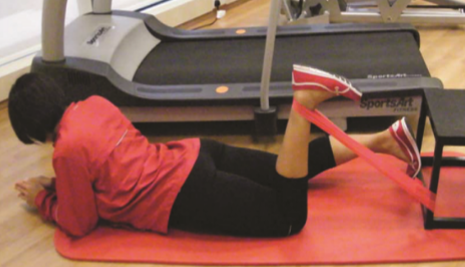
Hamstring Curl
Place band around your ankle and lie down on your stomach. Slowly bring your heel toward your buttocks.
-
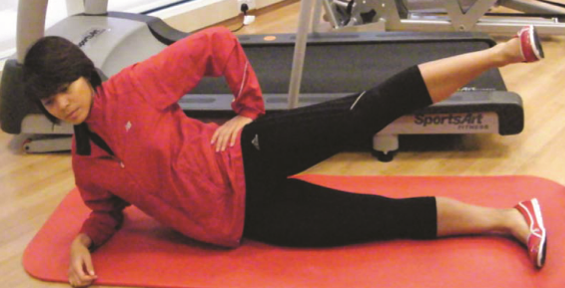
Side-lying Leg Lift
Tighten the front of your thigh muscles and lift this leg away from the other leg while keeping it straight.
-
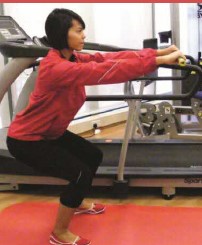
Squat
Lower your buttocks toward the floor until your thighs are almost parallel to the ground. This can be done with your back against the wall too.
Specialties & Services

