Overview
What is Optic Neuritis?
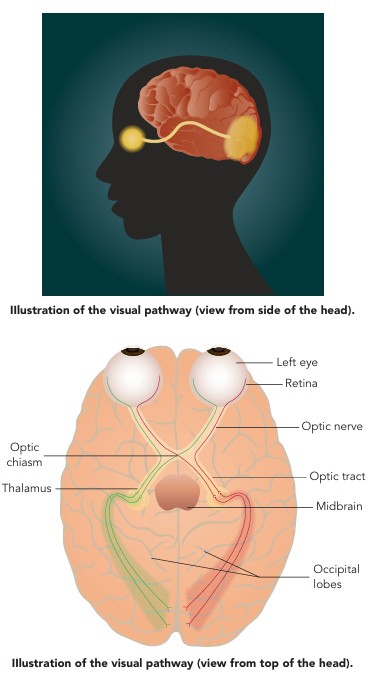
Optic neuritis is a condition affecting the optic nerve. The optic nerve carries information from the eye to the brain, thus enabling us to see. In optic neuritis, there is inflammation of the optic nerve or the coverings of the nerve, causing the vision to be impaired.
Causes
There are many causes of optic neuritis, including:
An overactive immune response in your own body
- This is the commonest cause.
- The covering or myelin of the nerve is attacked by the immune system, and becomes inflamed, leading to "demyelination".
- Rare conditions such as multiple sclerosis or neuromyelitis optica, which affect the brain and spinal cord as well.
- Other autoimmune conditions which affects other parts of the body such as Sjogren's disease.
- Certain types of infections.
The most common symptoms are:
- Poor vision which worsens over the first week
- Decrease in colour vision
- Decrease in light brightness and contrast
- There may be pain, usually behind the eye, worsened by moving your eye in different directions.
Detection & Treatment
For the most common type of optic neuritis (demyelination), your vision is likely to recover over the next 4 to 6 weeks, even without treatment.
However, studies have shown that treatment with intravenous high-dose steroids (administered into the bloodstream) may quicken the recovery and reduce the short-term risk of multiple sclerosis.
As these steroids are given at a high dose, you will need to be monitored closely in the hospital. The steroids may be given more than once a day (in staggered doses), for a total of 3 to 5 days
Potential side effects of steroids include:
- Fever
- High blood pressure
- High blood sugar
- Change in mood and insomnia
- Bleeding from existing gut or stomach ulcers
To prevent these side effects, you will be given appropriate medication and monitored closely on the ward. Your doctor will discuss this in more detail with you.
Care Management
What will happen to my vision?
In most cases, vision starts to improve within one or two weeks of treatment. In severe cases, there may be a residual impairment of colour and brightness.
Will it happen again?
There is a possibility that optic neuritis will recur, or affect the other eye. If you experience similar symptoms in future, you should see your ophthalmologist or proceed to the Emergency Department immediately.

Specialties & Services

