Overview
People with OCD experience the symptoms of "obsession", which are defined as recurrent persistent ideas, thoughts, images, or impulses. To reduce anxiety and find relief from these unrelenting obsessions, a person may develop "compulsions" or behaviours.
Obsessive compulsive symptoms are also found in people diagnosed with other psychiatric and neurological disorders, such as Tourette's syndrome, Autistic Spectrum Disorder, epilepsy, head trauma and front ear lobe lesions. These signs and symptoms are distressing, time consuming and significantly interfere with a person's normal routine, work, or social activities and relationships.
People with OCD may have comorbid depression where they worry incessantly, often overwhelmed by repetitive negative thoughts.
Causes
Risk factors
Several factors can contribute to the risk of developing OCD:

Genetics:
There is evidence that OCD has a genetic component and it often runs in families.
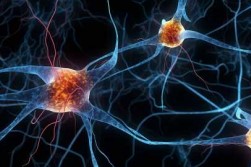
Brain chemistry:
Serotonin is a chemical found in our brain cells that help to transmit information from one brain cell to another. Studies have shown that there is an imbalance of serotonin in the brains of people with OCD.
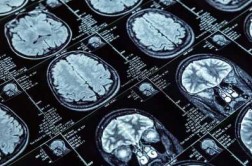
Brain circuitry:
Brain imaging studies in individuals with OCD have shown increased activity and blood flow in specific parts of the brain.

Stress/Life events:
Important life events such as bereavement or stress may trigger OCD symptoms in people who may be susceptible to develop the condition. Other triggers, including positive life events such as the birth of a child, are also, potential contributors to the eruption of the underlying condition.

Infection:
Some rare cases of OCD in children and young people have started after severe streptococcal or other infections. These infections may trigger OCD symptoms in children and young people who have a genetic predisposition to develop the condition.
Common obsessions include:

- Irrational fears of contamination from dirt or germs.
- Fear of hurting someone.
- Distressing sexual or religious thoughts.
- Desire to hoard or a need for symmetry and exactness.
Common compulsions include:

- Checking,
- Cleaning and washing,
- Counting,
- Hoarding,
- Mental ruminations.
A person with Hoarding Disorder:

- Has great difficulty discarding or parting with possessions, regardless of their actual value.
- Experiences distress when discarding the items due to the perceived need to save the items.
- Accumulates items until they congest and clutter living areas.
- Shows significant social and occupational impairment, a lack of self-care and increasingly unable to cope with daily living which inevitably affects self and others.
Detection & Treatment
OCD can be successfully treated, and evidence shows that the sooner it is detected, the better the treatment outcomes are likely to be. A combination of medication and behavioural therapy has been found to be effective in significantly reducing the symptoms of OCD.
Medication:
Medication may be prescribed before or during behaviour therapy if there is indication of severe depression. Drug treatment after behaviour therapy may be prescribed if the therapy has been only moderately effective despite good cooperation. The use of antidepressants has proven to be effective in the treatment of OCD.
Cognitive Behavioural Therapy (CBT):
The mainstay of psychological treatment is CBT, where the individual is deliberately exposed to obsessional cues, and then prevented from engaging in the associated repetitive behaviour. With repeated and prolonged exposure to triggers, habituation eventually takes place. Exposure tasks are arranged hierarchically, with treatment commencing with the least anxiety-provoking situation and progressing rapidly through the hierarchy. Ruminations are more difficult to treat. Aversion conditioning such as thought stopping may be helpful. In addition, it is also useful to teach the individual ways of coping with anxiety, anger and stress. He will be encouraged to set other targets in life so as to develop a healthier lifestyle.

Care Management
The combination of CBT and medication increases treatment efficacy. It is important to involve the family in the management of individuals with OCD. Family members are often ignorant about the disorder and may be drawn into the patient's rituals.
Specialties & Services

