Overview
What is Mumps?
Mumps is a contagious disease that is caused by the mumps virus.
Causes
How does it transmit?
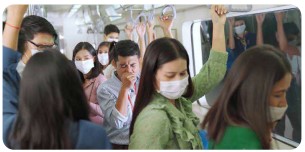
It is spread by droplets of saliva or mucus from the mouth, nose, or throat of an infected person, usually when the person coughs, sneezes, talks or shares used items (e.g. drinks or eating utensils) with a non-infected person.
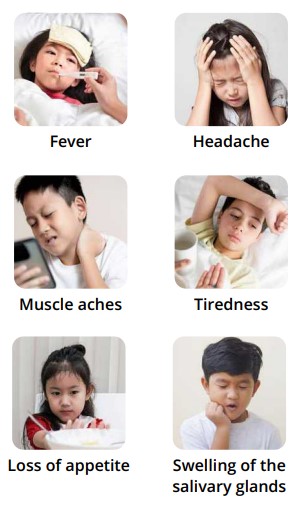
It typically starts with a few days of:
What are the symptoms?
Individuals with mumps usually first feel sick with non-specific symptoms like headache, loss of appetite, and low-grade fever.
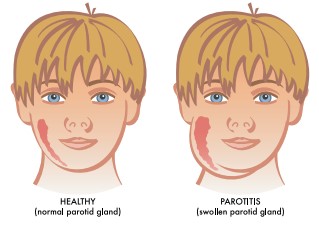
The most well-known sign of mumps is "parotitis", the swelling of the salivary glands situated below the ear.
Symptoms typically appear 16 to 18 days after infection, but this period can range from 12 to 25 days after infection.
Can you get Mumps more than once?

People who have had mumps are usually protected for life against another mumps infection. However, second occurrences of mumps do rarely occur.
Prevention
How to prevent Mumps?

All children and adults are advised to have their mumps vaccination if they have not been vaccinated against the disease.
This vaccine comes in a combined form protecting against measles-mumps-rubella (MMR) since 1971. The vaccine is very effective.
The first dose of MMR vaccine produces immunity to measles (95-98%), mumps (97%) and rubella (95%). The second dose of MMR is intended to produce immunity in those who did not respond to the first dose.
Care Management
What should be done if someone is exposed to Mumps?

If he/she has not been vaccinated against mumps, receiving the vaccine after exposure will not help prevent the disease if he/she has already been infected.
However, if he/she didn't become infected after this particular exposure, the vaccine may help him/her against future exposures.
If you suspect yourself or your family to be infected with mumps, seek a doctor's attention.
We can help prevent the spread of mumps by practicing good hand hygiene:
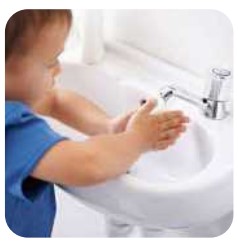
Wash hands well and often with soap and water and teach children to wash their hands too.
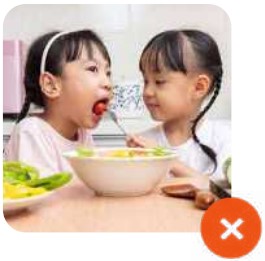
Do not share eating or drinking utensils with an infected person.
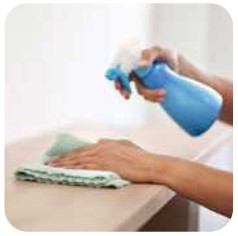
Clean surfaces that are frequently touched (such as toys, tables, and counters) regularly with soap and water or cleaning wipes.
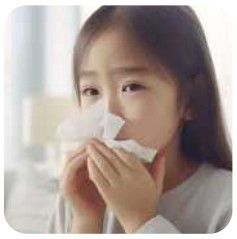
Minimise close contact with others if you are not feeling well. Cover your mouth and nose with a tissue when you cough or sneeze, and discard your used tissue in the general waste bin.
Specialties & Services

