Overview
What Is Liver Cancer?
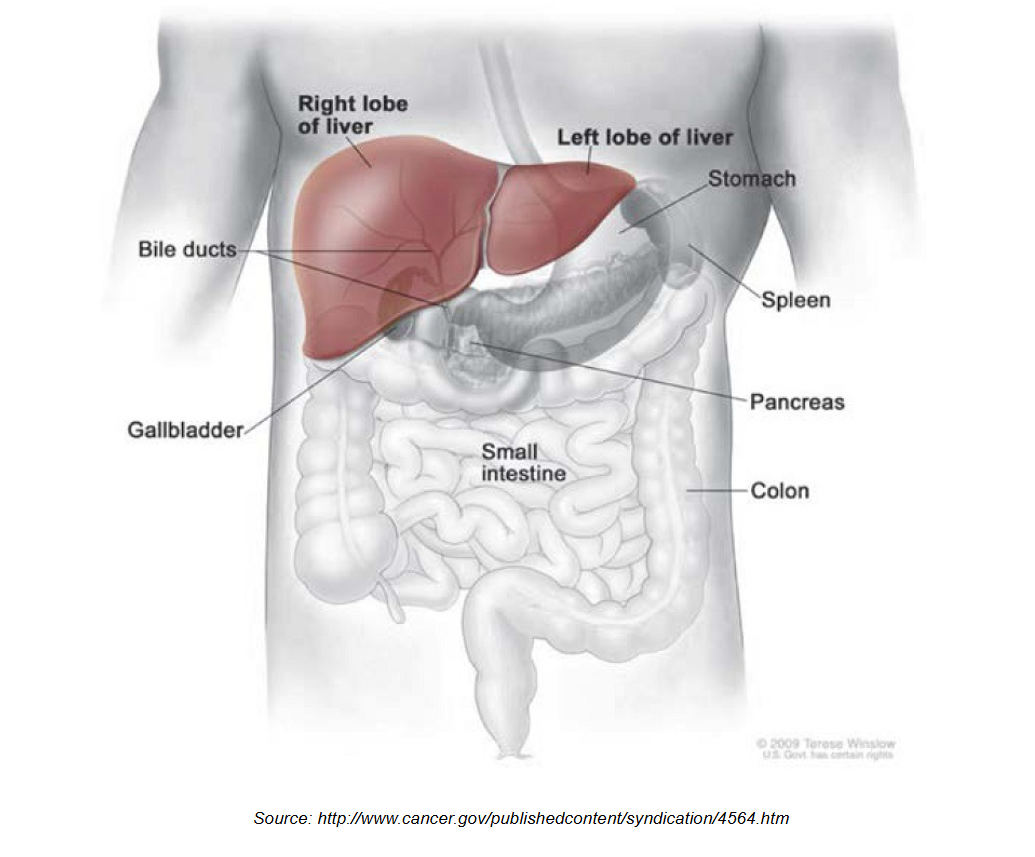
Primary liver cancer refers to cancer originating from the cells of the liver. It is classified based on the type of cells affected by cancer:
- Hepatocellular carcinoma starts in the liver cells which are called hepatocytes
- Cholangiocarcinoma or bile duct cancer begins in the bile ducts
- There are many other rare forms of liver cancer
Metastatic liver cancer refers to cancer that has spread from other organs such as colon, lung, breast and stomach to liver. Metastatic liver cancer is more common than primary liver cancer.
Causes
The risk of liver cancer is increased in:
- Chronic carriers of Hepatitis B virus and Hepatitis C virus
- Those with liver cirrhosis (liver hardening)
- Those with a bile duct disease called primary sclerosing cholangitis
- Heavy alcohol drinkers and alcohol abusers (alcohol abuse can lead to liver cirrhosis)
- Those with exposure to Aflatoxin which is produced by a mould found on nuts, corn and grains
- Those with a family history of liver cancer
Early stage liver cancer may not have any signs. As the cancer advances to a later stage, it may produce the following symptoms:
- Loss of appetite and weight
- Weakness and fatigue
- Nausea and vomiting
- Abdominal swelling/bloated
- Lump in the abdomen
- Abdominal pain
- Yellowish discoloration of the skin and whites of eyes (jaundice)
Prevention
- Getting vaccinated for Hepatitis B
- Avoiding body piercing and tattooing
- Limiting alcohol intake
- Not engaging in unprotected sex
- Not abusing drugs or sharing intravenous drug needles
- Chronic carriers of Hepatitis B virus and Hepatitis C are advised to consider regular screening
Detection & Treatment
Diagnosis
- Ultrasound (Scan)
- Computerised Tomography (CT) and Magnetic Resonance Imaging (MRI)
Liver Biopsy:
A procedure where a small sample of tissue is taken to be examined under the microscope
Blood Tests:
Test for the presence of a cancer marker called alphafetoprotein (AFP). It is important to note that AFP levels may be normal even in the presence of liver cancer, or elevated in patients without liver cancer, and hence it is NOT used to make a diagnosis.
Treatment
Some of the treatment options available include:
- Surgical removal of the tumour
- Liver Transplantation
Local Ablative Therapies (LATs):
There are various techniques for LAT. They provide targeted destruction of the liver tumours under imaging guidance. Examples include inserting a special needle with microwave, radiofrequency or freezing properties to destroy tumours in a targeted area. LATs are more effective on smaller tumours.
TransArterial Chemo Embolidation (TACE):
TACE involves injecting chemotherapy agents into the blood vessel supplying blood to the tumour and blocking it off with beads or particles to deprive the tumour of nutrition.
Selective Internal Radiation Therapy (SIRT):
Radioactive particles are delivered directly via a catheter (a thin, flexible tube) in the blood vessel to the liver tumour to destroy the cancer cells.
Chemotherapy or Immunotherapy:
The use of anti-cancer drugs to destroy cancer cells or to stop them from multiplying.
Specialties & Services

