Overview
Irritable bowel syndrome (IBS) is a chronic (long-term) condition that affects the large instestine. It may cause abdominal pain because of abnormal contractions and problems with bowel movements.
Causes
The cause of IBS is unknown, but IBS often begins in young adulthood and is more common in women than men.
What Can Increase Risk of IBS?
- Infection: IBS can develop after a severe gastrointestinal infection caused by bacteria/viruses (e.g. salmonella, campylobacter)
- Stress and anxiety: May worsen IBS symptoms
- Food: Food, such as dairy products and high-gas food, may worsen IBS symptoms. Please refer to the "What Dietary Changes Can I Make?" section behind for more information.
Severe signs and symptoms are uncommon, but you may still experience symptoms such as:
- Abdominal pain
- Diarrhea or constipation
- Stomach bloating
- Belching or burping (due to increased gas production)
- Mucus in the stool
Detection & Treatment
How is IBS Diagnosed?
While there is no single test for IBS, your doctor may perform some tests to rule out other conditions.
Common tests include:
- Blood test
- X-ray test
- Sigmoidoscopy/colonoscopy (procedures to check the inside of your large intestine)
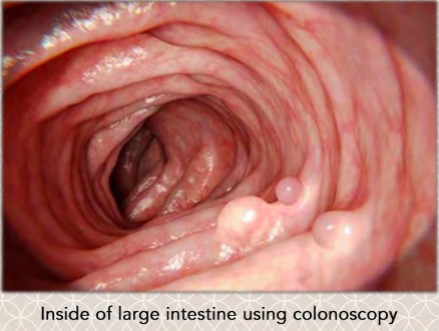
How is IBS Treated?
Although there is currently no cure for IBS, effective treatments are available to ease the symptoms.
Possible treatments are:
- Medications
- Counselling
- Lifestyle changes
What Lifestyle Changes Can I Make?
Keep a Diary
Keep track of your diet, activities and symptoms. This can help you identify food oractivtiies that worsen your symptoms.
Exercise Regularly
Be active for 20 to 60 mins, 3 to 5 days a week. This could be as simple as walking or moving throughout the day.
Avoid Certain Food
Avoid food that may worsen your symptoms. Check with your doctor on food that can worsen IBS.
Work closely with your doctor to monitor your symptoms over time. Your doctor may recommend further testing if your symptoms change.
What Dietary Changes Can I Make?
Avoid
- Dairy Products (milk, ice cream, yogurt, cheese)
- Cruciferous Vegetables (cabbage, brussels sprouts, cauliflower, and broccoli)
- Legumes (beans)
Eat More
- Non-cruciferous Vegetables (carrot, potato, beets, parsley, celery)
- Better Tolerated Food (soymilk, rice milk, rice-based products, boiled potatoes, plain pasta, plain fish and plain chicken)
Please consult your doctor before changing your diet.
Specialties & Services

