Overview
Ingrown toenail occurs when the side or corner of your toenail grows into or pierces the skin of the toe. It usually affects the big toe.
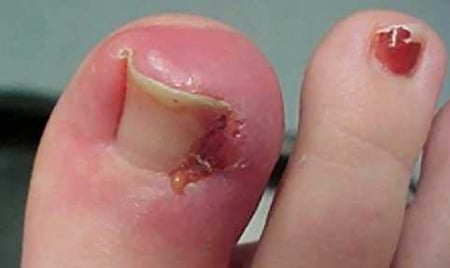
This can result in an open wound where bacteria enters and infection can set in. It is important to manage ingrown toenail timely to reduce the risk of infections.
Causes
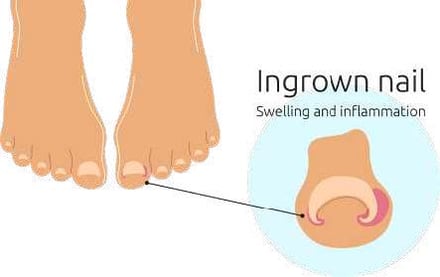
- Improper nail-cutting technique that leaves a spike of nail behind at the side of the nail or cutting the nail edge too deep in.
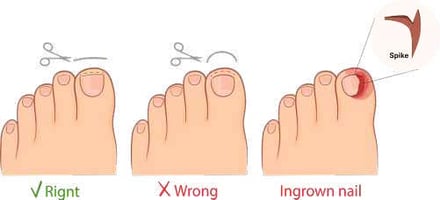
- As the nail plate grows forwards, the spike may be pushed forwards or sideways into the nail sulcus (the groove of flesh at the side of the nail) and pokes into the skin.
Examples:
- Pulling and picking at the side of the nails and a fleshy nail sulcus are factors predisposing to the development of ingrown toenail
- Pressure on the side of the nail from tight shoes, socks or stockings
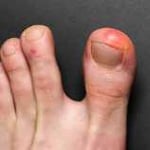
- Unusual amount of pressure on the side of the nail due to presence of deformities (E.g. bunions, hammer toes) or abnormal gait (E.g. exerting excessive pressure over the big toes)
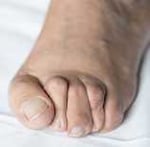
- Repeated injury to the side of the nail, for example, physical sports or wearing of tight safety shoes.
- Excessive perspiration causing the skin at the sides of the nails to be easily pierced by a sharp nail
- Certain medications to manage cancers, skin conditions and viral conditions may affect the nail and nail fold growth, predisposing to ingrown toenail formation
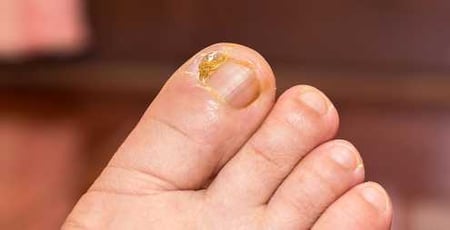
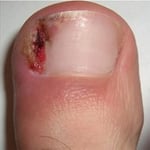
Pain, redness, swelling and sometimes infection where there is pus and bleeding. In severe or chronic cases, a small lump of tissue that bleeds easily can develop.
Prevention
-
Proper trimming of toenails: Trim your toenails straight across and not too short such that the corner of the nails is visible above the skin
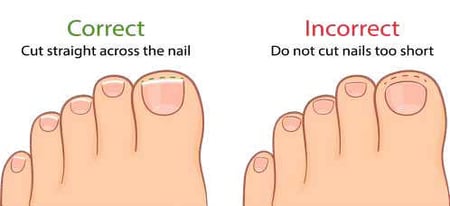
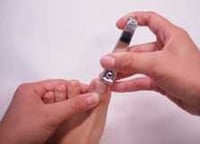
- Cutting deep into corners of nails may cause a sharp spike to be left within the nail fold, especially if the sides of the nail cannot be visualised well
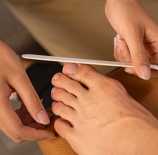
- File the corners down well to avoid leaving any sharp corners
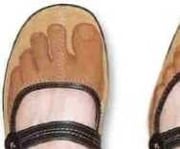
- Do not wear shoes that have a narrow or tight toe box
- Get your diabetes, high blood pressure, and high cholesterol under control to reduce the risk of developing an infection

You can prevent its recurrence by the following measures:
- Wearing shoes that have wide toe box to ensure the toes are not cramped within the footwear
- Avoid cutting into corners of your toenails or cutting them too short
Detection & Treatment
We advise proper treatment by a healthcare specialist. This may include removal of nail spike or cutting away whole or part of the affected toenail.
- Total or partial nail removal under local anaesthesia.
- Antibiotic treatment may be required if there are any signs of infection.
Seek early medical attention if you have reduced blood circulation and/or signs of infection.
When should I seek medical treatment?
Seek medical treatment immediately If there is pain, redness, swelling, pus and/or bleeding around your ingrown toenail.
Specialties & Services

