Overview
What is Inflammatory Bowel Disease?
Inflammatory Bowel Disease (IBD) is used to describe chronic inflammation of your gastrointestinal (GI) tract. The disease causes inflammation and may lead to prolonged symptoms and complications.
There are 2 Main Types of IBD:
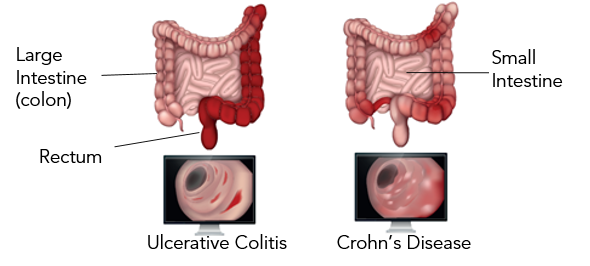
1. Ulcerative Colitis (UC)
- This condition affects only your large intestine (colon) and the rectum.
- It usually begins at the rectum and extends upwards through your entire colon.
- The inflammation occurs only in the innermost layer of your colon lining.
2. Crohn's Disease (CD)
- The condition may affect any part of your GI tract, most commonly towards the end of your small intestine and colon.
- Patches of inflammation may occur between healthy areas of the gut and extend through the entire thickness of the intestinal lining.
Causes
What Causes IBD?
The exact cause of IBD is unknown. Possible causes include:
- Genetics / Family history
- Immune system disturbance
- Environmental triggers (childhood antibiotic use, western diet, smoking (for Crohn's Disease), NSAIDs such as Ibuprofen, Naproxen.
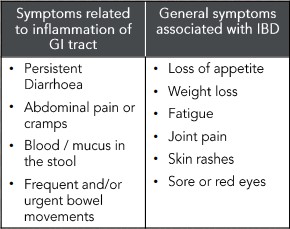
Detection & Treatment
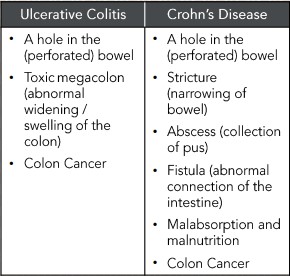
What are the Complications of IBD?
What are the Treatment Options?
The main treatment for IBD are medications and surgery.
Your doctor will discuss the most suitable options with you.
Medications for IBD Treatment
- 5-aminosaliylic Acid (5-ASA) (e.g. Sulfasalazine, Mesalazine): Limits the production of certain chemicals that trigger inflammation
- Steroids (e.g. Prednisolone, Budesonide): Reduces inflammation & and decreases the activity in your immune system. For short term usage only, not recommended to be taken over a long period.
- Immunomodulators (e.g. Azathioprine, Methotrexate): Suppresses the immune system and reduces inflammation
- Biologics (e.g. Infliximab, Adalimumab, Vedolizumab, Ustekinumab): Man-made antibodies which target and block the immune system signals involved in inflammation
- JAK inhibitors (e.g. Tofacinimab): Block multiple inflammation pathways to reduce inflammation
Surgery for IBD Treatment
Surgery (e.g. Colectomy, Resection and Stricturoplasty, Fistula and Abscess repair)
Surgical option is only recommended if your symptoms persist despite medications or when complications develop.
How Do I Take Care of Myself if I Have IBD?
1. Medication
- Take your medications as prescribed
- Avoid Non-Steroidal Anti-inflammatory Drugs (NSAIDs) such as Ibuprofen, Naproxen
- Consult your IBD doctor before taking any Over-the-Counter medications
2. Diet and Nutrition
- Eat a well-balanced diet and avoid processed foods
- Keep yourself well hydrated. Avoid sugary carbonated beverages.
- Keep a food diary, refrain from eating food which may aggravate your symptoms
3. Balanced Lifestyle
- Stop smoking and avoid alcohol
- Exercise, manage stress and build good social support
4. Get your Recommended Vaccinations
5. Regular Follow-ups
Specialties & Services

