Gastroesophageal Reflux Disease (GERD)
Overview
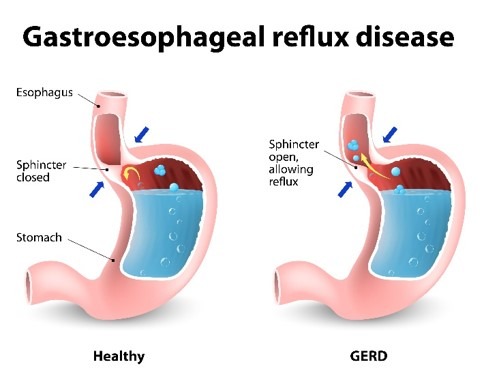
Gastro-oesophageal reflux disease (GERD) is a condition where stomach acid or contents flow upwards back to your oesophagus (also known as food pipe).
GERD occurs when the muscles around the lower part of your oesophagus loosen occasionally, allowing stomach contents and acid to flow upwards. The acid reflux may irritate the lining of your oesophagus, causing it to become inflamed.
Most people can manage the discomfort of GERD with lifestyle modifications and antacids.
Causes
Risk Factors
- Obesity
- Pregnancy
- Smoking
- Eating large meals or eating late at night
- Eating fatty or fried food
- Drinking beverages such as alcohol, coffee
Signs & Symptoms
Common Occurring
- Heartburn
- Sour taste in mouth
- Regurgitation of food
Less Common
- Chest pain
- Difficulty in swallowing
- Sore throat
- Raspy (hoarse) voice
- Cough
Detection & Treatment
Diagnosis
- Short course of acid suppression treatment using proton pump inhibitors (PPIs) to reduce stomach acid production. PPI is a strong medication that blocks acid production
- 24-hour pH monitoring of the oesophagus to confirm the occurrence of acid reflux
- Gastroscopy (Upper Endoscopy) to examine the inside of your oesophagus and stomach
Care Management
Suggested Lifestyle Modifications
- Lose weight if you are overweight
- Avoid foods like coffee, chocolate, alcohol, peppermint, and fatty foods as they may worsen your symptoms
- Stop Smoking
- Avoid late meals. Lying down with a full stomach can make reflux worse. Have your meals at least two to three hours before bedtime
Additional Resources

