Fungal Nails
Overview
What is Fungal Nail Infection?

- Fungal infection of the nail is more common in people with diabetes. It can present in toenails and fingernails, affecting more than one nail.
- Fungal infection can start at one part of the nail. It often spreads and infects other parts of the nails, making the nail discoloured (white, yellow, green or black).
- The infected nail may become brittle and sometimes thickened. At times, pieces of the nail may break off or the whole nail lifts off. This may cause pain and swelling in the skin around the nail.
- It also increases the risk of fungal infection to the surrounding skin, which can lead to secondary bacterial infection.
Causes
What increases the chances of getting fungal nail infection?

- Fungus like to grow in warm and moist environment. This can affect people who perspire a lot or use damp socks
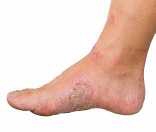
- Having fungal skin infection increases the risk of getting fungal nail infection
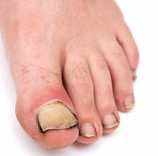
- Trauma to toe nails or coming into contact with someone who has fungal toenail and / or skin infection through the sharing of communal shower or during footwear fitting
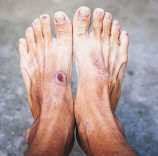
- Medical conditions or medications that affect the skin or weaken the immune system including poorly controlled diabetes

- Other factors such as smoking and advanced age
Prevention
How can I reduce the chance of getting Fungal Nail Infection?
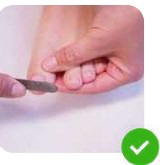
- File your nail regularly to maintain the nail length and reduce the thickness
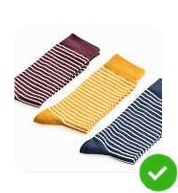
- Wear clean and dry socks daily
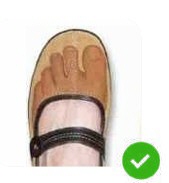
- Wear properly fitted shoes that have deep and broad toe box
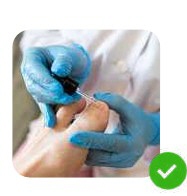
- Apply antifungal medication (cream or nail lacquer) as prescribed
- Keep feet clean and dry, especially the space between your toes
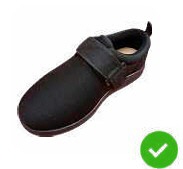
- Choose footwear made of breathable materials
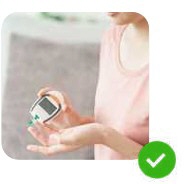
- Have your diabetes, high blood pressure, and high cholesterol under control
What should I avoid doing?

- Do not share towels
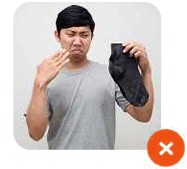
- Do not wear other people's shoes and socks, use a pair of socks when fitting for shoes
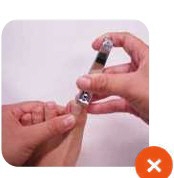
- Do not share nail clippers or nail file
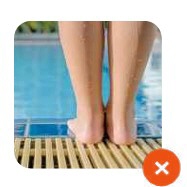
- Avoid walking barefooted at damp public places such as swimming pools, gyms and shower rooms
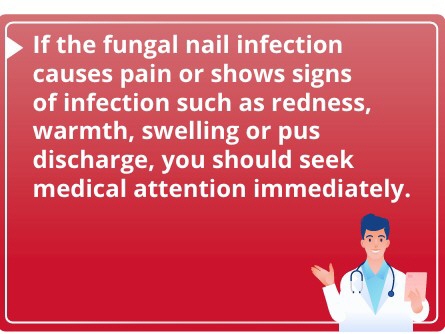
When should I seek medical treatment?
Additional Resources
Specialties & Services

