Overview
What is Dry Eye Syndrome?
Dry eye syndrome, also known as keratoconjunctivitis sicca, is a very common eye condition.
It occurs when your eyes do not produce enough tears or tears evaporate too quickly. The normal function of tears is to keep the front surface of the eye (cornea) lubricated, protects it from infection and gives a better quality of vision. Abnormality of tears can result in symptoms of discomfort, watering as well as visual disturbance.
Causes
There are a variety of causes which include:
- Ageing
- Hormonal changes: menopause
- Certain eye conditions: blepharitis, incomplete eye closure, eyelid disorders
- Contact lens usage
- Laser refractive surgery: LASIK
- Certain medications: anti-histamines, anti-acne, anti-depressants, decongestants
- Certain medical conditions: diabetes, thyroid disorders, autoimmune diseases such as Sjogren's syndrome, rheumatoid arthritis1
- Environmental factors: hot or windy climate, air conditioning, computer usage
Dry eye syndrome usually affects both eyes and symptoms may include any of the following:
- Dryness
- Burning, stinging or itching
- Gritty/scratchy feeling
- Irritation from wind or smoke
- Blurred vision
- Tired eyes
- Red eyes
- Excessive tearing/blinking
- Sensitivity to light
- Mucus discharge
- Difficulty wearing contact lenses
- Decreased tolerance with reading or working on computer
Detection & Treatment
Diagnosis
Your eye specialist will perform a comprehensive eye examination with special dye to examine the cornea, to determine the quality and evaporation rate of tears.
He/she may carry out further tests:
- Schirmer's tear test: to measure volume of tears
- Tear analysis: to determine quality of tears
Management
Dry eye syndrome cannot be 'cured'. The aim of treatment is to relieve eye symptoms and to prevent complications such as damage to the corneal surface.
Care Management
Treat the underlying cause of Dry Eye Syndrome.
1. Lifestyle changes:
- Avoid dehydrating environments such as air conditioning
- Wear spectacles or sunglasses outdoors in windy conditions
- Blink more often when reading, watching TV or using computer
- Take regular breaks from computer or mobile devices
- Do not direct fans towards eyes
- Reduce contact lens usage
- Avoid smoking
2. Eyelid hygiene
3. Replacing tears:
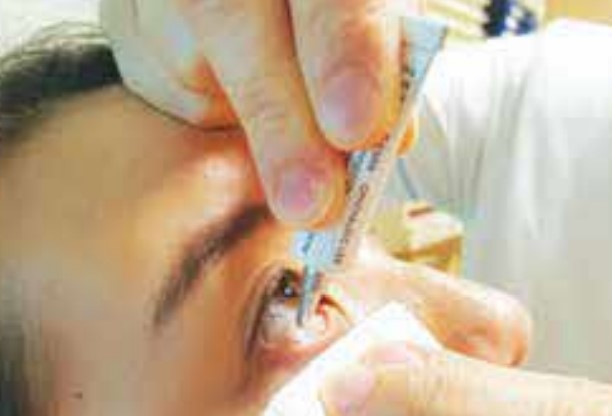
Artificial tear drops (preservative or preservative free)

Eye gel or ointment
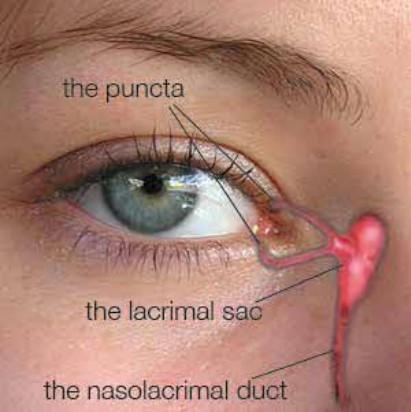
4. Reducing drainage of tears
Punctal plugs (temporary or permanent)
5. Other medications/therapy
- Omega – 3 or – 6 fatty acids supplement
- Steroids or ciclosporin eye drops: to control inflammation
- Acupuncture
Specialties & Services

