Overview
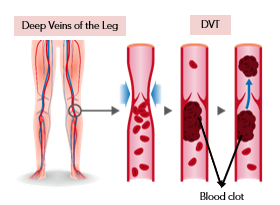
Deep Vein Thrombosis (DVT) occurs when a blood clot forms in a deep vein, usually in the legs, but it can also occur in veins in other parts of the body.
Causes
Blood clots in the veins can develop from:
- Reduced blood flow caused by prolonged periods of immobility or bedrest
- Vein damage: injuries to the walls of the veins that may result from injury or surgery
- Blood changes: Conditions that make the blood thick and prone to clotting. (refer to risk factors)
Who is at Risk of DVT?
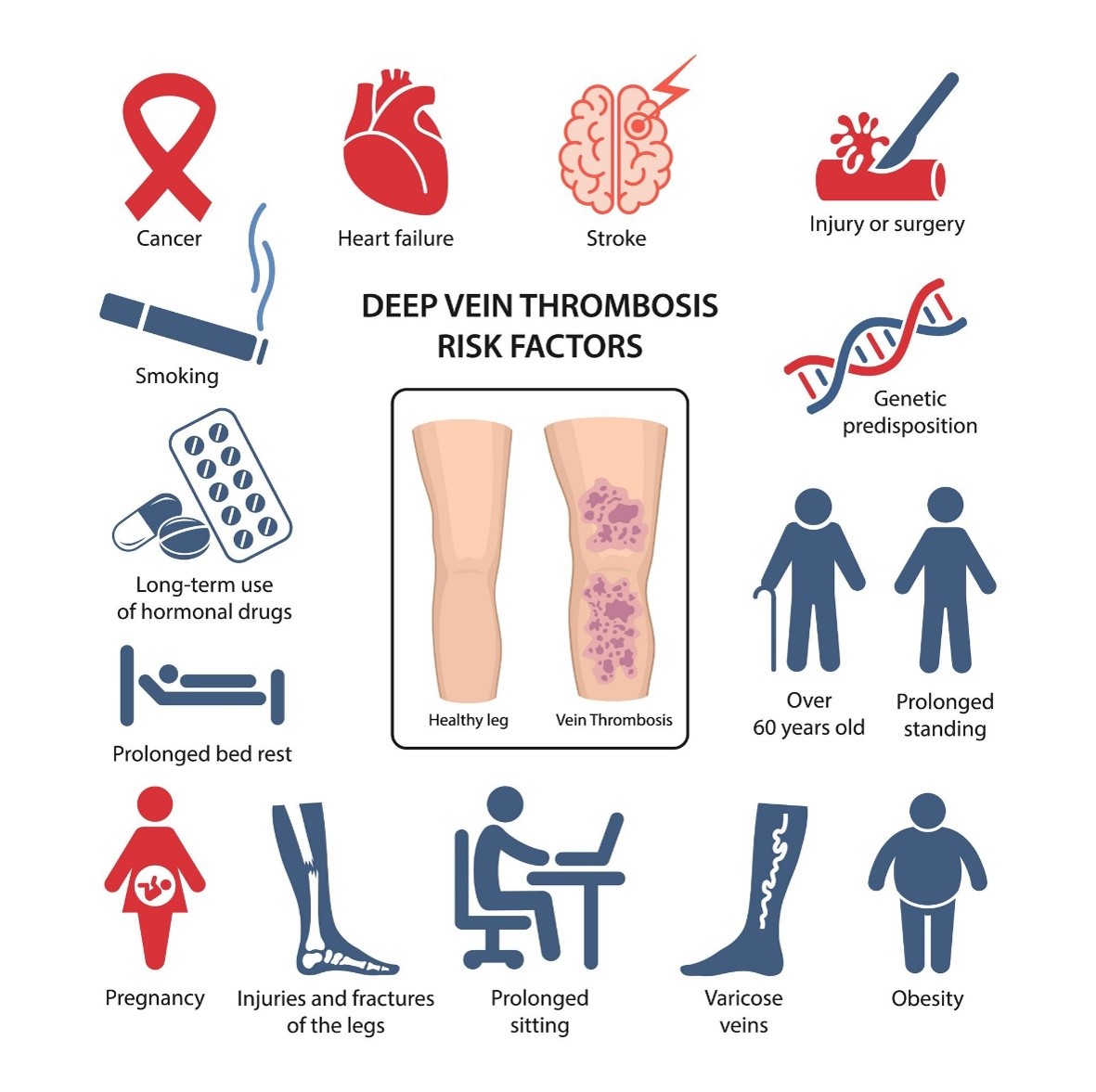
DVT is more likely to occur in adults aged 60 years and older, but it can affect individuals of any age. Specific risk factors can increase the likelihood of the disease, which include the following:
Some people with DVT may not show any symptoms. Typical symptoms of DVT include:
- Swelling of your leg or arm
- Pain or tenderness in your leg or arm
- Warmth or redness in your affected leg or arm
Dangers of DVT
While DVT is not immediately life-threatening, it can lead to serious complications:
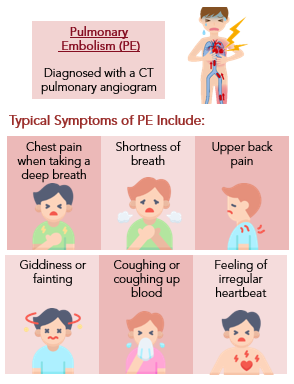
- Pulmonary Embolism (PE): This occurs when a blood clot in the deep vein breaks off, travels to and gets lodged in an artery in the lung, blocking blood flow and affecting lung and heart function. PE can be life-threatening.
- Post-thrombotic Syndrome: A long-term condition of persistent swelling, skin discolouration and leg ulcers that results from damage to the vein caused by DVT.
Prevention
- Quit smoking
- Exercise regularly and maintain a healthy weight
- Avoid sitting for long periods of time
- Keep well hydrated
Detection & Treatment
How is DVT Diagnosed?
After a medical history and physical examination, your doctor might perform tests such as:
- Doppler Ultrasound: A scan to detect clots by checking blood flow in the veins, commonly used for DVT diagnosis.
- D-dimer Test: This is blood test for a substance in the blood that is increased when DVT or PE occurs. A negative result usually means no DVT.
Treatment
Blood Thinning Medications (Anticoagulants)
- First line treatment for DVT and PE
- Available in tablet or injectable form
- These medications stop the clot from growing, allowing the body to break down the clot naturally.
Note: Follow your doctor's advice strictly, as these medications increase bleeding risk and need close monitoring.
Other Treatment Options
Your doctor may recommend the following treatments where necessary:
- Thrombolysis and thrombectomy: In severe cases, clot-dissolving medications or procedures can be used to dissolve clots and restore the blood flow rapidly.
- Inferior Vena Cava (IVC) filter placement: If blood thinners are not suitable for you, a filter can be placed in a large vein in your abdomen to prevent blood clots from travelling to the blood vessels in the lungs.
For Hospitalised Patients
- You may be prescribed prophylactic medication or other treatments such as calf pumps or compression stockings if you have certain risk factors
Specialties & Services

