Overview
What is Pressure injuries?
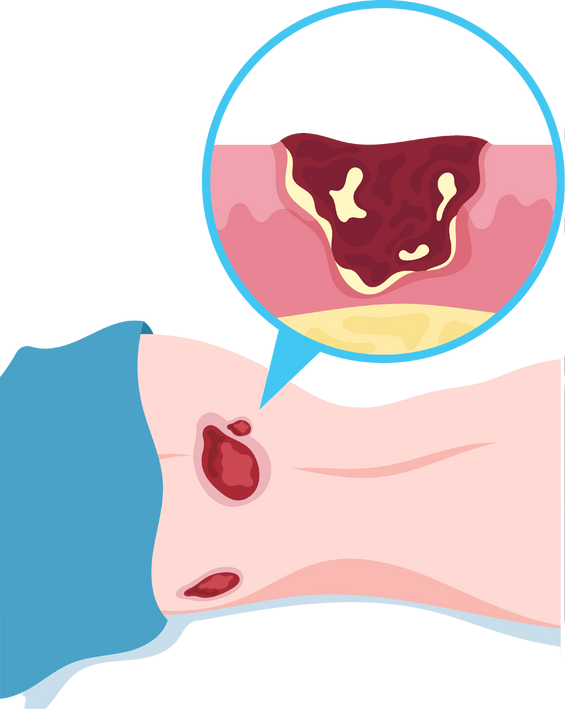
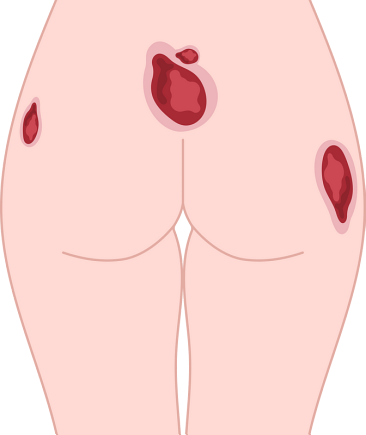
Pressure injuries (also known as pressure ulcers, bed sores, pressure sores or decubitus ulcers) are localised damage to the skin and underlying tissues.
Causes
Continuous pressure on the skin from prolonged lying or sitting down will cut off the blood supply to the affected area and cause skin and tissue damage. When this happens, a pressure injury is formed.
The risk of developing pressure injuries when our loved ones are:
- Unable to relieve pressure over the bony areas of their bodies.
- Exposed constantly to their sweat, urine or faeces at their pressure points.
- Spend most times in a bed or a chair.
- Unable to feel pain or have decreased sensation over the affected areas.
- Slide down in the bed. This causes friction and shearing that may tear delicate skin.
- Poor nutrition and hydration especially when you don't get enough fluids and protein in your diet.
- Are unable to control your bowels or bladder.
- Had a pressure ulcer before.
- Are over 65 years old and have other risk factors.
- Poor blood circulation due to medical problems such as diabetes, obesity, smoking, stroke and/or spinal cord injury.
Signs of Pressure Injury
They often start as a tender, red or warm spot that does not go away and can be painful. If not treated, the injury quickly becomes deeper and very painful. If the injury becomes infected, it can cause serious problems.
Prevention
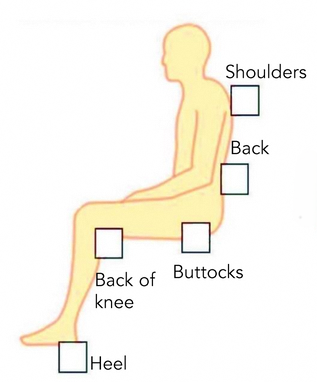
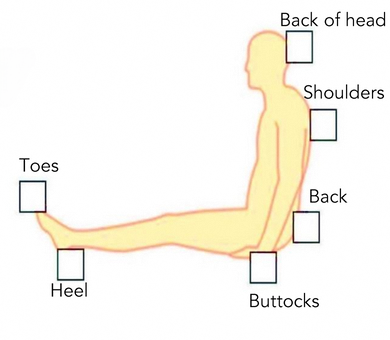
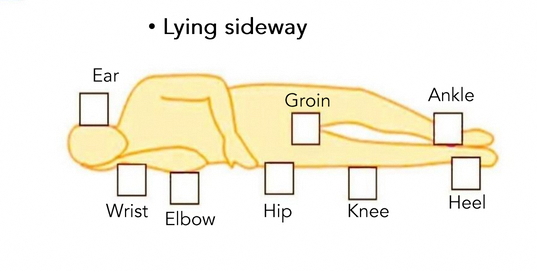
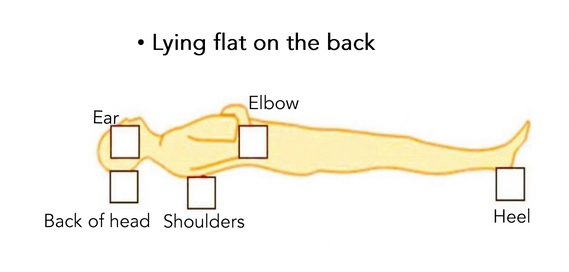
Where are the common pressure points located?
Sitting on chair/wheelchair:
Sitting on the bed:
Lying sideway:
Lying flat on the back:
Pressure injuries can be prevented most of the time:
1. Keep your skin safe
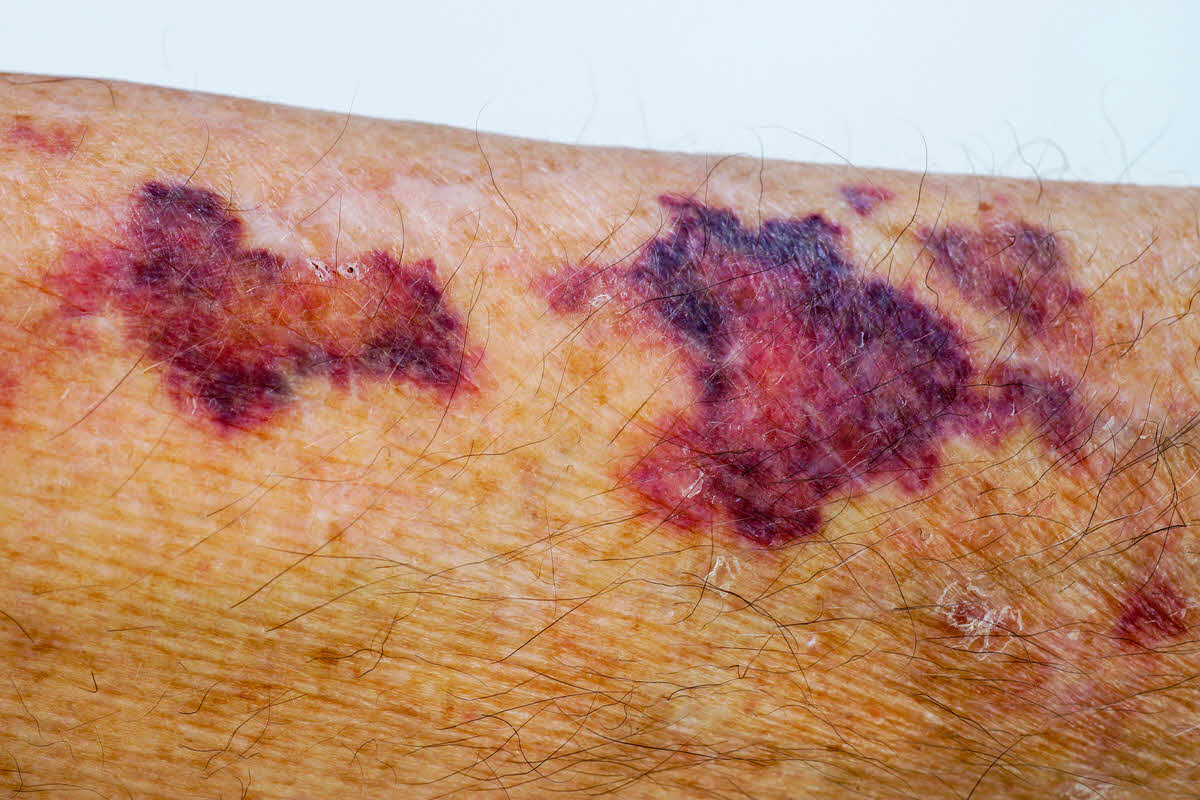
- Check skin condition daily for any redness, bruising, rashes, dryness, swelling, cracks, tears, scabs and blisters.
- Pay special attention to areas where pressure could build up especially bony areas.
- If you have difficulty seeing certain areas:
- Use a long-handled mirror.
- Ask someone else to hold the mirror to check parts of skin.
- Get help to take photos of areas that you cannot see.
2. Adopt good preventive measures
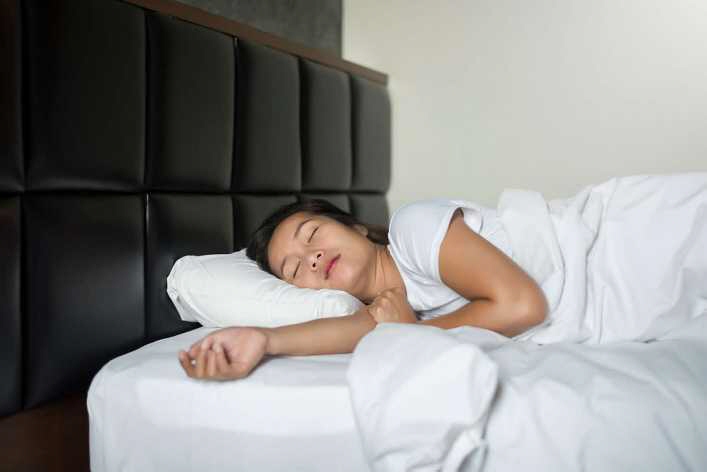
- Change position every 2-hour or more often when in bed, and at least three times an hour when sitting down.
- Use special wound dressings, cushions, mattress or beds to redistribute pressure and protect your skin from injury.
- Always lift people properly when moving them between the bed and a chair.
- Avoid sliding or dragging in and out of the bed or chair.
- Keep the skin clean, dry and healthy.
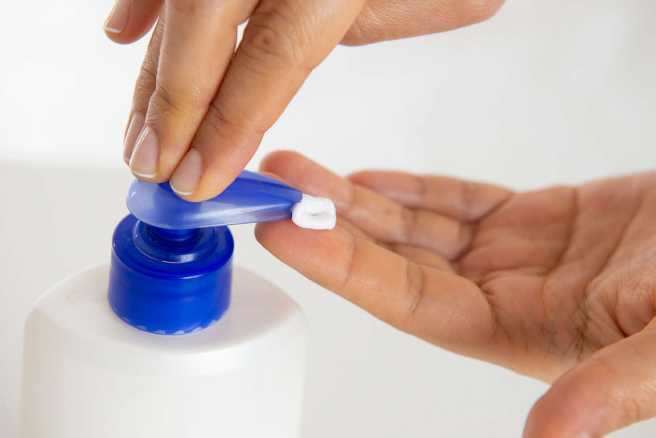
- Apply barrier cream to protect skin from urine or other body waste.
- Apply cream or lotion to moisturise dry skin. Eat a healthy, balanced diet and drink enough water.
- Quit smoking.
Care Management
How do you relieve pressure points?
Lying down
1. Lie flat on the back
- Use a pillow to elevate heels to keep heels off the bed or let the heels rest over the edge of the mattress.
- Do not raise the head of the bed more than 30 degree.
2. Lie facing right or left side
- Place a pillow or cushion between the knees and ankles to prevent them from rubbing against each other.
- Maintain position by supporting the back with a pillow.
- Place a pillow under the joints (bony areas) to cushion the area.
- Do not rest directly on hip bone.
- Do not raise the head of the bed more than 30 degree.
- Do not place pillow directly behind the knees as this could decrease blood flow to legs.
Sitting Down
- Perform weight shift by leaning to the sides and forward.
- Lift up your leg and push your body up, when you are sitting or lying down for long periods of time.
Get pressure relieving device
An air mattress and/or a pressure relief cushion are commonly prescribed equipment for individuals who may have difficulty turning and moving independently in the prevention of pressure injury.
Your healthcare professional may be able to provide advice on the suitability of equipment for your loved one.
Specialties & Services

