Overview
What is Chronic Venous Insufficiency?
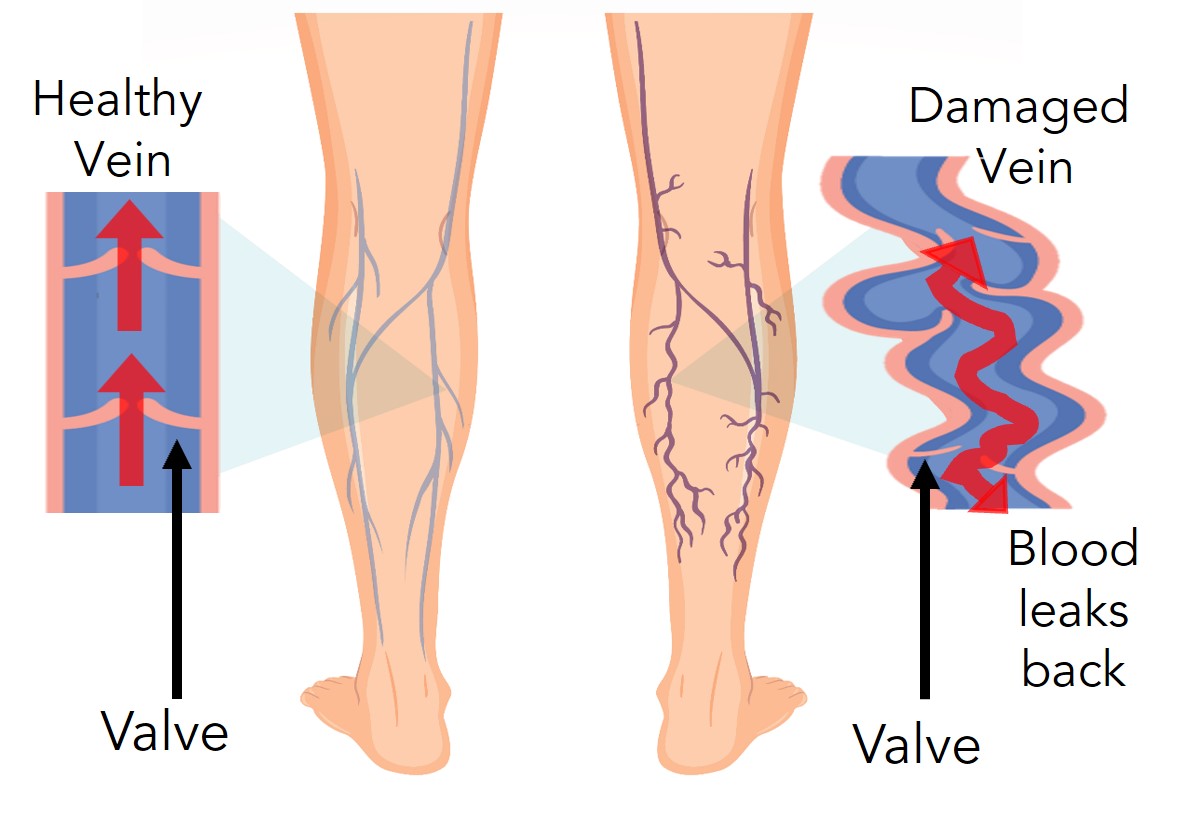
Chronic Venous Insufficiency (CVI) is a condition that affects the veins in the legs. It occurs when the veins in the legs become damaged and cannot transport blood efficiently back to the heart. It most commonly occurs when the valves in the leg veins do not work well. Valves normally prevent blood from flowing backwards.
Over time, blood accumulates in the leg veins, resulting in several complications if left untreated.
Causes
Risk Factors
- Having a family history of the condition
- Previous damage to the leg veins due to blood clots, injury or surgery
- Increase in weight such as pregnancy, obesity
- Sitting or standing for prolonged periods without exercise
Symptoms of CVI may include:
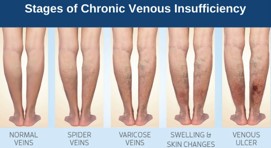
- Swelling of the legs and ankles
- Heaviness in the legs
- Leg cramps
- Skin changes, including: Darkening of the skin, Inflammation and itching of the skin, Frequent soft tissue infections
- Dilated leg veins – spider veins, varicose veins
Complications
- Recurrent soft tissue infection
- Recurrent skin ulcers
- Rarer complications include: bleeding from a ruptured vein close to the surface of the skin, formation of blood clots within the veins deeper in the legs which will need immediate medical attention.
Detection & Treatment
CVI is diagnosed by history and physical examination. A venous duplex ultrasound may also be performed to confirm the diagnosis.
Treatment is aimed at improving blood flow in the veins.
In mild cases, this may include simple measures such as:
- Keeping the legs elevated when sitting or lying down
- Getting more exercise – foot and ankle exercises, walking
- Avoiding long periods of sitting or standing in one position
- Reducing excess weight
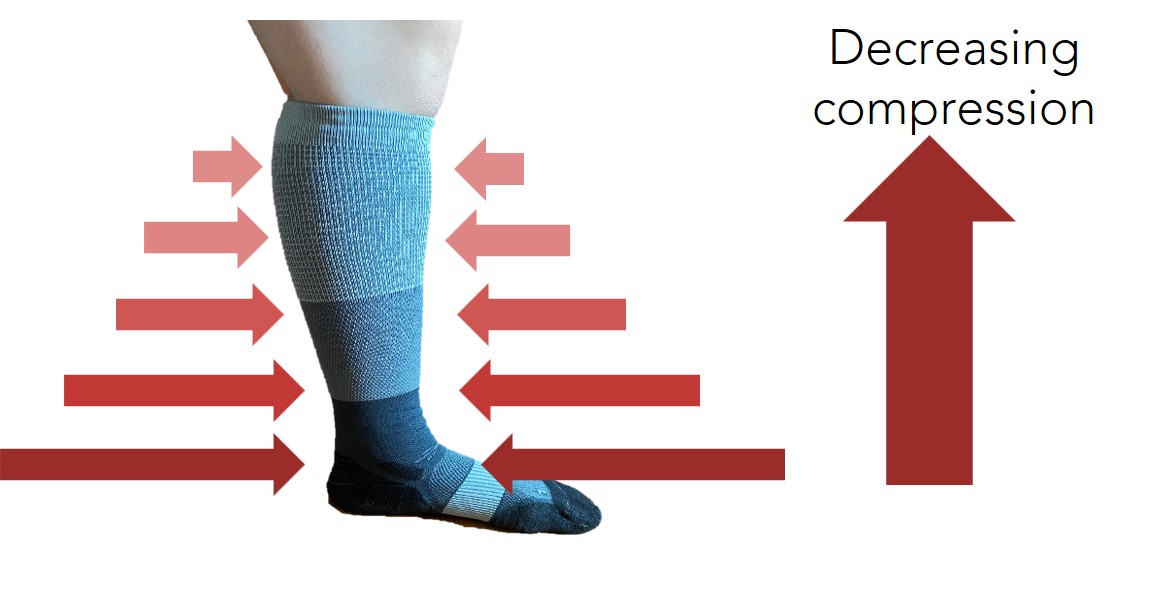
Graduated compression stockings may also be prescribed by your doctor.
Compression stockings compress the legs (with greatest amount of pressure at the ankles) and help to improve blood flow in the leg veins.
If required, your doctor may prescribe medication to improve the symptoms.
Care Management
Skin care is an important aspect in managing CVI. Individuals with CVI are prone to skin irritation/inflammation and soft tissue infections.
Skin care includes:
- Using a gentle cleanser to keep the skin clean
- Using fragrance-free moisturisers to keep the skin well moisturised
- Avoiding injury to the skin
If you have stasis dermatitis (skin irritation caused by CVI), doctors may also prescribe a steroid cream to help with itching and inflammation.
Some patients may require a course of antibiotics for soft tissue infection.
If these measures do not adequately relieve your symptoms, you may be referred to the Vascular Surgeon for further management. Treatment may include minimally invasive procedures to close off the damaged veins.
Specialties & Services

