Overview
- It is also called Varicella infection.
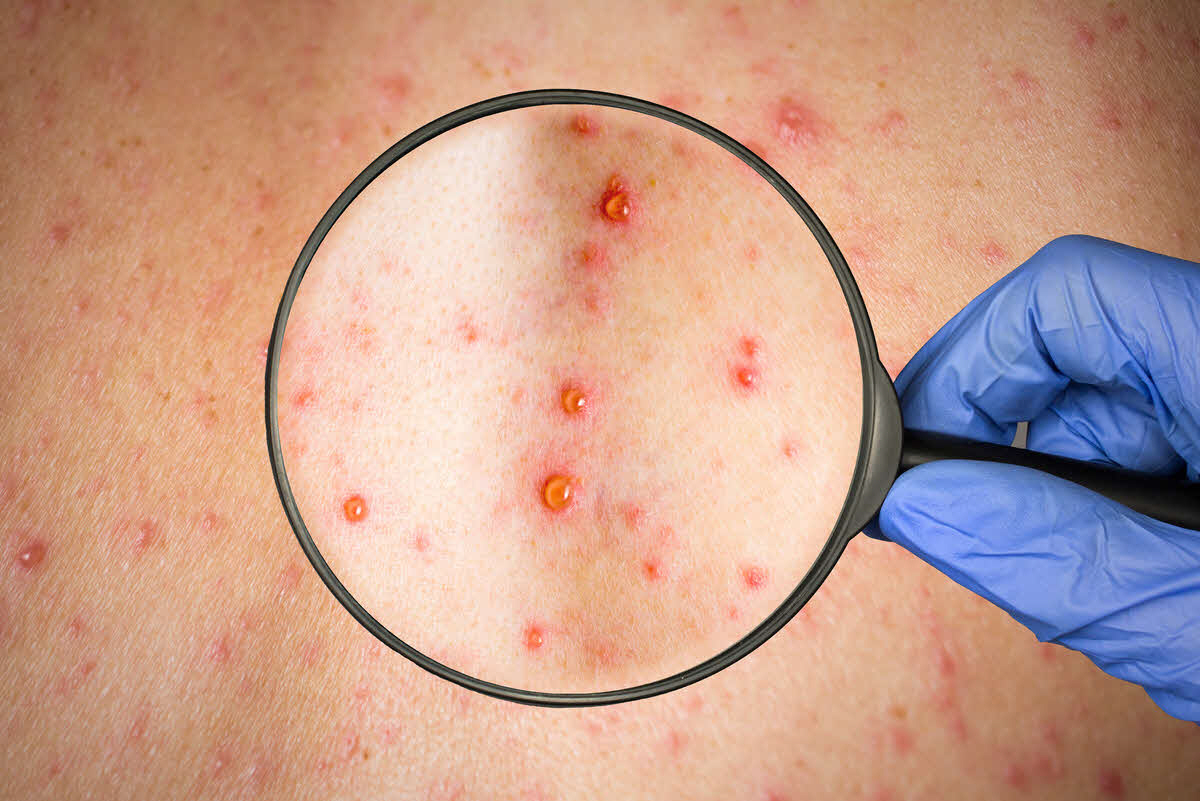
- It is a viral infection that causes an itchy, blister-like rash.
- A highly contagious disease caused by the Varicella Zoster Virus (VZV). VZV can lead to shingles.
Causes
Chickenpox is highly contagious. It spreads from person to person through direct contact or by droplets from an infected person.
Chickenpox can also be acquired from person suffering from shingles such as having contact with the virus particles that come from the blisters.
A person with chickenpox can pass the disease from one to two days before they get the rash until all their chickenpox blisters have formed scabs.
People who may have more severe symptoms and may be at high risk for complications includes:

- Pregnant women
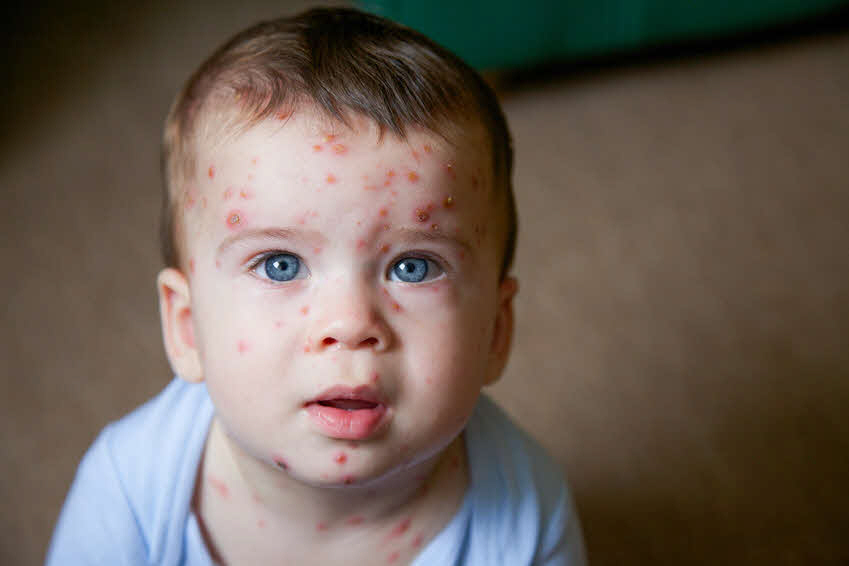
- Infants
- Elderly and Adults

- People with weakened immune systems e.g. HIV, cancer, transplant, steroids, immunosuppressive therapy, chemotherapy.
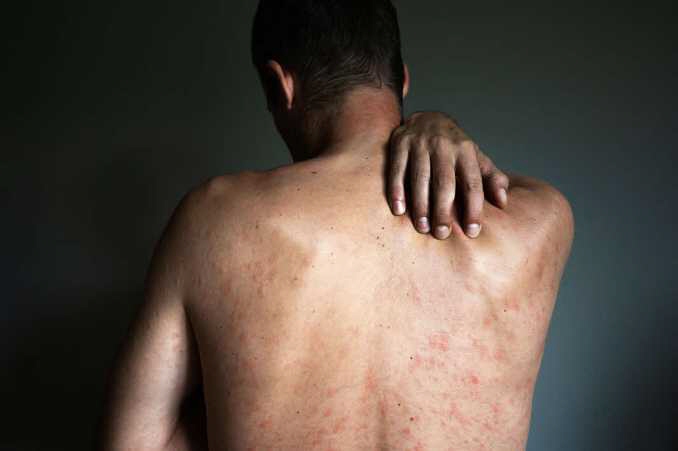
- An itchy rash of blisters
- Fever
- Headache
- Feeling tired
Prevention
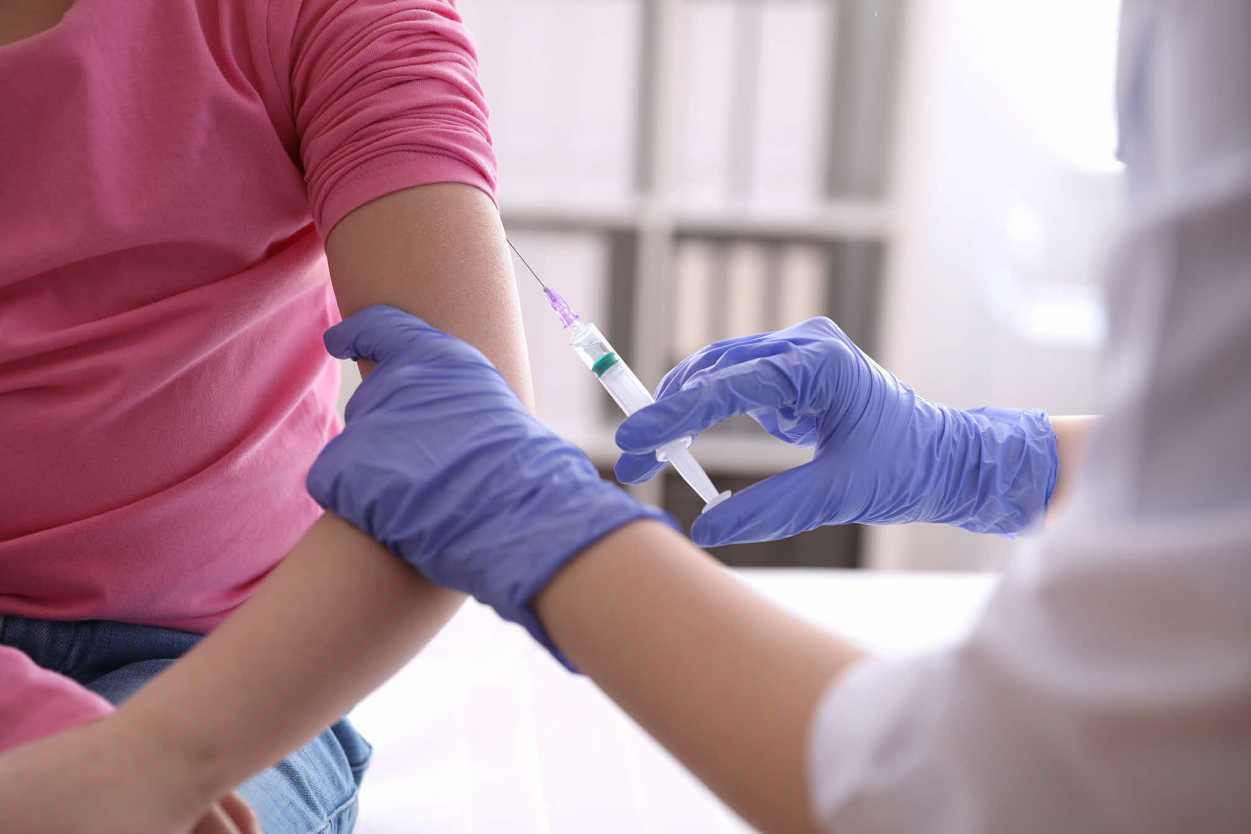
Chickenpox is preventable with a safe and effective vaccine. While some vaccinated individuals may still get a milder form of the disease, the vaccine is highly effective in preventing severe cases.
In healthcare settings, patients suspected or confirmed with chickenpox are isolated in special rooms with restricted visitation to prevent transmission.
Detection & Treatment
How will I be cared for in the hospital if I have chickenpox?

You may be transferred to an isolation room within hospital to protect other patients. Your physician will assess your condition to determine when you can be out of the isolation room.
Care Management
What do my family and I need to take note when I am discharged home with chickenpox?
Before all your blisters are fully dried:
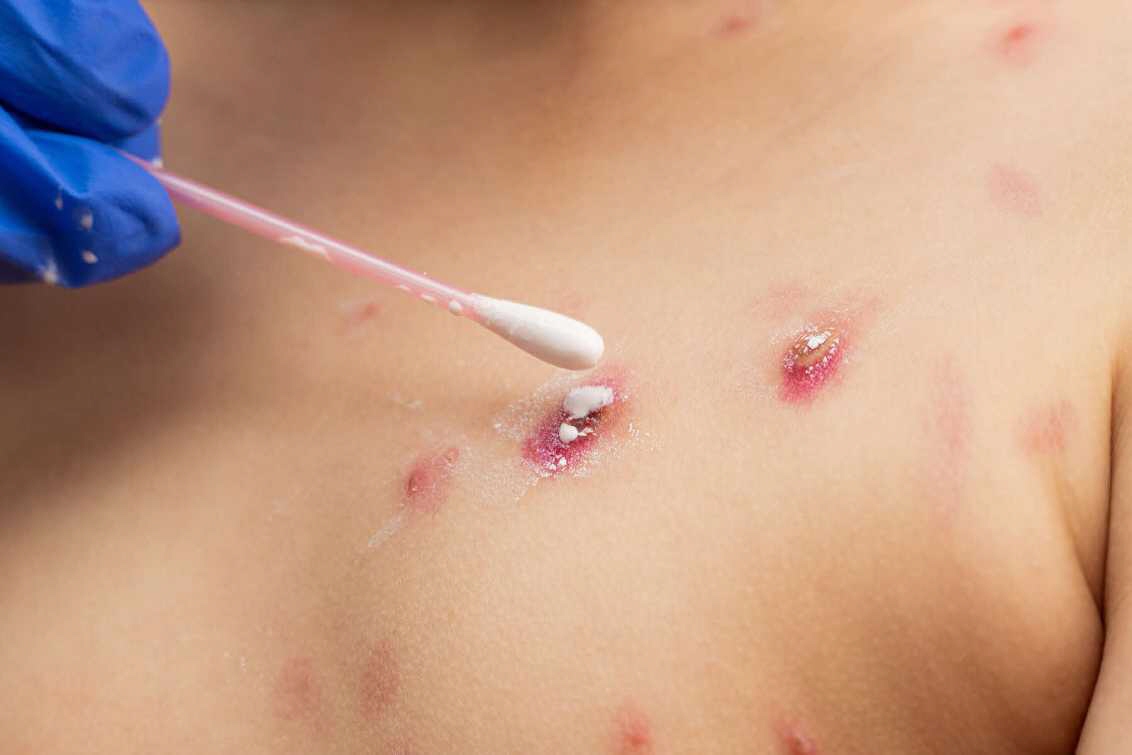
- Stay at home to avoid going out as it may spread the infection to others.
- Stay in a separate room and avoid contact with others especially elderly and children.
- Practice good personal hygiene and do not share towels with others.
- Avoid scratching as it may affect the healing process and cause scarring.
- Take cool baths to relieve itch.
- Apply prescribed medications such as lotion, creams as ordered.
Once blisters are fully dried, there is no special precautions required beside continuing good personal hygiene.
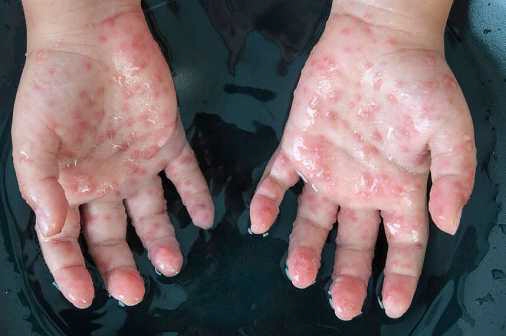
You may wish to proceed to your own attending hospitals, nearest Polyclinic or family doctor for medical attention and advice if you experience any of the following:
- Rashes appearing around eyes.
- Observed that rashes become warm or tender on skin.
- Dizziness, disorientation, rapid heartbeat, shortness of breath, tremors, loss of muscle coordination, worsening cough, vomiting, stiff neck, or high fever.
- Dehydration due to frequent vomiting or refusal to drink.
Specialties & Services

