Overview
What is Bullous Pemphigoid?
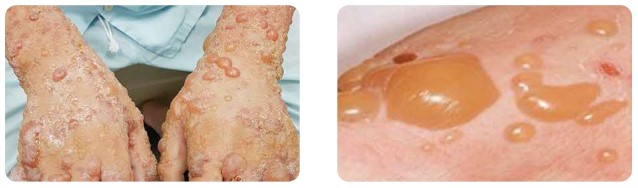
Bullous Pemphigoid (BP) is a skin disorder that causes blisters. It usually occurs in elderly people aged over 60. This condition is not contagious.
Causes
Why does Bullous Pemphigoid happen?
In people with BP, the immune system produces autoantibodies, which attack structures in the skin that holds the outer layer (epidermis) to the deeper layer (dermis) of the skin.
This causes the layers to split and blisters to form. Blisters can happen on any part of the skin, and sometimes affect the mucosal surfaces, such as the mouth or genitalia. BP is not infectious (or contagious). It can affect men and women of all racial groups.
What causes Bullous Pemphigoid?
The blisters occur when your body produces antibodies that attach the tissue just below your outermost layer of skin. This causes the layers of your skin to separate and results in itchy and sometimes painful blisters.
The antibodies are produced as a result of a dysregulated immune system which may be related to aging, existing neurological diseases or medication use. Medications which have been associated with onset of BP include furosemide (a diuretic), gliptins (a group of drugs used in the treatment of diabetes), and cancer immunotherapy drugs.
It is important that you inform your doctor if you have been or are on any of these medications prior to the development of BP, to allow discussion on whether to stop or continue the drug.
How does Bullous Pemphigoid present?
BP may present with an initial rash which can be like:
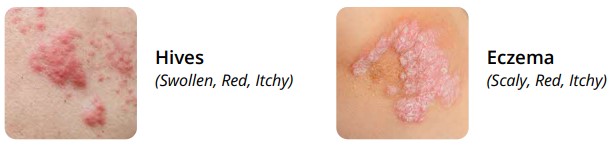
When blisters occur, they usually appear on these hive or eczema-like rashes. Blisters can occur anywhere on the body. The blisters are large and tense, containing clear or blood tinged fluid. They vary in size and may persist for several days before bursting to leave raw eroded areas.

What are the common Signs and Symptoms?
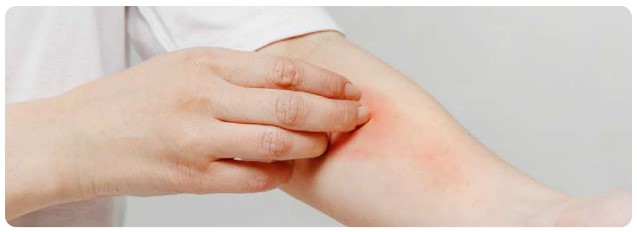
- Red and itchy rash
- Blisters are large and filled with clear or blood-stained fluid
- Skin of blisters may be thick and do not break easily when touched
- Ruptured blisters are usually painful
- Skin around the blisters may look normal or slightly red
What are some possible complications?:
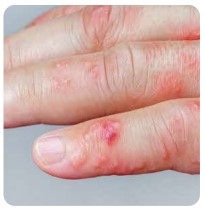
- Disturbances of sleep and quality of life due to itch or pain in the skin.
- Skin infection can occur if ruptured blisters become infected.
- If the bacteria on the skin gets into the blood stream from the skin, you may get serious, life-threatening blood infection.
Detection & Treatment
How is Bullous Pemphigoid diagnosed?
The diagnosis of BP is made based on the typical presentation of tense blistering rashes, together with the following:

- Skin biopsy of a blister for histology (microscope examination).
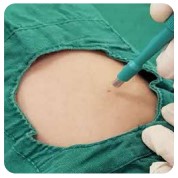
- Biopsy of adjacent normal-looking skin or early lesions for immunofluorescence to check for presence of antibodies in the skin. A small sample (biopsy) of your skin may be taken and tested in a laboratory.
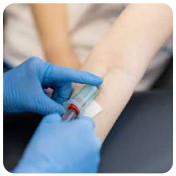
- Special blood tests to look for skin antibodies circulating in the blood.
Can Bullous Pemphigoid be treated?
BP can be controlled with medications and may become inactive after a few years.
Treatment is important to prevent complications such as itch, sleep disturbances, skin or blood infections. Medications are needed to relieve itch, stop new blisters from occurring and promote healing of blisters. Lowest possible doses of medications will be used to achieve these.

How do I treat Bullous Pemphigoid?
It cannot be cured, but treatments are usually successful to relieve the symptoms. Symptoms may recur.
Your doctor may prescribe medications such as:
- Topical Corticosteroids (either full body application or localised application)
- Oral Corticosteroids
- Immunosuppressants
- Antibiotics
- Antihistamines
Medications and Side Effects:
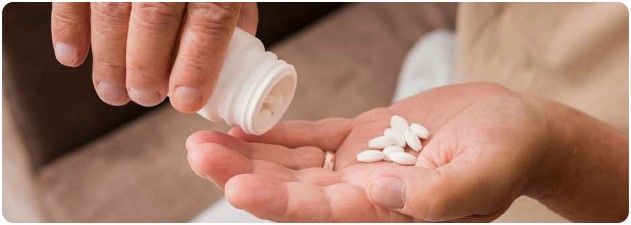
The following are medications which are commonly used in the treatment this blistering disease:
PREDNISOLONE:
Prednisolone is a steroid tablet that affects the immune system. It works fast and is used to get the disease under control quickly. It is usually prescribed as a single morning dose to be taken after food.
Other dosing regime may be given by your doctors according to your needs.
Common non serious side effects of this drug include:
- Weight gain
- Facial puffiness
- Water retention
- Episodic blurring of vision
More serious side effects include:
- Hypertension
- Diabetes mellitus
- Osteoporosis
- Increased susceptibility to infections
- Glaucoma
- Cataracts
- Depression
- Peptic ulcer disease
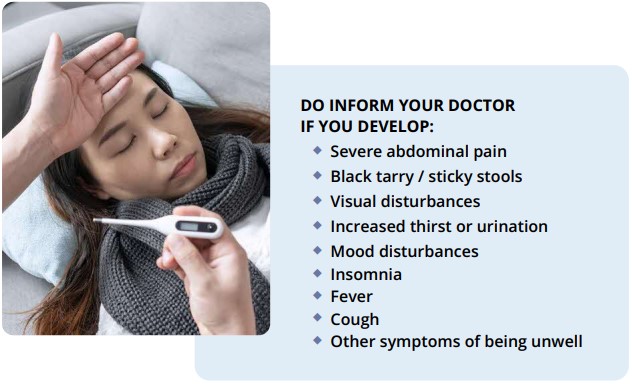
While on this medication, your doctor will monitor your blood pressure, blood sugar or urine regularly. Bone mineral density scans may also be ordered for you on an annual basis.
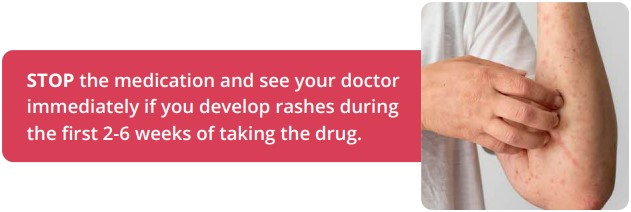
DAPSONE:
Dapsone is actually an antibiotic. Its ability to modulate the immune system makes it useful in the treatment of BP. Its use can reduce the steroid requirement to control the disease activity of BP (i.e provide a "steroid-sparing" effect).
AZATHIOPRINE:
Azathioprine is also not a steroid tablet. It is an immunosuppressant, given together with steroids, to provide better control of the disease activity of BP and reduce the steroid dose (provide a "steroid-sparing" effect). Frequent blood tests will be required during the first few weeks of therapy.
Side effects of azathioprine include:
- Include increased susceptibility to infections
- Suppression of the bone marrow
- Liver toxicity
- Sterility

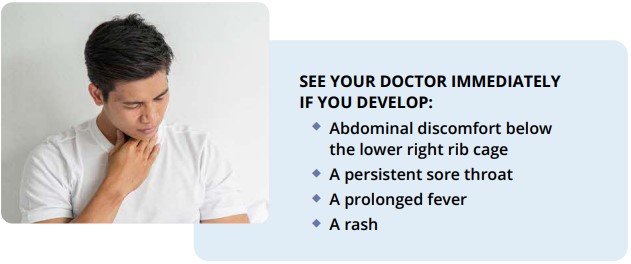
DOXYCYCLINE WITH OR WITHOUT NICOTINAMIDE:
This combination may be given for milder cases of BP. Common non-serious side effects of these drugs include:
<img alt="" _languageinserted="true" src="-/media/a064484c53564de19dab7c33e7dce
Care Management
How do I care for existing blisters?:
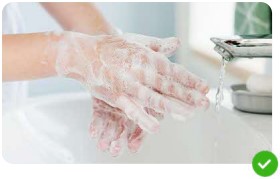
Wash your skin with prescribed solution or soap.
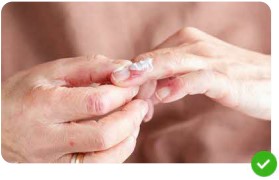
Apply thin layer of prescribed creams or ointments such as corticosteroids or antibiotics.

Apply moisturizers to dry skin regularly.
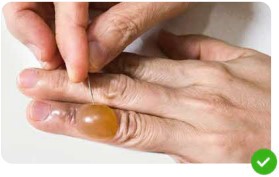
Prick blisters but keep the roof of the blister intact.
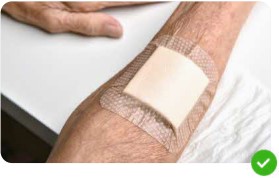
If the blister breaks, cover it with sterile non-adherent dressing.

AVOID eating foods that may trigger or worsen ulcers in the mouth.

It is recommended to have a high protein diet to replace loss of protein.

Attend your follow-up appointment. This is to ensure that your treatment and prescribed drugs are effective.
Monitoring Blisters Using the Blisters Chart:

- De-blistering of blisters, keep the skin intact
- Daily record of the new blisters present
- Monitoring blisters through the blister chart assesses effectiveness of therapy and progress of skin condition
Specialties & Services

