Overview
What is Anxiety?
Anxiety is an emotional state of nervousness, apprehension, fear or worry. It is a common and appropriate response to threatening situations. However, anxiety becomes a problem for children or adolescents when it is persistent, happens frequently, feels intense and interferes with their enjoyment of life or participation in everyday activities, e.g. going to school, talking to classmates or getting homework done.
Causes
Many factors, biological and psychological, as well as social and environmental, can contribute to anxiety which includes:
- A family history of anxiety, which increases the likelihood of a child or adolescent having symptoms of anxiety.
- Chemical imbalances in the brain.
- The temperament of the child or adolescent.
- Unhelpful thinking patterns, such as black-or-white thinking (thinking in absolutes or over-generalisations rather than obtaining a more realistic view of the situation) and thinking in worst-case scenario terms.
- Lack of coping skills, leading to avoidance of anxiety-provoking situations and consequently an increasing level of anxiety over time.
- Stressful life experiences, e.g. bullying, witnessing or experiencing a tragic event or being attacked.
- Living with family members who are anxious or who are critical of and have high expectations of the child or adolescent.
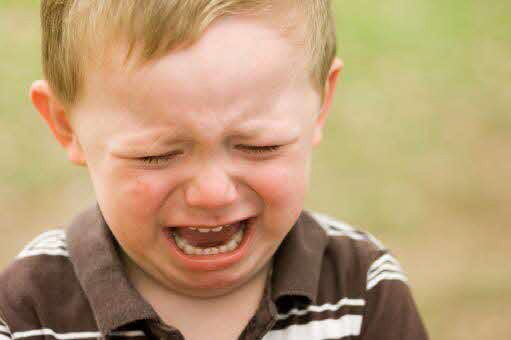
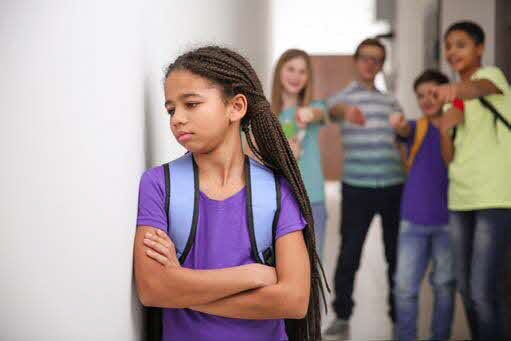

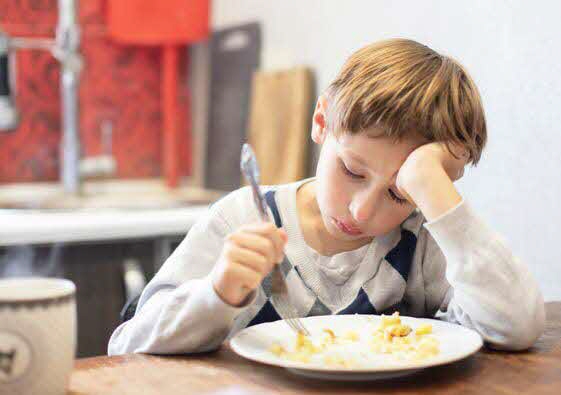
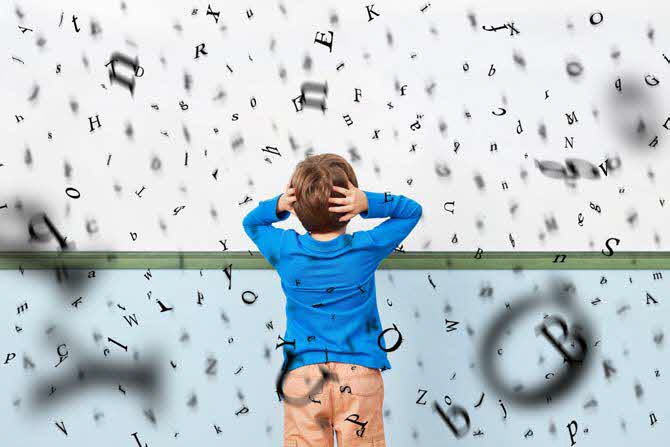
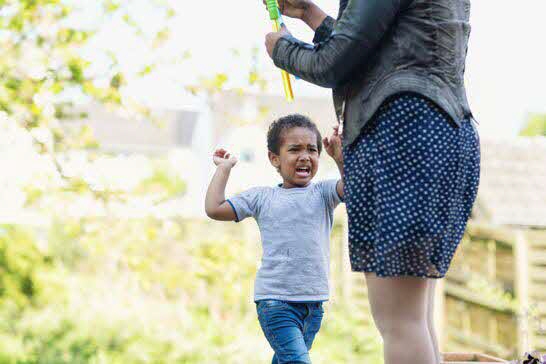
An anxiety response in children or adolescents can present in the following ways:
Detection & Treatment
Short and transient episodes of anxiety (where anxiety goes away on its own) may be managed without having to see a doctor. Such instances include anxiety over an important examination, going to the dentist or doing a show-and-tell in class.
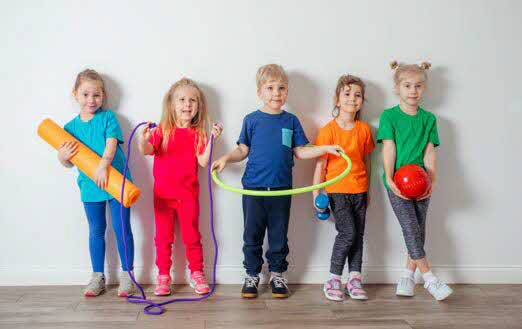
In these cases, the following coping strategies may be effective:
- Sharing one's feelings with a supportive person.
- Performing relaxation techniques such as deep breathing, meditation or distracting oneself with favourite activities.
- Doing physical exercises.
- Picturing oneself successfully facing and conquering that particular fear.
- Positive self-talk e.g. "I can do this", "Things won't be as bad as I predict".


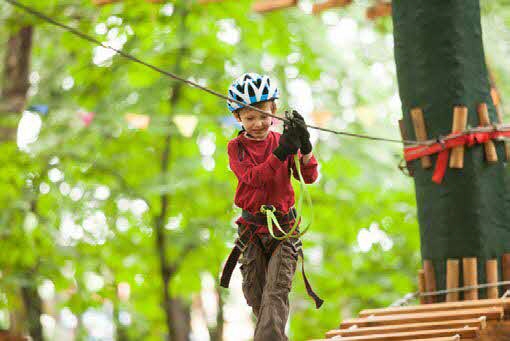
Treatment of children or adolescents with more severe anxiety involves a combination of methods and ways:
-
Psychological Therapy
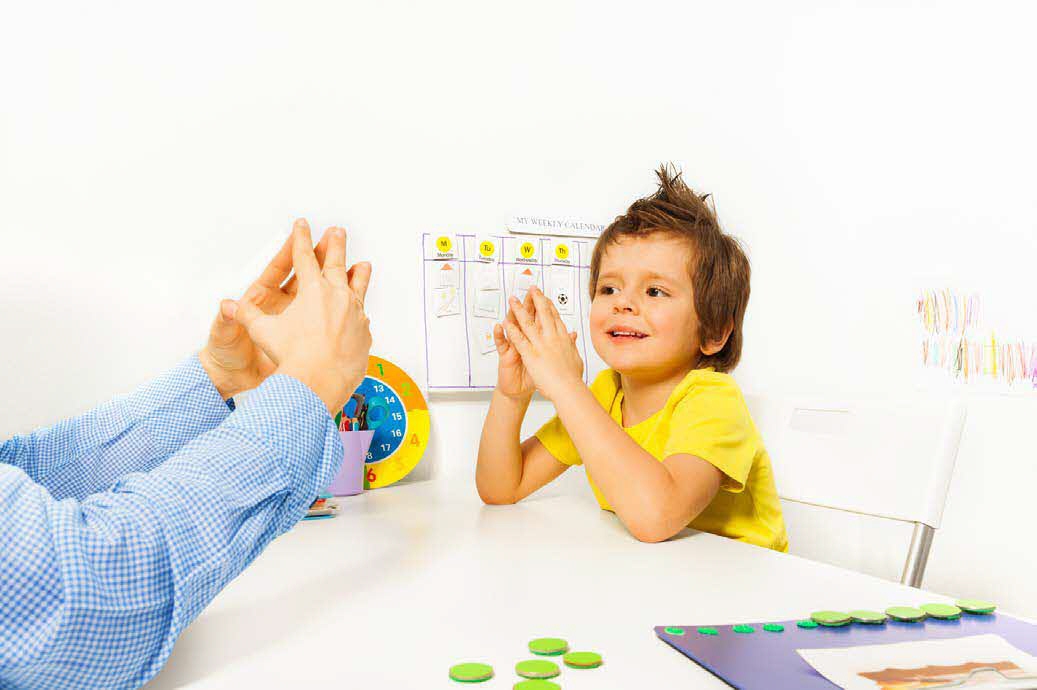
Individual or group therapy can be used to treat anxiety. At times, family members are also invited to be present during therapy. Therapy helps provide new insight into the triggers and management of anxiety. One common psychotherapy approach encourages alternative, balanced ways of thinking and behaving and focuses on the here and now. Your child may also be guided to face his or her fears gradually in a safe environment.
-
Medications
Depending on the severity of the condition, medication may be prescribed to help reduce symptoms of anxiety. Talk to your child's doctor if you have any queries or concerns about medication.
Care Management
Family And School Support
- Family members, classmates and teachers can actively support the child or adolescent as he learns and practises anxiety-coping methods. It may also be helpful for parents or other family members to receive therapy to address parental or family issues that may affect the child's ability to cope with anxiety.
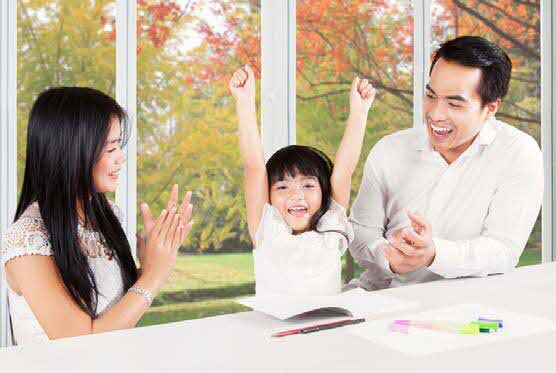
- You can also help your child by being patient, understanding and supportive. Be encouraging and empathise with his or her challenges. Celebrate all small successes and be positive.
- If your child has not yet seen a doctor and you suspect that he is showing signs of anxiety, you may raise your concerns with your child's school counselors.
- School counselors are connected to our community mental health service, REACH (Response, Early intervention, Assessment in Community mental Health), which can provide further advice and assistance.
- If your child is seeking help at our clinic, please raise your concerns with your child's doctor, nurse, or allied health professional.

Specialties & Services

