Overview
What is Adjustment Disorder?
Most people struggle to cope with stress and change at times, but an Adjustment Disorder refers to significant distress that persists for more than a few months after the stressful event. This reaction to stress can interfere with everyday tasks such as studying, working, and with enjoyment of life in general.
Causes
Common sources of stress:
Sometimes acute and unexpected stress can overwhelm a person to a point of severe emotional and mental distress, resulting in an adjustment disorder that can disrupt various aspects of daily living.
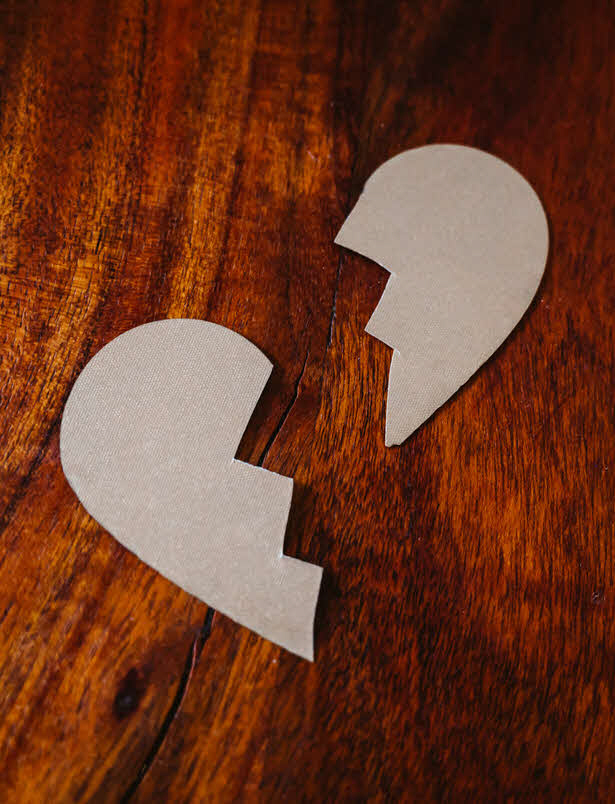
These stressors can range from trauma to loss of relationships and other life changes.


Adjustment disorders may take up to 3 months to show up after a stressful event or life change. However, the timeframe can vary and symptoms might appear immediately or take longer to manifest.
The affected person may display the following signs:
- Excessive worry, sadness or hopelessness, increased irritability.
- Avoidance of certain situations.
- Headaches, stomachache, or other stress - related physical complains.
- Difficulty falling asleep, staying asleep or experiencing restless sleep.
- Trouble focusing on tasks or making decisions.
- Changes in academic or work performance.
- Violent behaviour.
- Dangerous driving.
- Alcohol abuse.
- Withdrawing from friends and family.
- Suicidal thoughts and behaviours.



The symptoms can vary considerably, usually appearing as depressive or anxiety symptoms, and sometimes even both. These signs may persist for more than six months if there is a chronic stressor or long-lasting consequences.
It is essential to seek professional help if you notice persistent or behavioral difficulties after a significant life stressor.
To note: Changes in behaviour are most common in children and the elderly, but this can happen in any age group.
Detection & Treatment
There are two main types of treatment for adjustment disorders: psychotherapy and medication. Most people improve after treatment and only need it for a short while.
Psychotherapy
Can provide emotional support and can also help people learn why the event affected them so much. As they process how the event resulted in their reaction, they also learn useful coping skills that will help them in the future.

Other equally effective modes of therapy include crisis intervention, family and group therapies, cognitive behavioural therapy, and interpersonal psychotherapy.
Medications
In some cases, medication may help a person manage their symptoms of depression and anxiety, as well as suicidal thoughts. Antidepressants and short-term sedatives are most often used to treat adjustment disorders. As with therapy, the person may only need medication for a few months.

Care Management
Adjusment Disorder happens when a stressor overwhelms a person's ability to cope. As people receive the right support and learn effective skills, recovery is possible.
Specialties & Services

