
What is Pleural Effusion?
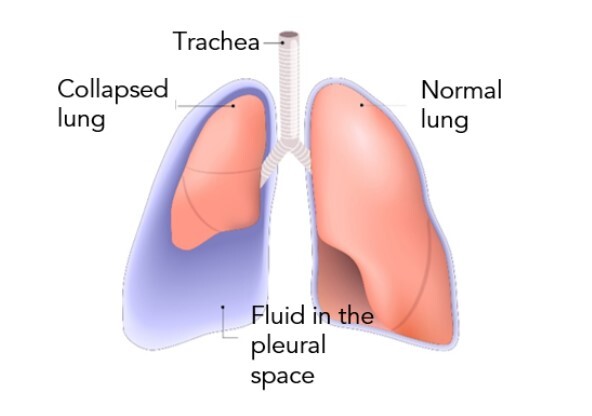
Pleural effusion refers to the abnormal accumulation of fluid in the pleural space (the space between the lung and the chest wall).
There is usually very little fluid in the pleural space, but fluid may accumulate in this space due to certain diseases. This will cause the lung to collapse and affect breathing.
Additional Resources
What Tests Can Help Diagnose Pleural Effusion?
- Ultrasound
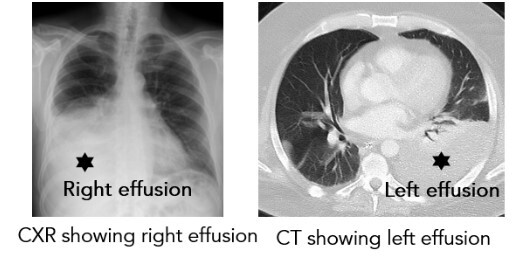
- Chest X-ray (CXR)
- Computed Tomography (CT) scan – chest
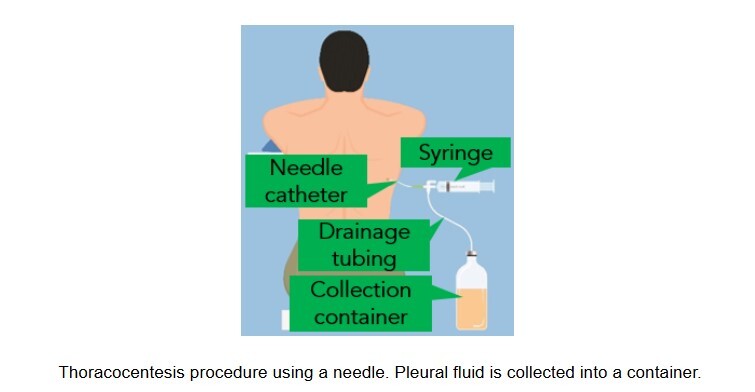
Thoracocentesis
This a procedure where a small needle is inserted through the skin into the pleural space to extract the fluid for further testing. This is done under local anaesthesia as a day procedure and does not usually require hospitalisation.
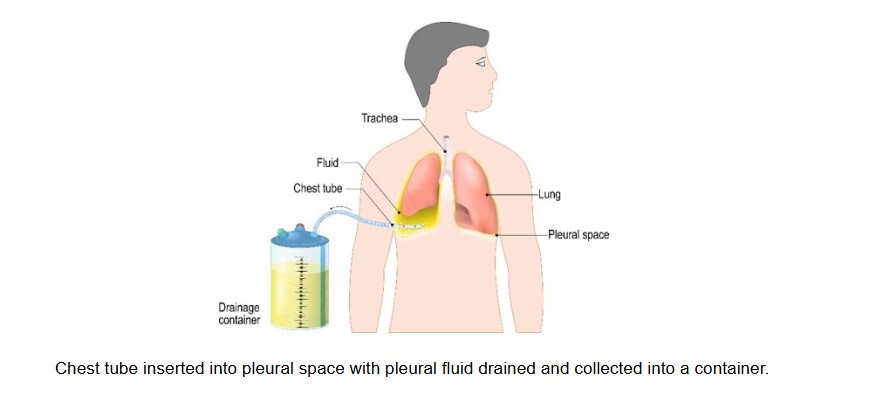
If you are showing any symptoms or feeling unwell, a chest tube may be inserted to obtain samples and drain fluid from the pleural space at a controlled rate. This procedure will require hospitalisation.
How is Pleural Effusion Treated?
- Treatment of pleural effusions would depend on the severity and underlying cause of the disease
- If you feel unwell or experience difficulty breathing due to the pleural effusion, your doctor may advise hospitalisation for further treatment.
- If there is an infection, you may require hospitalisation for antibiotic therapy and pleural fluid drainage.
- If the cause of the effusion is due to heart failure and/or kidney failure, treatment may be focused on removing excess fluid from the body, along with further treatment advice from the heart and/or kidney specialists.

