
What is Peptic Ulcer Disease (PUD)?
Peptic Ulcer Disease (PUD) is a condition where an ulcer is created because of a break in the inside lining of your stomach or upper portion of your small intestine (duodenum).
Peptic ulcers that occur on the inside of your stomach are called gastric ulcers. If they occur on the inside of your duodenum, upper portion of your small intestine, they are called duodenal ulcers.
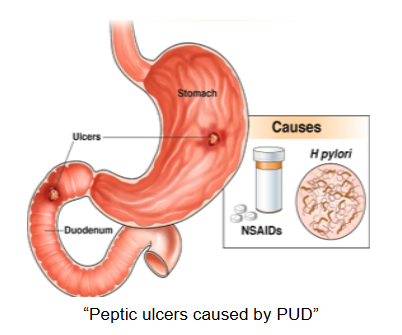
Additional Resources
How Is PUD Diagnosed?
Some of the peptic ulcer symptoms may also be caused by other digestion-related conditions. Do see your doctor for advice.
You may be required to undergo some tests for confirmation, such as:
- Gastroscopy – an endoscope (thin flexible tube with lens) is inserted through your mouth to look for ulcers in your throat, food pipe and stomach.
- Barium Swallow – drinking a thick liquid containing barium (white powder) to make an ulcer more visible through X-ray images.
These test are generally safe and serious complications are rare.
What Are the Treatment Options?
Depending on the cause of the ulcers, treatments could be:
- Antibiotic medications - kill H. pylori
- Medications - block acid production and promote healing, such as omeprazole and famotidine
What Else Do I Need to Know?
- Abdominal Pain
Duodenal ulcers may cause abdominal pain several hours after eating (often during the night). This is because there is no food in the digestive tract for the stomach acid to work on.
Eating a meal, drinking milk or taking an antacid may help to relieve your symptoms.
- Alternative Medications to NSAIDs
If you are on NSAIDS, your doctor may recommend alternative medications.
- Urea Breath Test
If your ulcer was due to H. pylori, your doctor may do a urea breath test. This is to confirm that the infection is gone after a course of antibiotic medication.

